
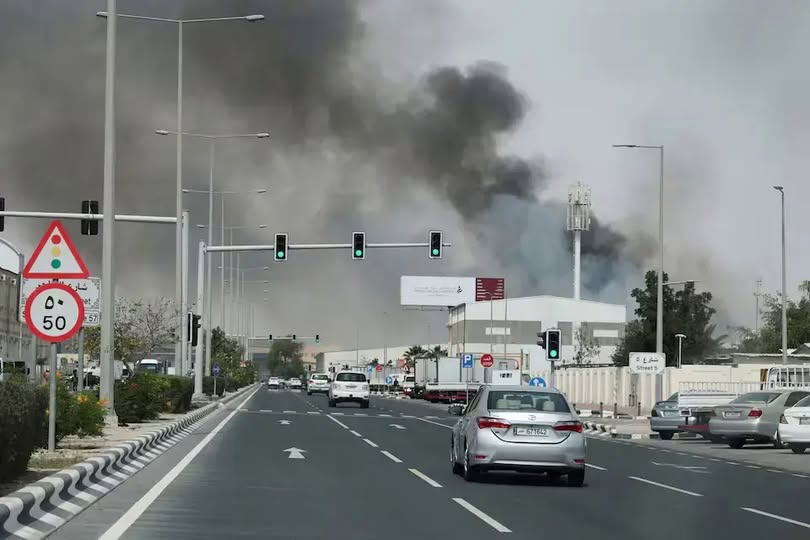
Recent reports circulating in international media have drawn attention to statements from Iranian officials describing missile launches linked to a broader military operation. According to announcements carried by Iranian state television, officials from Iran’s Islamic Revolutionary Guard Corps (IRGC) stated that more than 40 missiles were launched as part of what they called the seventeenth phase of an ongoing campaign referred to as “Operation Honest Promise 4.”
At the time of the announcement, however, specific operational details—such as the exact locations involved, the type of missile systems used, or confirmed outcomes—had not been independently verified by international monitoring organizations or official government briefings from other countries. Because of this, analysts emphasize that early claims should be evaluated carefully until additional confirmed information becomes available.
This article provides a verified and balanced overview of the situation, the organizations involved, and the broader regional context, based on information commonly referenced by defense analysts, international institutions, and publicly available sources.
Overview of the Reported Announcement
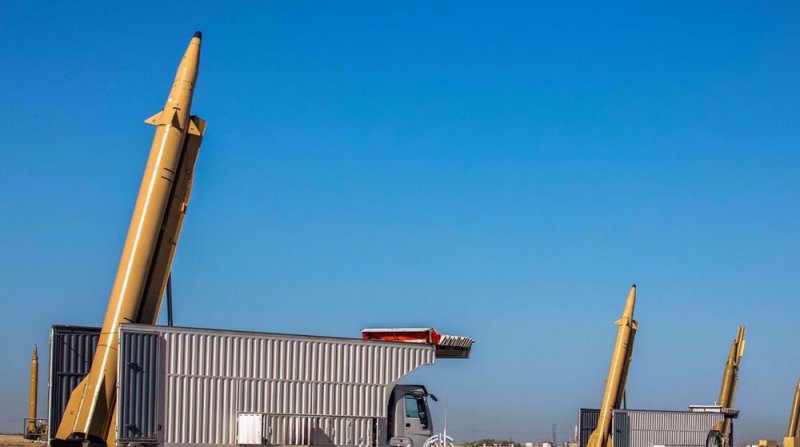
Iranian state media reported that missile launches were conducted by the aerospace division of the Islamic Revolutionary Guard Corps (IRGC). According to the broadcast statement, the launches were described as part of a larger military campaign that Iranian officials referred to as “Operation Honest Promise 4.”
The announcement indicated that the activity represented the seventeenth phase of the campaign. However, at the time of the report, authorities had not released a detailed timeline explaining when previous phases occurred or what specific objectives were associated with each stage.
Additionally, officials did not publicly disclose:
-
The exact locations where missiles were reportedly directed
-
The technical specifications of the missile systems involved
-
Whether any infrastructure or military facilities were affected
Because of these gaps in information, analysts and international observers have stressed the importance of awaiting independent confirmation before drawing conclusions about the scale or impact of the reported events.
The Islamic Revolutionary Guard Corps and Its Role
The Islamic Revolutionary Guard Corps is one of Iran’s main military institutions. Established after the 1979 Iranian Revolution, the organization operates alongside the country’s conventional armed forces.
According to publicly available information from defense research institutions and international security reports, the IRGC has several responsibilities within Iran’s national defense structure. These include:
-
Supporting national security and defense operations
-
Managing certain strategic military capabilities
-
Overseeing specialized units such as the Aerospace Force
-
Conducting training and operational planning
Within the IRGC, the Aerospace Force is responsible for missile systems, air defense technology, and certain drone capabilities. Analysts often identify this division as a central component of Iran’s deterrence strategy.
Missile Technology and Strategic Defense

Missile technology plays an important role in the defense strategies of many countries around the world. Governments develop missile programs for a range of purposes, including national defense, deterrence, and strategic signaling.
In the Middle East, several countries operate missile systems as part of their broader military capabilities. These programs often include:
-
Short-range and medium-range missile systems
-
Air defense and missile interception technologies
-
Surveillance and early-warning radar networks
Because missile capabilities can influence regional security dynamics, developments involving such systems often attract international attention from governments and research institutions.
Strategic Importance of the Middle East
The Middle East remains one of the most strategically significant regions in global geopolitics. It includes major energy resources, important shipping routes, and several international military partnerships.
Countries across the region maintain defense relationships and security agreements with global powers. As a result, developments involving military technology or strategic capabilities can have implications beyond national borders.
Key factors that contribute to the region’s strategic importance include:
-
Major energy production and export routes
-
Global shipping corridors such as the Persian Gulf and nearby waterways
-
Long-standing diplomatic and security alliances
-
Complex political relationships among neighboring states
Because of these factors, governments and international organizations often monitor security developments in the region closely.
U.S. and Israeli Security Interests in the Region

Both the United States and Israel maintain significant security interests across the Middle East.
The United States operates military facilities and maintains defense partnerships with several countries in the region. These partnerships focus on regional stability, counterterrorism efforts, and protection of international trade routes.
Israel also maintains advanced defense systems and strategic partnerships designed to address potential security challenges. According to publicly available defense information, the country has developed layered air-defense systems capable of detecting and responding to potential aerial threats.
Because of these security interests, reports involving missile activity connected to the region are closely monitored by policymakers and defense analysts.
Missile Defense Systems and Preparedness
Countries that face potential aerial threats often develop missile defense systems designed to detect and intercept incoming projectiles.
These systems generally combine several components:
Early Detection Technology
Radar networks and satellite systems monitor airspace and track potential threats in real time.
Interception Systems
Defense systems are designed to intercept incoming objects before they reach their intended destination. These technologies rely on advanced tracking and targeting mechanisms.
Command and Control Networks
Modern defense operations rely on integrated communication systems that allow military personnel to coordinate responses quickly and efficiently.
Although reports of missile activity can raise concerns, the presence of these defense systems reflects ongoing efforts by governments to enhance preparedness and protect critical infrastructure.
Importance of Independent Verification
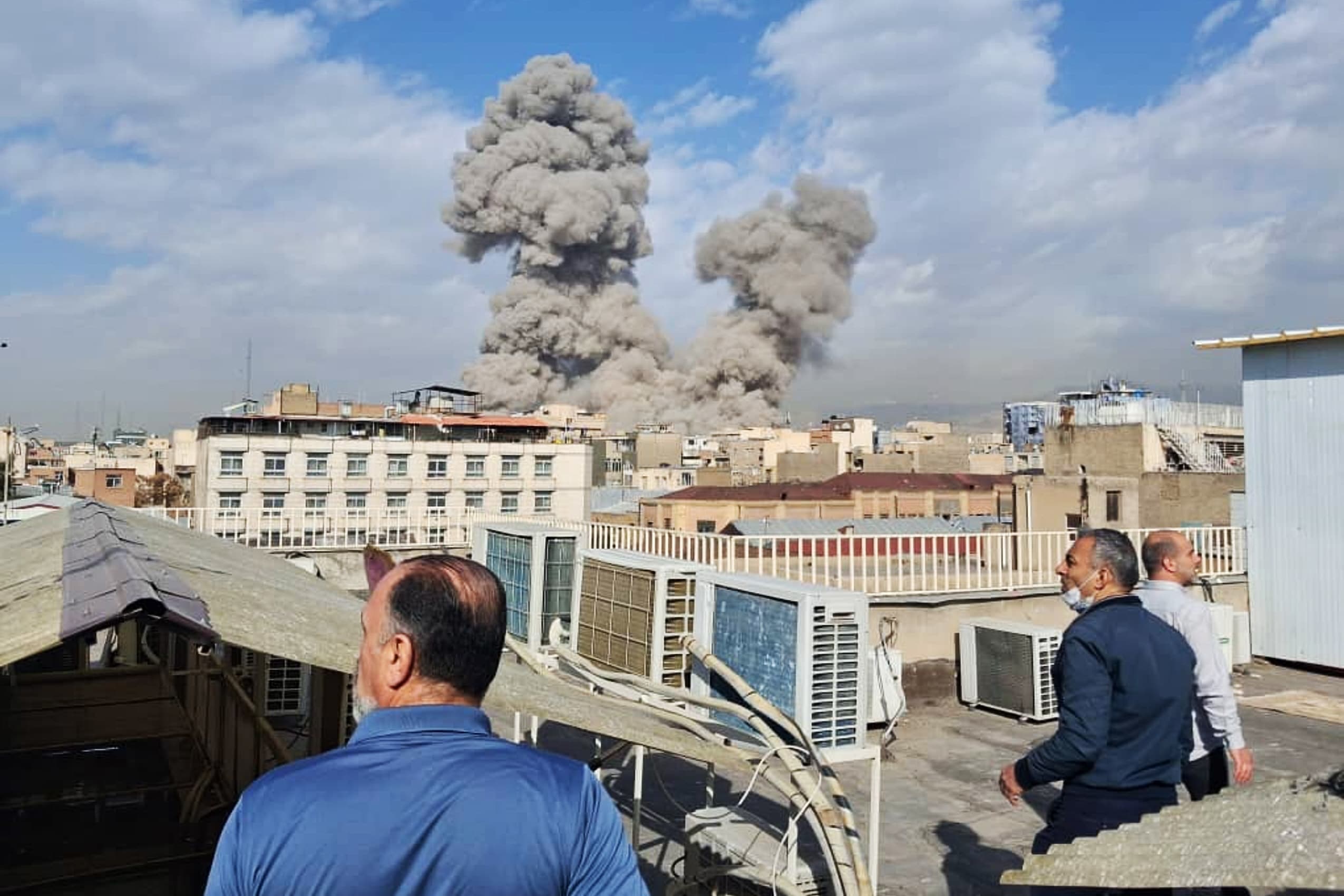
During periods of geopolitical tension, early reports about military developments may contain incomplete or unverified information.
Independent verification is typically provided through several channels, including:
-
Official government statements
-
Satellite imagery and monitoring organizations
-
International defense analysts
-
Reports from established global news agencies
Analysts often recommend caution when interpreting initial claims until multiple reliable sources confirm the details.
This approach helps ensure that discussions about security developments are based on verified facts rather than speculation.
International Monitoring and Diplomatic Engagement
Developments involving military activity in the Middle East are frequently monitored by international organizations and diplomatic institutions.
Organizations such as the United Nations and various regional security forums encourage dialogue and diplomatic engagement when tensions rise. These institutions often emphasize the importance of communication between governments to prevent misunderstandings and reduce the risk of escalation.
Diplomatic efforts may involve:
-
International consultations
-
Security briefings among allied countries
-
Monitoring by international observers
-
Calls for restraint and peaceful dialogue
Such mechanisms are designed to support stability and encourage constructive engagement among nations.
Information in the Digital Age
In today’s digital environment, news about geopolitical developments spreads rapidly across social media platforms and online outlets. While this rapid communication can increase awareness, it can also lead to confusion when early reports lack confirmation.
Responsible reporting and information sharing are especially important when events involve national security or international relations.
Experts often recommend relying on verified sources such as:
-
Official government briefings
-
Statements from international organizations
-
Established news agencies with global correspondents
These sources typically provide the most accurate and reliable information as situations develop.
Why Accuracy Matters in Geopolitical Reporting
Accurate reporting helps policymakers, researchers, and the public understand complex international developments. When information is carefully verified, it supports informed discussion and responsible decision-making.
In contrast, unverified claims can create unnecessary confusion and may contribute to misunderstandings about events in sensitive regions.
For this reason, many analysts emphasize the importance of patience when evaluating breaking geopolitical news.
Monitoring Future Developments
As additional information becomes available, governments and international observers will continue reviewing developments related to the reported missile announcements.
Future updates may include:
-
Official defense ministry statements
-
Satellite monitoring reports
-
Security briefings from international organizations
-
Statements from regional governments
These sources typically provide clearer insight into the scale and context of military developments.
Conclusion
Reports from Iranian state media describing missile launches attributed to the Islamic Revolutionary Guard Corps have drawn attention from governments and security analysts around the world. The announcement referenced more than 40 missiles as part of a campaign referred to as “Operation Honest Promise 4,” although specific operational details remain unconfirmed.
Because many aspects of the situation have not yet been independently verified, analysts emphasize the importance of relying on confirmed information from reputable sources. In regions with complex geopolitical dynamics, careful assessment and responsible reporting play a critical role in maintaining accurate public understanding.
As international observers continue to monitor developments, diplomatic engagement and verified information remain essential tools for maintaining stability and encouraging constructive dialogue in the Middle East.