


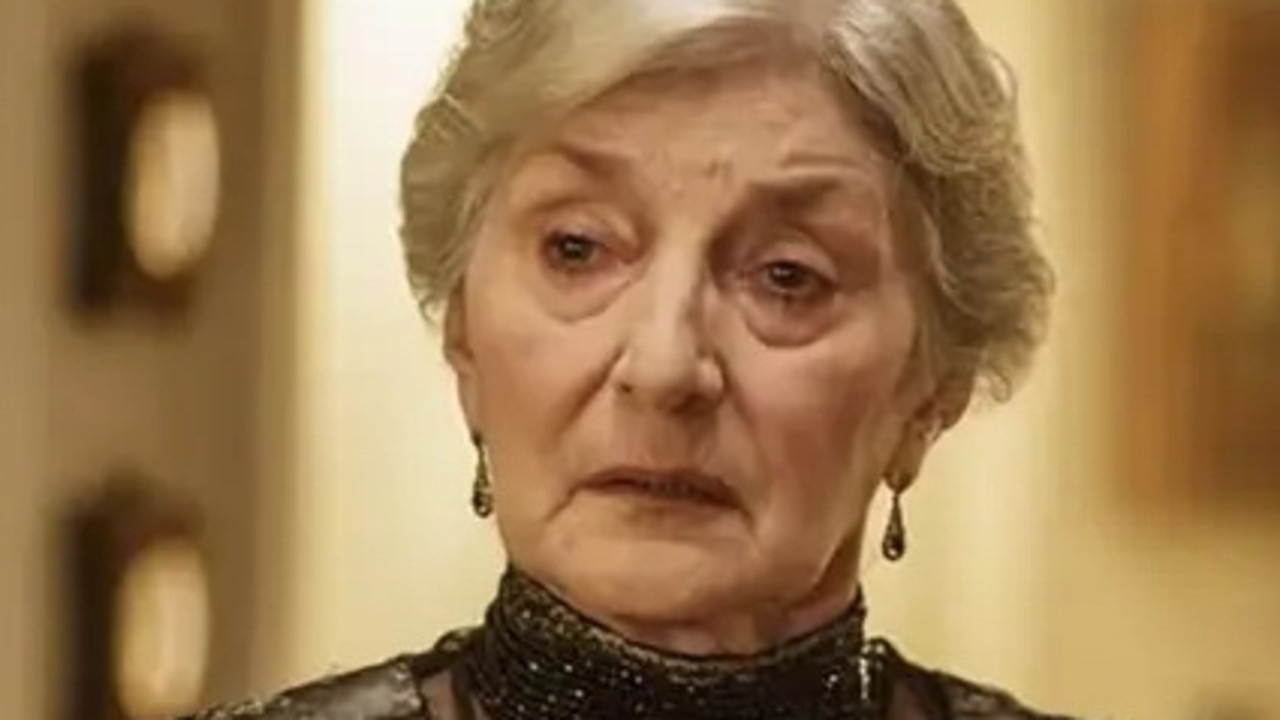
The world of performing arts has been reflecting with deep admiration on the enduring legacy of Jane Lapotaire, a distinguished British actress whose remarkable career stretched across decades of theater, television, and film. Renowned for her emotional depth, commanding stage presence, and an ability to inhabit complex historical figures with extraordinary authenticity, she earned a respected and permanent place among the most accomplished performers of her generation. Her passing at the age of 81 has prompted an outpouring of appreciation from audiences, fellow artists, and critics who recognized in her work something genuinely rare — a performer whose dedication to her craft never wavered across more than half a century of professional life.
A Childhood That Shaped an Artist

Jane Lapotaire was born Jane Burgess in Ipswich, England, in December 1944, and her early life was defined by circumstances that would come to shape her artistic sensibility in profound and lasting ways. Placed for adoption shortly after birth, she spent her formative years in foster care, developing the kind of resilience and emotional independence that comes from navigating uncertainty at a young age. Her childhood was marked by significant personal complexity, particularly when her biological mother re-entered her life during adolescence, triggering a legal custody dispute that ultimately allowed Jane to remain with her foster mother, though she maintained contact with her birth family during school holidays.
These early experiences were not merely biographical footnotes — they became the emotional raw material from which she drew throughout her entire career. Lapotaire was known for her willingness to speak honestly about her personal history and for her understanding of how those early years of uncertainty, belonging, and loss had deepened her capacity for emotional truth on stage and screen. The characters she was most celebrated for portraying — women of extraordinary inner strength navigating extraordinary circumstances — reflected something she had understood from childhood: that resilience and vulnerability are not opposites but companions.
The Making of a Stage Actress
Her passion for performance emerged early, eventually leading her to pursue formal theatrical training and her first professional opportunities in the world of British theater. In 1965, she made her stage debut at the Bristol Old Vic, taking on the role of Ruby Birtle in a production of “When We Are Married.” That initial performance proved to be a defining moment, one that solidified her commitment to acting not merely as a career but as a lifelong calling. She later reflected that her desire to perform was so deeply embedded in who she was that it surpassed almost every other consideration — an artistic drive of unusual intensity that those who worked with her consistently recognized.
In 1970, she became a founding member of the Young Vic Theatre, an innovative institution built around the belief that theater should be accessible and engaging for audiences well beyond the traditional theatrical demographic. This involvement marked the beginning of her ascent within the upper ranks of British theater. By 1974, she had joined the prestigious Royal Shakespeare Company, where she would deliver a series of performances that cemented her reputation as a formidable and serious stage actress. The RSC provided a platform that demanded technical mastery, emotional intelligence, and the ability to sustain powerful work night after night — all qualities that Lapotaire possessed in abundance.
The Role That Changed Everything
Among all the remarkable performances of her career, one stands apart as the defining achievement that brought her international recognition. Her portrayal of the iconic French singer Edith Piaf in the stage production simply titled “Piaf” was described by those who saw it as a genuinely transformative piece of theatrical work. Piaf’s life — marked by extraordinary talent, immense suffering, passionate love, and relentless determination — demanded a performer capable of accessing the full emotional spectrum of human experience and holding it in front of an audience without flinching. Lapotaire rose to that demand in ways that left audiences and critics searching for adequate superlatives.
When the production transferred to Broadway in 1980, the response from American audiences and the theatrical establishment was equally enthusiastic. Her performance earned her the Tony Award for Best Actress in a Play, the most prestigious recognition available in American theater. The award marked a significant milestone in her international career, establishing her not only as a celebrated figure within British theater but as a performer of global stature whose gifts had been formally recognized on the world’s most prominent theatrical stage.
A Versatile Screen Presence

Alongside her theatrical achievements, Lapotaire built an equally distinguished career on screen, demonstrating a versatility that allowed her to move with ease between the demands of live theater and the more intimate registers required by television and film. Her portrayal of the pioneering scientist Marie Curie in a 1977 BBC miniseries introduced her to a significantly broader audience and established her particular gift for bringing historical figures to life with intellectual depth and emotional honesty. Rather than presenting these women as remote figures from the past, she found in them a contemporary human reality that made their stories feel urgent and immediate.
Her film work included a notable portrayal of Queen Mary in the historical drama “Lady Jane,” a production exploring the turbulent politics and personal tragedies of Tudor-era England. Her performance brought gravitas and psychological complexity to a role that lesser performers might have rendered as purely ceremonial, adding layers of human feeling to a figure defined in popular memory primarily by her historical function.
In later years, she continued to appear in some of the most watched and celebrated television productions of contemporary British drama. Her role as Princess Irina Kuragin in “Downton Abbey” brought elegance and a carefully calibrated emotional tension to a storyline that benefited enormously from the authority she carried onto the screen. Her portrayal was widely praised for its understated delivery — the kind of performance that communicates through restraint rather than display, trusting the audience to receive what is offered without overemphasis.
In “The Crown,” she took on the role of Princess Alice of Battenberg, delivering a portrayal described by viewers and critics alike as quietly devastating in its emotional power. The role demanded the ability to convey both vulnerability and profound inner strength within the constraints of a character whose circumstances required significant emotional containment, and Lapotaire navigated that balance with the sureness that comes only from decades of mastery. For younger audiences encountering her work for the first time through these contemporary productions, the performances served as an introduction to an artist of extraordinary caliber.
Resilience Beyond the Stage
Her career was not without its most serious challenges. In the year 2000, Lapotaire suffered a cerebral hemorrhage that required emergency surgery and an extended period of intensive recovery, temporarily bringing her professional activities to a halt. The experience was by any measure a profound and frightening interruption — not only to her career but to her sense of herself as someone whose identity was so thoroughly bound up in her work and her art.
Her return to acting following that period of recovery reinforced for those who knew her and worked with her what had always been evident in her performances: that she was a person of remarkable personal resilience who brought to her life the same determination and refusal to be diminished by circumstance that she channeled into her greatest stage roles. The cerebral hemorrhage became, like so many of the difficult experiences in her life, something she eventually drew upon as a source of understanding and artistic depth rather than simply something to be overcome and set aside.
A Legacy That Extends Beyond Performance

Beyond her work as a performer, Lapotaire contributed to the arts through writing and teaching, extending her influence into the lives of developing artists who benefited from her knowledge, perspective, and hard-won wisdom about the demands and rewards of a life in theater. Her memoir offered readers a candid window into the personal and professional experiences that had shaped her journey, reflecting with honesty on a life lived in full engagement with both its difficulties and its extraordinary gifts.
Her formal recognition within British cultural life included appointment as a Commander of the Order of the British Empire, acknowledging her significant and lasting contribution to theater and to the broader cultural life of the nation. The honor reflected an understanding that her impact on British drama had extended well beyond any individual performance or production — that she had helped shape the standards and possibilities of her art form over several decades of distinguished work.
In her personal life, she was the mother of Rowan Joffe, a screenwriter and director whose own successful career in the creative arts reflected the family’s deep and generational engagement with storytelling and performance.
An Enduring Influence
What ultimately distinguishes Jane Lapotaire’s legacy is not any single award or celebrated role but the consistent quality of commitment and authenticity she brought to every project she undertook across more than fifty years of professional life. She approached each role with intellectual rigor and emotional honesty, choosing work that challenged both herself and her audience rather than settling for the comfort of the familiar. She collaborated with generosity and seriousness, earning the deep respect of directors, writers, and fellow performers who recognized in her the kind of artist who elevates everyone around her.
Her influence on aspiring performers has been significant and lasting. Many actors who came after her have cited her work as a source of inspiration and artistic standard-setting — evidence that the truest legacy of a great performer is not merely the performances themselves but the way they expand other people’s understanding of what is possible.
Jane Lapotaire’s story is one of continuous becoming — an artist who never stopped exploring, never stopped reaching, and whose contributions to the world of drama will continue to resonate in the work of everyone her example has touched.