
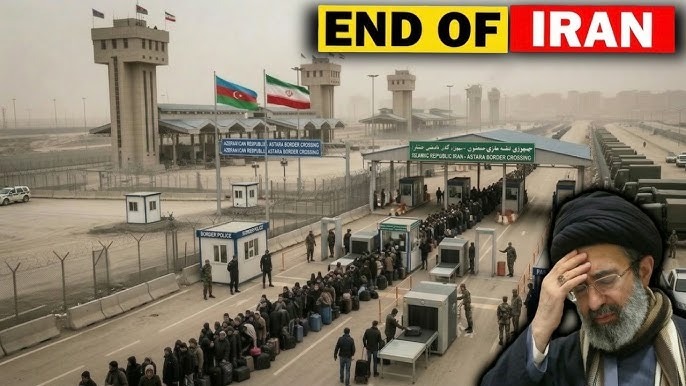
Recent viral content has circulated dramatic claims suggesting that Iran is experiencing a sudden collapse due to alleged actions by Russia and China, including mass evacuations and the shutdown of critical infrastructure. While such narratives may attract attention, they often lack verification from credible sources.
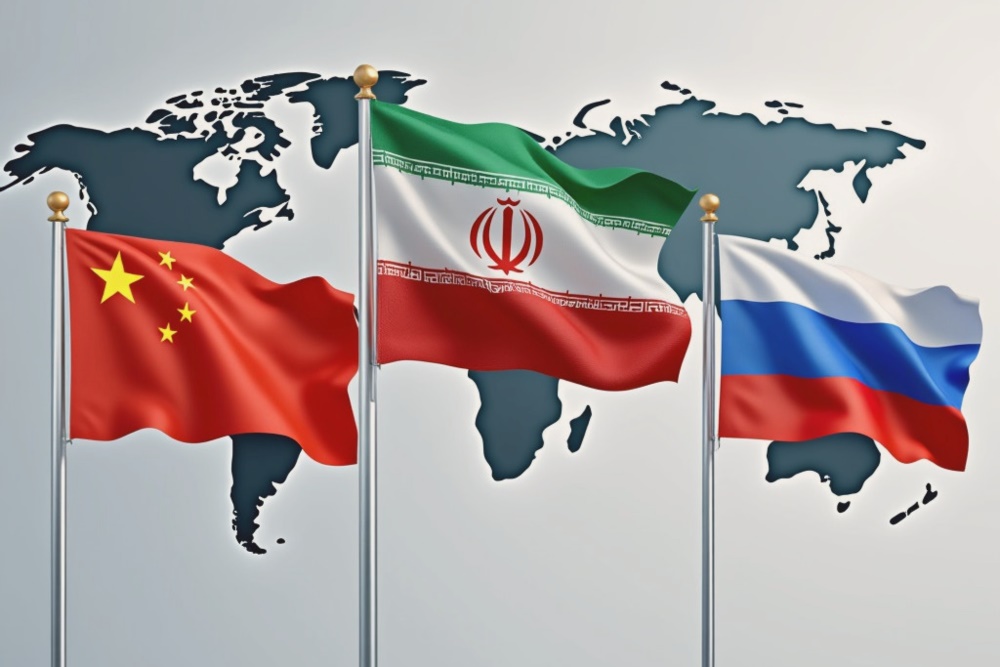
Understanding Iran’s Geopolitical Position
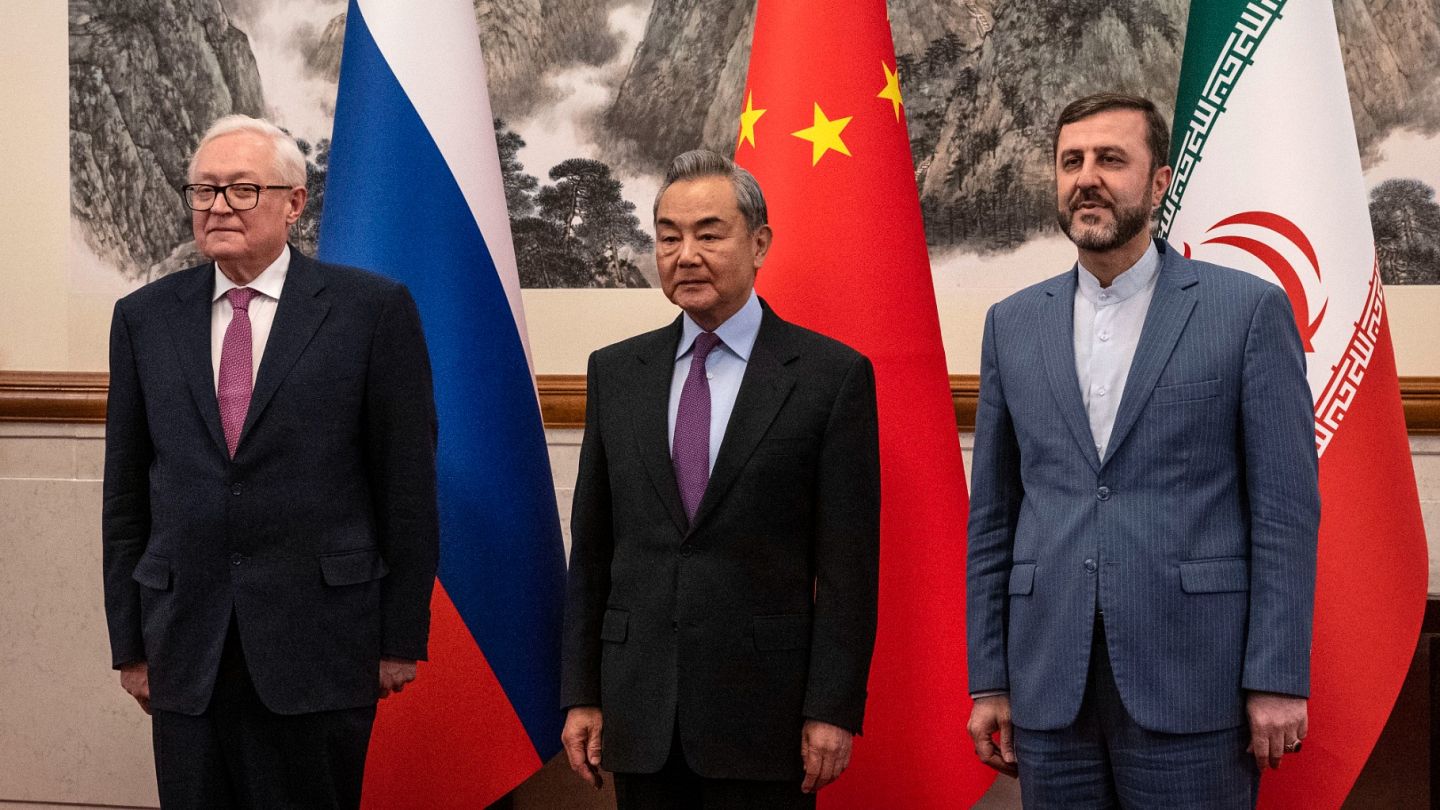
Iran plays a significant role in Middle Eastern geopolitics. Its relationships with countries such as Russia and China are often described as strategic partnerships rather than formal alliances.
These relationships are based on shared economic and political interests, including:
- Energy cooperation
- Trade agreements
- Diplomatic coordination in international forums
However, experts in international relations consistently note that these partnerships are pragmatic and evolving, not fixed or unconditional.
No Verified Evidence of Mass Evacuations or Infrastructure Shutdowns
Claims that Russia has evacuated all personnel from Iran or shut down critical infrastructure are not supported by verified reports from:
- Major global news agencies
- Official government statements
- International monitoring organizations
Large-scale evacuations involving foreign personnel, especially in sensitive sectors like energy or nuclear development, would likely be widely reported and confirmed through multiple independent sources.
As of now, there is no credible evidence confirming such events.
Iran’s Economic Conditions: A Realistic Overview
Iran’s economy has faced challenges in recent years due to a combination of factors, including:
- International sanctions
- Inflation and currency fluctuations
- Global energy market shifts
Organizations such as the International Monetary Fund and the World Bank regularly report on these conditions. While economic pressure is real, descriptions of sudden total collapse are not supported by current data.
Economic systems, particularly in large countries like Iran, do not typically collapse overnight. Instead, they evolve through gradual changes influenced by policy, trade, and global conditions.

The Role of Russia in Iran
Russia maintains cooperation with Iran in areas such as energy, defense discussions, and regional diplomacy. However, this relationship is shaped by Russia’s own strategic priorities.
There is no verified information indicating that Russia has:
- Abandoned all cooperation with Iran
- Withdrawn all experts from the country
- Taken actions that would directly disable Iranian infrastructure
International partnerships often shift in emphasis, but such changes are typically gradual and publicly documented.
China’s Economic Engagement with Iran
China is one of Iran’s major trading partners, particularly in the energy sector. China has historically imported Iranian oil and invested in infrastructure projects under long-term agreements.
While China also engages with other energy suppliers globally, including Russia and Gulf countries, this diversification is a normal part of global trade strategy.
There is no verified evidence that China has completely withdrawn from Iran or ended all cooperation.
Infrastructure and Technical Expertise
Modern infrastructure systems—such as ports, railways, and energy facilities—are maintained by a combination of domestic professionals and international collaboration.
Claims that entire sectors would immediately stop functioning due to the departure of foreign experts are not consistent with how infrastructure systems operate. Countries typically have trained domestic personnel and contingency plans to ensure continuity.
Domestic Conditions Inside Iran
Iran has experienced periods of public protest and economic dissatisfaction, which have been reported by reputable international media outlets. These developments reflect internal challenges, including:
- Economic pressures on households
- Public concerns about policy and governance
- Social and political debates
However, describing these dynamics as an immediate or total collapse of governance is not supported by verified reporting.
The Importance of Verified Information in Geopolitics
Geopolitical topics are complex and often sensitive. Misinformation can spread quickly, especially when content includes:
- Dramatic language such as “collapse” or “betrayal”
- Unnamed or unverifiable sources
- Claims of secret or hidden operations
Reliable information typically comes from:
- Official government statements
- Established international organizations
- Recognized global news agencies
These sources provide context and verification that help readers understand events accurately.
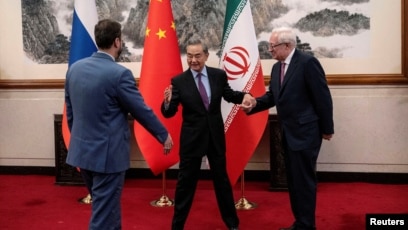
How Viral Narratives Can Mislead
Content that combines real-world elements with speculation can create a misleading impression. For example:
- Real economic challenges may be exaggerated into collapse scenarios
- Existing diplomatic tensions may be framed as sudden betrayals
- Routine geopolitical shifts may be presented as extraordinary events
Understanding these patterns helps readers distinguish between engaging narratives and factual reporting.
Regional Stability and Ongoing Diplomacy
The Middle East remains a region of strategic importance, and countries including Iran, Russia, and China continue to engage in diplomacy, trade, and negotiation.
International organizations such as the United Nations frequently emphasize:
- De-escalation of tensions
- Diplomatic engagement
- Economic cooperation
These efforts reflect a broader global interest in maintaining stability rather than sudden disruption.
Conclusion
There is no verified evidence supporting claims that Iran is experiencing a sudden collapse due to mass evacuations by Russia or China or the shutdown of critical infrastructure.
While Iran faces real economic and political challenges, these are part of ongoing, complex developments rather than dramatic overnight الأحداث. Partnerships with countries like Russia and China remain active, though subject to change based on strategic interests.
Understanding global events requires careful attention to credible sources, verified data, and realistic analysis. By focusing on factual information instead of speculation, readers can develop a clearer and more accurate view of international affairs.