

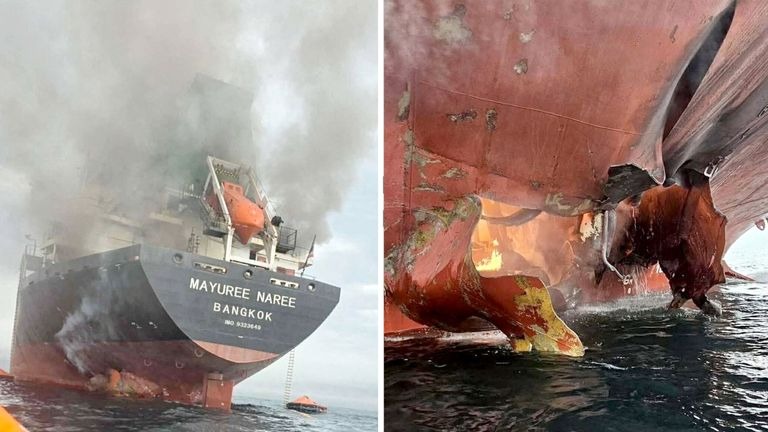
The Persian Gulf has long been one of the most strategically important waterways in the world. Every day, millions of barrels of oil pass through this narrow corridor, connecting Middle Eastern producers to global markets.
In recent years, however, the region has faced increasing instability. Ongoing tensions involving United States and Iran, combined with evolving military technologies, have raised new concerns about the safety of international shipping routes.
One of the most notable developments is the growing use of unmanned naval drones, a tool that is quietly reshaping how conflicts at sea may unfold.
Why the Persian Gulf Matters
Stretching between several key nations, including Iraq and Iran, the Persian Gulf serves as a critical energy artery.
Key facts:
- A significant portion of the world’s oil supply passes through this region
- Disruptions can impact global fuel prices within hours
- The area has a long history of geopolitical friction
Because of this, even minor incidents in the region can quickly draw international attention.
The Rise of Naval Drone Technology
Traditional naval warfare has historically relied on:
- Large warships
- Submarines
- Missile systems
Today, that landscape is changing.

What are naval drones?
Naval drones—also known as unmanned surface vessels (USVs)—are:
- Small, remotely operated or autonomous boats
- Often equipped with surveillance systems or, in some cases, explosives
- Capable of navigating busy waterways with minimal detection
These devices are relatively inexpensive compared to conventional military assets, yet they can pose a serious threat in crowded maritime environments.
Why Drones Are a Growing Concern
Security analysts have increasingly highlighted several risks associated with naval drones:
1. Low Cost, High Impact
A drone can be built at a fraction of the cost of a military ship, yet still disrupt major operations or commercial routes.
2. Difficult to Detect
Their small size and low profile make them harder to identify, especially in busy shipping lanes filled with civilian vessels.
3. Asymmetric Strategy
Countries or groups with limited resources can use drones to challenge more powerful naval forces.

Regional Tensions and Maritime Security
Tensions between United States and Iran have fluctuated over the years, often involving:
- Economic sanctions
- Military presence in the Gulf
- Disputes over regional influence
While both sides typically avoid direct large-scale conflict, incidents at sea—including vessel seizures or suspected sabotage—have occurred in the past.
In this environment, the introduction of drone technology adds a new layer of complexity.
Impact on Global Trade and Oil Markets
Any perceived threat to shipping in the Persian Gulf can trigger immediate reactions:
Oil Prices
Markets often respond quickly to uncertainty, with prices rising when supply routes appear at risk.
Shipping Costs
Insurance premiums for vessels traveling through high-risk areas can increase significantly.
Supply Chain Stability
Delays or rerouting of tankers can affect industries worldwide, from manufacturing to transportation.
How Countries Are Responding
To address these emerging risks, nations and maritime organizations have taken steps such as:
- Increasing naval patrols in key shipping corridors
- Enhancing surveillance and radar systems
- Developing counter-drone technologies
- Issuing safety advisories to commercial vessels
Shipping companies have also adapted by:
- Adjusting routes
- Increasing onboard monitoring
- Training crews for new types of threats
A New Era of Maritime Risk
The emergence of naval drones represents a broader shift in how conflicts may unfold at sea.
Instead of large-scale confrontations, future risks may involve:
- Smaller, less visible threats
- Rapid, localized disruptions
- Increased uncertainty in crowded waterways
This evolution challenges traditional defense strategies and requires new approaches to maritime security.

Conclusion: Staying Informed in a Changing Landscape
The Persian Gulf remains a vital part of the global economy—but also one of its most sensitive regions.
As technology continues to evolve, so too do the risks facing international shipping. While not every reported incident is confirmed or escalates into a larger conflict, the growing role of naval drones highlights an important reality:
Modern security challenges are becoming more complex, less predictable, and increasingly shaped by emerging technologies.
Understanding these developments helps provide context—cutting through speculation and focusing on what truly matters in a rapidly changing world.
Sources
- Public reports on maritime security and global shipping routes
- Analysis from defense and geopolitical experts
- Coverage from international news organizations on regional tensions