

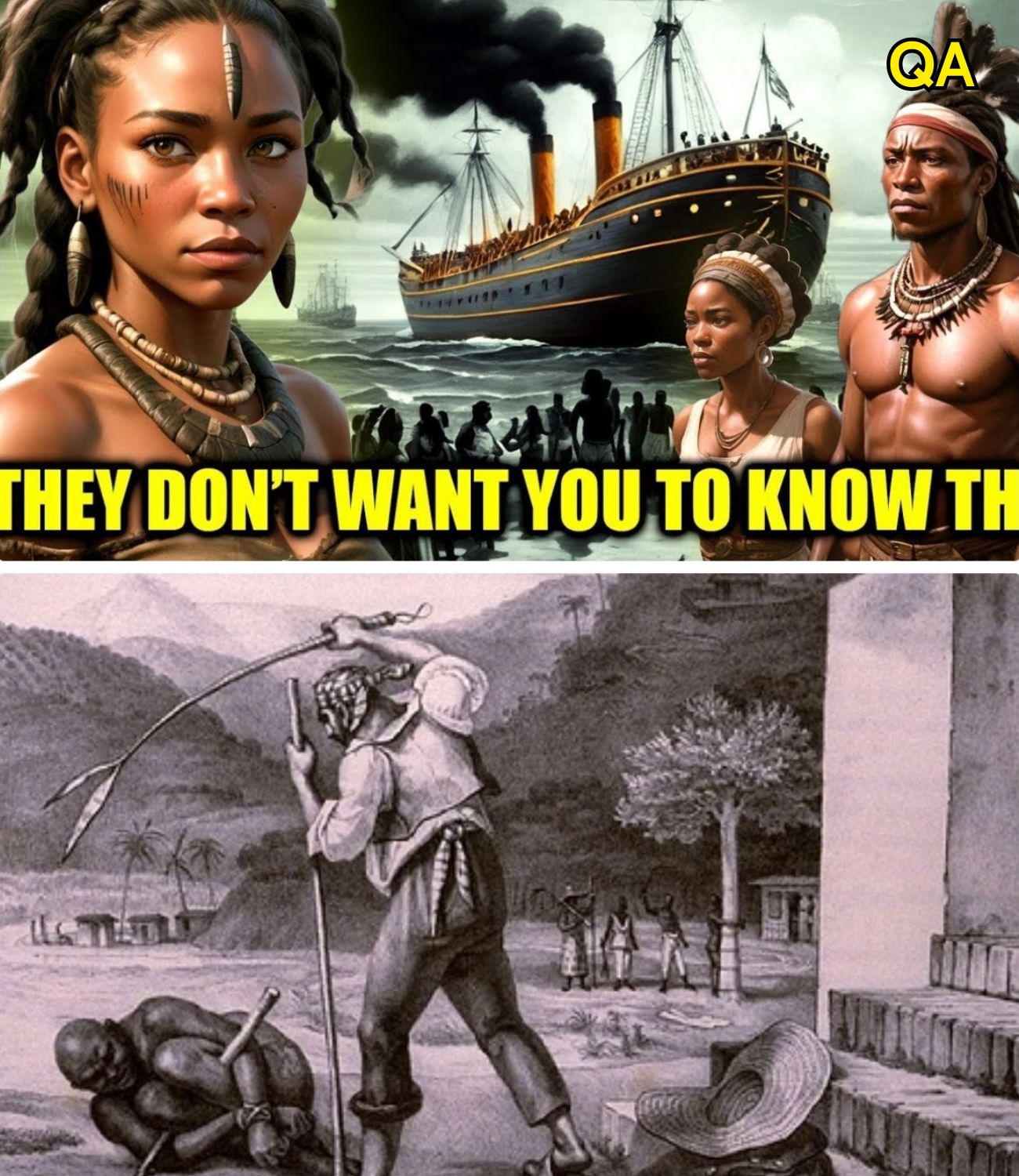
In the complex tapestry of American history, some stories are widely told, while others remain quietly woven between the lines. One such story is that of Black Indians, communities shaped by the blending of African and Native American ancestry. Their history is not defined by a single narrative but by a series of encounters, adaptations, and shared experiences that stretch back centuries.
For many, identity is often simplified into clear categories. Yet, the story of Black Indians challenges that simplicity. It reveals how cultures intersect, how communities evolve, and how identity is shaped not only by ancestry but also by lived experience, tradition, and resilience.
What Are Black Indians? Understanding a Complex Identity
Black Indians refer to individuals and communities with both African and Native American heritage. This identity emerged over time through interactions between African individuals and Indigenous tribes, particularly in regions such as the southeastern United States.
Rather than being a single unified group, Black Indians represent diverse communities, each with its own history and cultural expression. Some individuals trace their identity through family lineage, while others are connected through cultural participation within tribal communities.
This blended identity highlights an important concept often discussed in sociology and anthropology: identity is not fixed. It evolves through relationships, shared experiences, and historical circumstances.
Historical Origins: Encounters in Early America
The roots of Black Indian communities can be traced back to the early periods of European colonization in North America. During this time, African individuals arrived under systems of forced labor, while Native American tribes were navigating the pressures of colonial expansion.
In this environment, interactions between African and Native populations varied widely. Some encounters were shaped by conflict, but many developed into cooperative relationships. Shared challenges, including displacement and social pressures, often created opportunities for mutual support.
Escaped Africans, commonly referred to as Maroons, played a key role in this history. Seeking safety and independence, many found refuge among Native American tribes. Over time, they became integrated into these communities, contributing to daily life and forming families.
These early connections laid the foundation for what would later become distinct Black Indian identities.
Cultural Exchange and Adaptation
One of the most defining features of Black Indian communities is cultural exchange. When different groups come together, they do not simply coexist. They influence one another in meaningful ways.
African agricultural knowledge contributed to farming practices within tribal communities. At the same time, Native American expertise in land management and environmental awareness provided essential survival skills.
Music, storytelling, and spiritual traditions also blended. Rhythms, oral histories, and symbolic practices merged to create unique cultural expressions that reflected both African and Native influences.
From a cultural anthropology perspective, this blending process is often described as syncretism, where elements from different traditions combine to form new, evolving systems of meaning.
Challenges in Identity and Belonging
While cultural blending created rich traditions, it also introduced complexities. Questions of identity, belonging, and recognition have long been part of the Black Indian experience.
Differences in worldview sometimes led to internal tensions. For example, traditional Native perspectives on land as a communal resource contrasted with European-influenced ideas of private ownership, which affected both African and Native communities.
External pressures added further challenges. As the United States expanded, policies affecting Native American tribes disrupted established communities. These changes often impacted individuals of mixed heritage in unique ways, particularly in terms of legal recognition and rights.
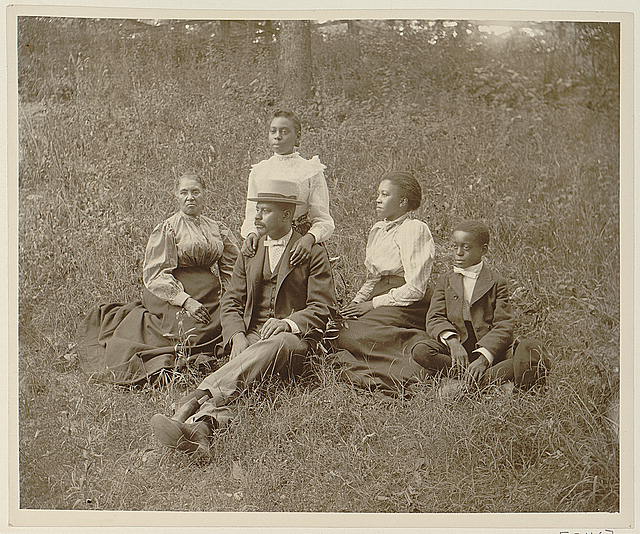
The descendants of African individuals within some tribes, often referred to as Freedmen, have faced ongoing debates about membership and identity. These discussions highlight how identity is shaped not only by ancestry but also by legal, cultural, and social factors.

Scientific Perspectives on Identity and Ancestry
From a scientific standpoint, ancestry can be studied through genetics, but identity goes far beyond DNA. Modern genetic research shows that many populations have complex, mixed ancestries, reflecting centuries of migration and interaction.
However, science also emphasizes that genetic ancestry does not fully define cultural identity. Cultural belonging is shaped by language, traditions, community participation, and shared history.
In the case of Black Indians, this distinction is particularly important. While genetics can reveal connections between African and Native American ancestry, it cannot capture the full depth of cultural experience.
This aligns with broader findings in sociology and human biology, which suggest that identity is a combination of biological heritage and social context.
Cultural Significance in American Society
Black Indian communities have made meaningful contributions to American culture. Their influence can be seen in music, art, literature, and community leadership.
Many cultural expressions reflect themes of resilience, adaptation, and identity. By drawing from multiple traditions, Black Indian artists and storytellers create work that is both unique and deeply rooted in history.
In addition, community events such as cultural festivals and gatherings play an important role in preserving heritage. These spaces allow individuals to share traditions, pass down knowledge, and strengthen connections across generations.
From a cultural studies perspective, these practices help maintain identity while also allowing it to evolve in response to modern influences.
Modern Challenges and Opportunities
Today, Black Indian communities navigate a complex social landscape. They often encounter overlapping forms of discrimination, facing challenges related to race, identity, and recognition.
At the same time, there are growing opportunities for visibility and advocacy. Digital platforms have made it easier for individuals to share their stories, connect with others, and raise awareness about their history.
Educational initiatives are also playing a key role. Efforts to include more diverse narratives in school curricula help create a more accurate understanding of American history. By highlighting the experiences of Black Indians, educators can foster greater awareness and empathy.
Community organizations continue to advocate for recognition, cultural preservation, and access to resources. These efforts are essential for supporting future generations and ensuring that these stories are not forgotten.
Myth, Perception, and Public Understanding
The story of Black Indians is sometimes surrounded by misconceptions or oversimplified narratives. Some interpretations focus heavily on ancestry, while others emphasize cultural identity without acknowledging historical context.
It is important to approach this topic with balance. While certain claims about identity or ancestry may be debated, the historical presence of communities with blended African and Native heritage is well documented.
Understanding this history requires moving beyond myths and recognizing the complexity of human experience. It also involves acknowledging that identity is not always easily categorized.
By combining historical research with cultural insight, a more accurate and respectful understanding can emerge.
The Role of Education in Shaping Awareness
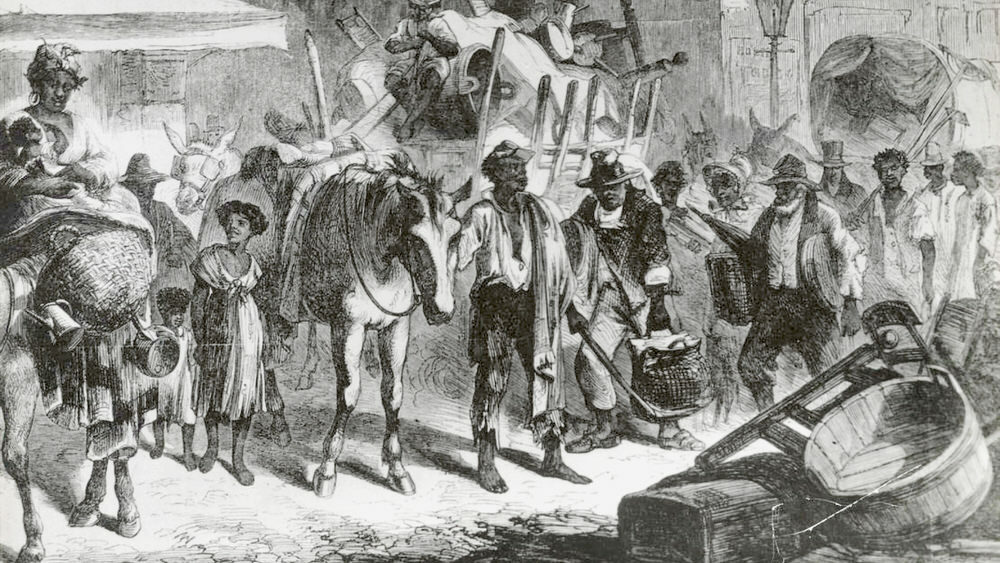
Education plays a critical role in how stories like this are understood. For many years, the experiences of Black Indians were underrepresented in textbooks and academic discussions.
Today, there is a growing effort to include these narratives in broader historical frameworks. This shift helps provide a more complete picture of American history, highlighting the interconnectedness of different communities.
By learning about Black Indian history, individuals can gain a deeper appreciation for the diversity of cultural identities and the ways in which they evolve over time.
Resilience Across Generations
Resilience is a central theme in the story of Black Indians. Despite facing challenges related to displacement, recognition, and identity, these communities have continued to preserve their heritage.
Their resilience is reflected not only in survival but also in creativity, adaptation, and community building. Cultural traditions have been maintained and transformed, ensuring that they remain relevant in changing contexts.
Intergenerational connections play a key role in this process. Through storytelling, education, and shared experiences, knowledge is passed down and reinterpreted for new generations.
Looking Forward: Identity in an Evolving World
As society continues to evolve, so too does the understanding of identity. The story of Black Indians offers valuable insights into how identities are formed, maintained, and redefined over time.
Future progress will likely depend on continued efforts in education, advocacy, and cultural preservation. Building connections between communities and promoting inclusive narratives can help create a more accurate and respectful understanding of history.
At the same time, recognizing the complexity of identity encourages more thoughtful conversations about diversity and belonging in modern society.
Conclusion: A Reflection on Human Curiosity
The story of Black Indians reminds us that history is rarely simple. It is shaped by movement, interaction, and the blending of cultures. It challenges assumptions and invites deeper exploration.
Human curiosity drives us to ask questions about where we come from and how we are connected. In exploring stories like this, we not only learn about specific communities but also gain insight into the broader human experience.
By embracing complexity and seeking understanding, we move closer to a more inclusive view of history one that recognizes the richness of identities formed at the intersection of cultures.
Sources
Smithsonian Institution
Library of Congress
National Museum of the American Indian
PBS History Resources
Journal of American History
National Geographic
U.S. National Archives