
It begins with a notification.
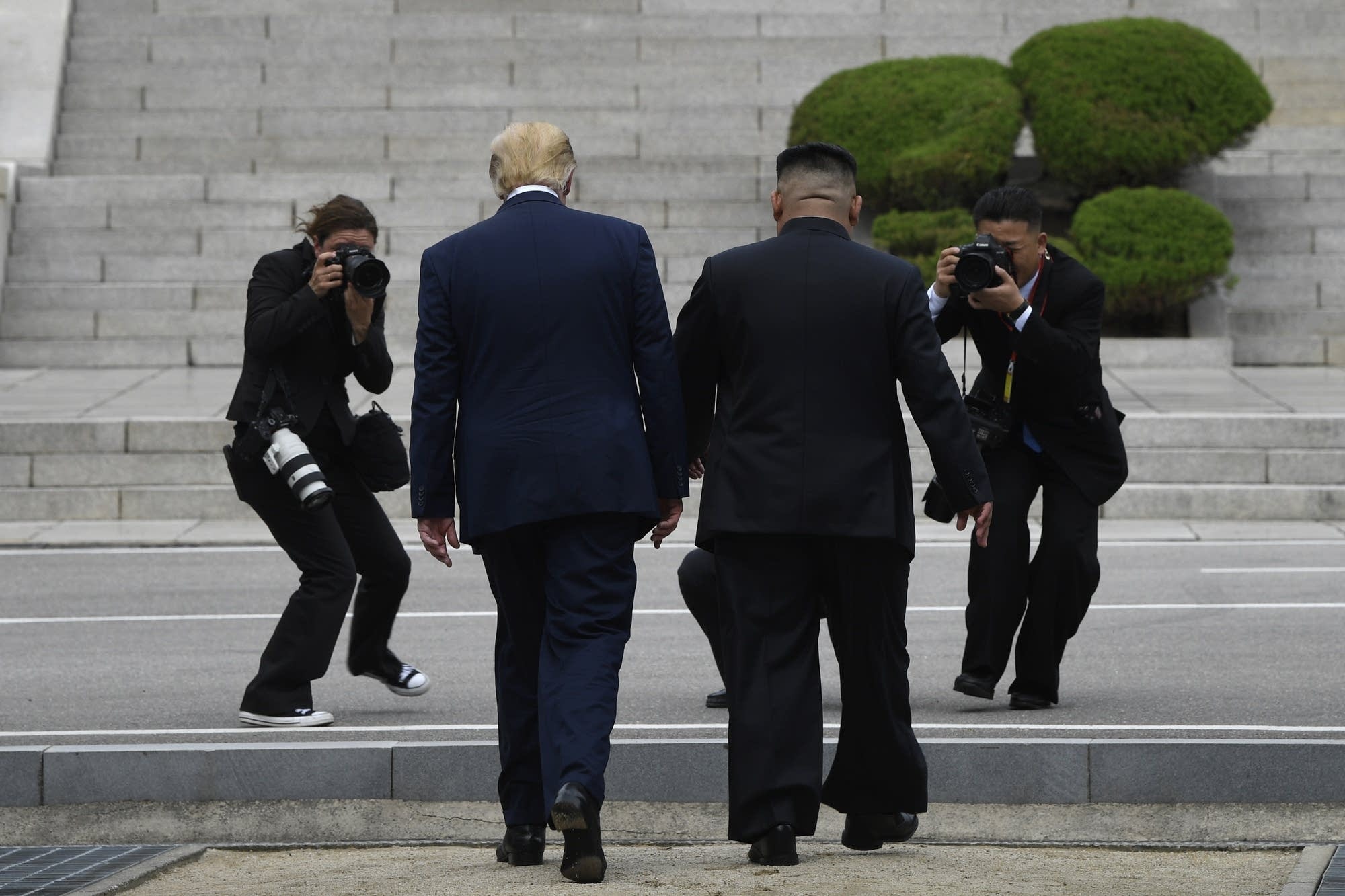
A bold headline flashes across a screen, warning of rising tension between North Korea and Donald Trump. The language feels urgent, the tone intense, and the implications seem global.
For a moment, everything else fades. Questions surface instantly. Is this real? Has something changed? What does it mean for the world?
In today’s digital landscape, moments like this are increasingly common. Information travels faster than ever, but so do interpretations, exaggerations, and speculation. Understanding the difference has become essential.

The Power of Headlines in the Digital Age
Why Certain Stories Go Viral
Modern headlines are designed to capture attention quickly. They often use emotionally charged language, urgency, and uncertainty to encourage clicks.
Topics involving geopolitics, especially those connected to nuclear capabilities or global security, naturally draw strong reactions. When names like North Korea and Donald Trump appear together, the impact is even greater.
This combination creates a powerful narrative that spreads rapidly across platforms.
The Psychology Behind Fear-Based Content
From a psychological perspective, humans are wired to respond to potential threats. Even when information is unclear, the brain prioritizes attention toward anything that might signal danger.
This response is not new, but digital media amplifies it. Repeated exposure to alarming headlines can create a sense of ongoing crisis, even when verified information is limited.
Understanding this response helps readers approach such content more thoughtfully.

Historical Context: A Complex Relationship
Diplomacy and Tension Over Time
The relationship between the United States and North Korea has long been marked by both confrontation and dialogue.
During the presidency of Donald Trump, this relationship took on a unique dynamic. There were moments of heightened rhetoric, followed by unprecedented diplomatic meetings.
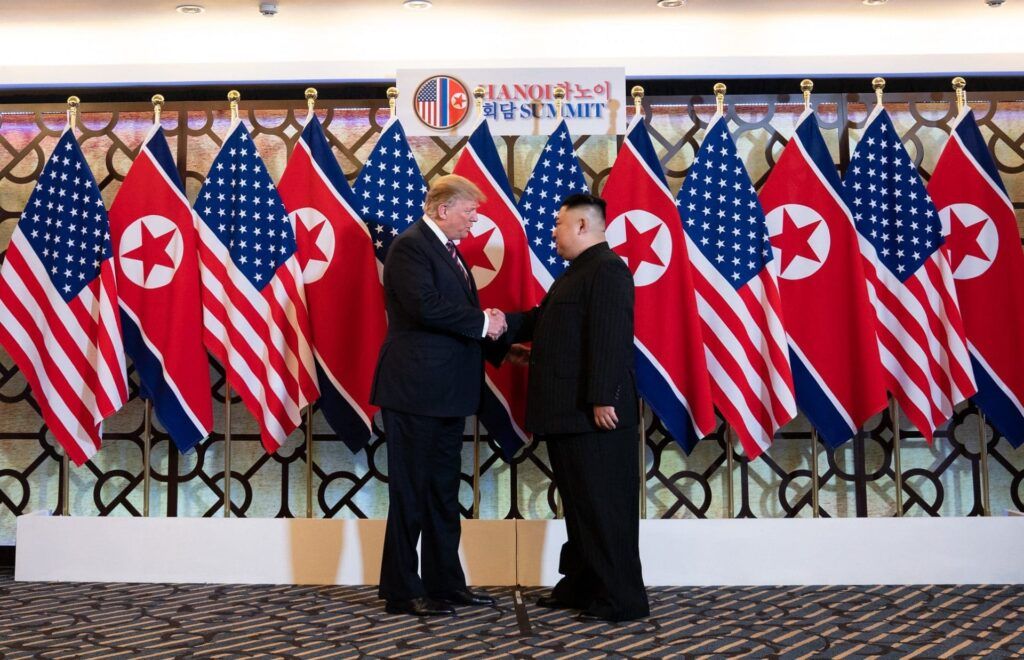
One notable event was the 2018 Singapore Summit, where Trump met with Kim Jong-un. This meeting represented a rare moment of direct engagement between the two sides.
While it did not resolve all underlying issues, it showed that communication channels could exist even during periods of tension.
Myth vs Reality in Modern Geopolitical News
Are All Alarming Claims Accurate?
Not every headline reflects a confirmed or immediate reality.
In many cases:
- Early reports may lack full context
- Statements can be interpreted in multiple ways
- Online discussions may amplify unverified claims
This does not mean that concerns are baseless, but it highlights the importance of verification.
Readers are encouraged to look for:
- Multiple credible sources
- Official statements
- Consistent reporting across outlets
The Role of Speculation
Speculation often fills the gaps when information is incomplete. Analysts, commentators, and social media users may offer interpretations that go beyond confirmed facts.
While speculation can provide insight, it should be clearly distinguished from verified information. Treating speculation as certainty can lead to misunderstanding.
The Science of Information Spread
How News Travels in Seconds
Information today moves through networks at extraordinary speed. Social media platforms, news aggregators, and messaging apps all contribute to rapid distribution.
Algorithms prioritize content that generates engagement. Emotional or surprising stories are more likely to be shared, increasing their visibility.
This creates a feedback loop where attention drives amplification.
Digital Echo Chambers
Online environments can also create echo chambers, where similar viewpoints are repeated and reinforced.
In such spaces, a single claim can appear more credible simply because it is seen frequently. This effect can blur the line between perception and reality.
Recognizing this dynamic is key to maintaining a balanced perspective.
Global Implications of Perceived Tension
Why These Stories Matter
Even when information is uncertain, stories about geopolitical tension can influence:
- Public opinion
- Financial markets
- International relations
Governments and organizations often monitor media narratives closely, as perception can shape behavior.
The Importance of Responsible Communication
Leaders, media outlets, and individuals all play a role in shaping how information is shared.
Clear, accurate communication helps reduce confusion and supports informed decision-making. In contrast, exaggerated or misleading content can increase uncertainty.
A Balanced Perspective
Between Concern and Caution
It is reasonable to pay attention to developments involving major global players. However, it is equally important to approach information with caution.
A balanced perspective includes:
- Staying informed
- Verifying claims
- Avoiding immediate conclusions
This approach allows individuals to remain aware without becoming overwhelmed.
Looking Forward
The Future of Global Information
As technology continues to evolve, the way we receive and interpret news will also change.
Tools for verification, fact-checking, and analysis are becoming more accessible. At the same time, the volume of information continues to grow.
Navigating this environment requires both awareness and critical thinking.
A Reflection on Human Curiosity
Why do headlines about distant countries and political figures capture so much attention?
The answer lies in curiosity.
Humans are naturally drawn to stories that affect the broader world. We seek to understand risks, relationships, and the forces shaping our future.
Curiosity drives us to click, read, and share. It connects us to events beyond our immediate surroundings.
But curiosity also carries responsibility. It encourages us to look deeper, question assumptions, and seek clarity.
In a world filled with information, this balance between interest and understanding becomes one of the most valuable skills we can develop.