
The Remarkable Journey of Egg Formation in the Human Body
Egg formation is one of the most intricate biological processes in the human body, yet it happens quietly, without conscious awareness. Long before birth, a female body begins preparing for a reproductive journey that can span several decades, influencing fertility, hormonal balance, and overall health.
Unlike sperm, which are produced continuously throughout adult life, human eggs follow a finite and highly regulated path. This difference makes egg development a unique process, shaped by time, hormones, and the body’s internal environment.
Understanding how eggs form and mature helps explain why fertility changes with age and why overall health plays such an important role in reproductive function.
Eggs Are Formed Before Birth
One of the most surprising aspects of egg formation is that it begins before a person is born. During fetal development, the ovaries create their entire lifetime supply of eggs.
At birth, a female typically has between one and two million immature eggs, known as oocytes. These oocytes are stored in the ovaries and remain inactive for many years. Unlike other cells in the body, they are not replaced or regenerated later in life.
From birth onward, the number of eggs steadily declines through a natural process called atresia, in which the body breaks down and reabsorbs unused eggs. This process continues throughout childhood and adolescence.
By the time puberty begins, the egg count has already dropped significantly, usually to a few hundred thousand.
What Happens at Puberty
Puberty marks the point when the reproductive system becomes active. Hormonal signals from the brain begin to communicate with the ovaries, initiating the monthly menstrual cycle.
From this point forward, the ovaries will regularly prepare eggs for possible release. However, only a very small percentage of the original egg supply will ever mature fully.
Throughout a woman’s reproductive life, typically only about 300 to 400 eggs are released through ovulation. The rest are lost through atresia, making egg selection an extremely selective biological process.
The Monthly Hormonal Cycle

Each menstrual cycle begins with a complex interaction of hormones that carefully coordinate egg development.
At the start of the cycle, the brain releases follicle-stimulating hormone (FSH). This hormone signals the ovaries to begin maturing several follicles. Each follicle contains one immature egg.
Although multiple follicles may start developing, usually only one becomes dominant. This dominant follicle grows more rapidly, receiving the majority of hormonal support. Inside this follicle, the egg continues to mature in preparation for release.
The remaining follicles that do not reach maturity are naturally broken down by the body.
Ovulation: The Release of the Egg
Around the middle of the menstrual cycle, a surge of luteinizing hormone (LH) triggers ovulation. This hormonal signal causes the dominant follicle to release its mature egg from the ovary.
Once released, the egg enters the fallopian tube. From this point, it has a very limited lifespan. The egg remains viable for fertilization for approximately 12 to 24 hours.
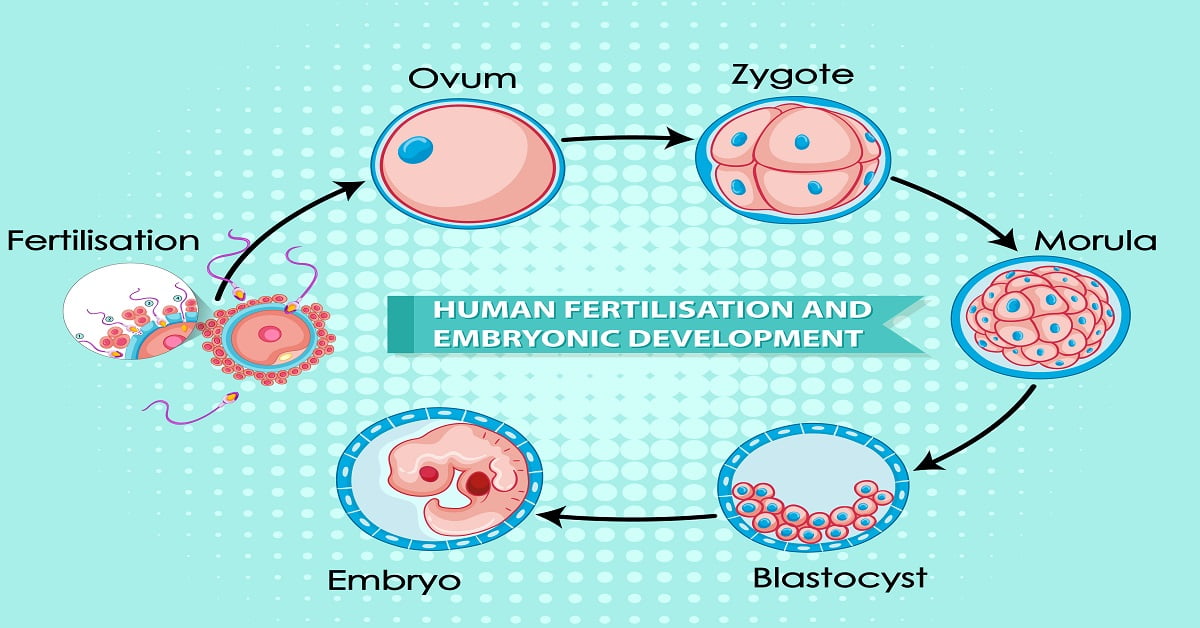
If sperm is present during this window and fertilization occurs, the egg begins dividing and may travel toward the uterus for implantation. If fertilization does not occur, the egg gradually breaks down and is absorbed by the body without causing noticeable symptoms.
Precision Behind the Process

Egg formation and ovulation depend on precise timing. Hormones must rise and fall in a coordinated pattern, and the reproductive organs must respond appropriately at each stage.
Even small disruptions can interfere with this process. Factors such as physical illness, emotional stress, significant weight changes, or hormonal imbalances can affect ovulation or egg quality.
This is why menstrual cycles may become irregular during periods of stress or illness. The body prioritizes overall survival, sometimes temporarily altering reproductive function.
Egg Quality and Aging
As women age, both the number and quality of eggs decline. This change does not happen suddenly but progresses gradually over time.
Egg quality refers to the egg’s ability to divide normally and support early development. With age, eggs are more likely to have chromosomal irregularities, which can affect fertility and pregnancy outcomes.
This is why fertility tends to decrease over time and why the likelihood of certain complications increases later in reproductive life. The body does not simply “run out” of eggs; rather, the remaining eggs may not function as efficiently.
The Role of Overall Health

Egg formation does not occur in isolation. It reflects the body’s overall health and internal balance.
Several lifestyle factors can influence egg development and ovulation, including:
-
Nutritional intake
-
Sleep quality
-
Stress levels
-
Physical activity
-
Exposure to environmental toxins
Hormonal balance is especially sensitive to long-term stress and poor health habits. Supporting general well-being helps create a more stable environment for reproductive processes.
While lifestyle changes cannot reverse aging, they can support hormonal health and help maintain regular ovulation.
Common Misunderstandings About Egg Formation
There are several common myths surrounding egg development. One misconception is that the body “chooses” the healthiest egg each month. In reality, egg selection is influenced by hormonal signaling and follicle responsiveness rather than conscious selection.
Another misunderstanding is that missing a menstrual cycle means eggs are being lost permanently. While ovulation may not occur in every cycle, egg loss through atresia happens continuously and is not solely tied to menstruation.
Understanding these processes helps reduce unnecessary anxiety about normal cycle variations.
Why Egg Formation Matters Beyond Fertility
Egg development is often discussed only in the context of pregnancy, but it plays a broader role in women’s health. The same hormonal systems that regulate ovulation also influence bone health, cardiovascular function, mood, and metabolism.
Changes in egg production and ovarian hormone levels can affect energy levels, emotional well-being, and physical health over time.
This is why reproductive health is closely connected to overall wellness, not just fertility.
A Quiet but Extraordinary Biological Process
Egg formation is a long-term, continuous process that operates silently in the background of daily life. From before birth through adulthood, the body carefully manages this limited and valuable resource.
Despite its complexity, most people never feel egg formation happening. There are no sensations, signals, or awareness of the intricate hormonal communication taking place.
This quiet efficiency is a powerful reminder of how sophisticated the human body truly is.
Key Takeaway
Egg formation is a unique and carefully regulated process that begins before birth and continues for decades. It depends on precise hormonal coordination, overall health, and time.
Understanding this process helps explain fertility changes, cycle variations, and the importance of supporting reproductive health through balanced lifestyle choices.
Although it often goes unnoticed, egg formation is one of the most remarkable examples of the body’s ability to manage complex biological systems with extraordinary precision.