


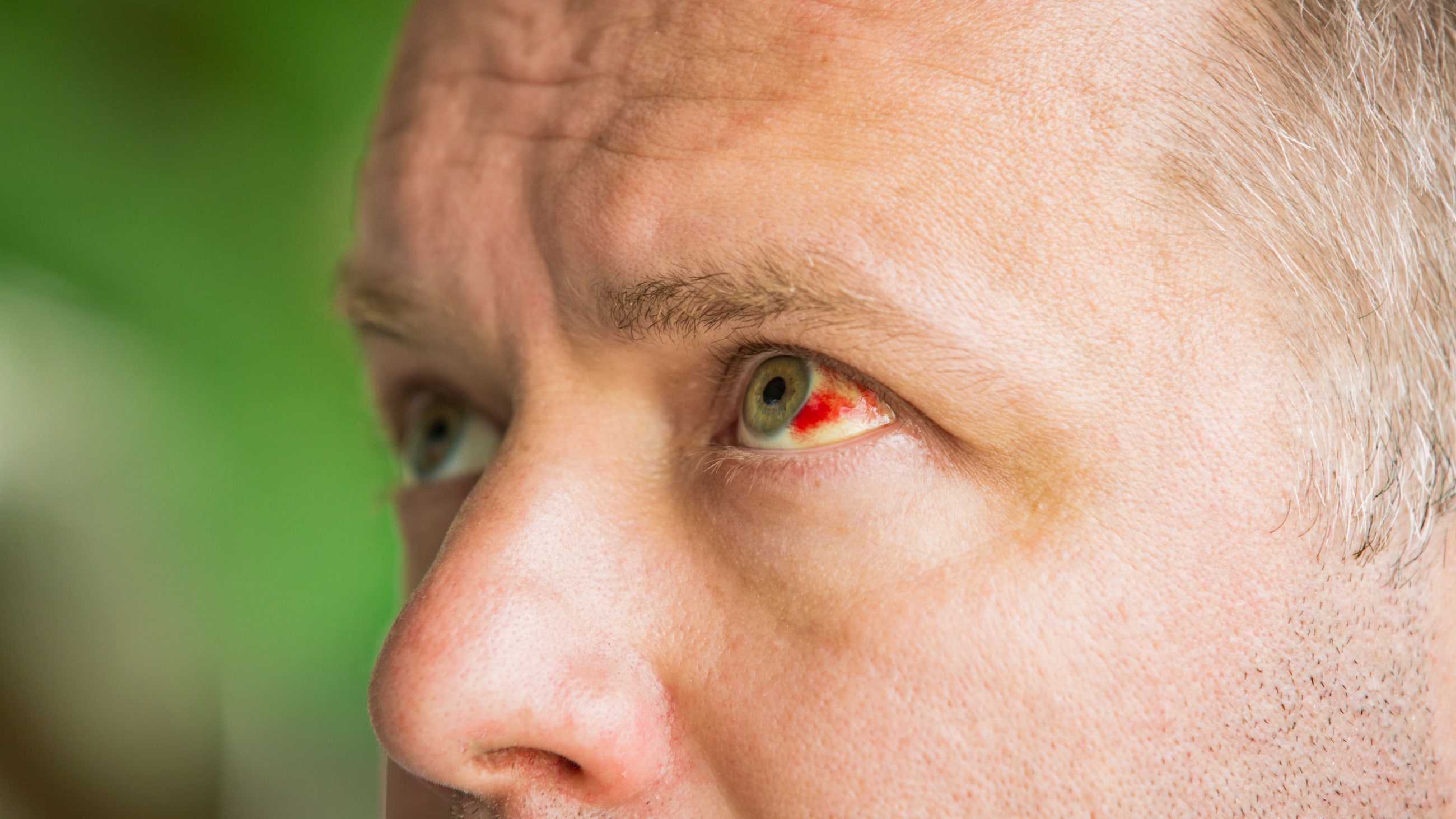
Seeing a bright red patch in the white part of the eye can be alarming. Many people worry it signals a serious eye problem or vision loss. In most cases, however, blood in the eye, medically known as subconjunctival hemorrhage, is a common and harmless condition that resolves on its own.
Understanding what causes this condition, how to recognize it, and when medical evaluation is necessary can help reduce anxiety and ensure proper eye care.
What Is Blood in the Eye?
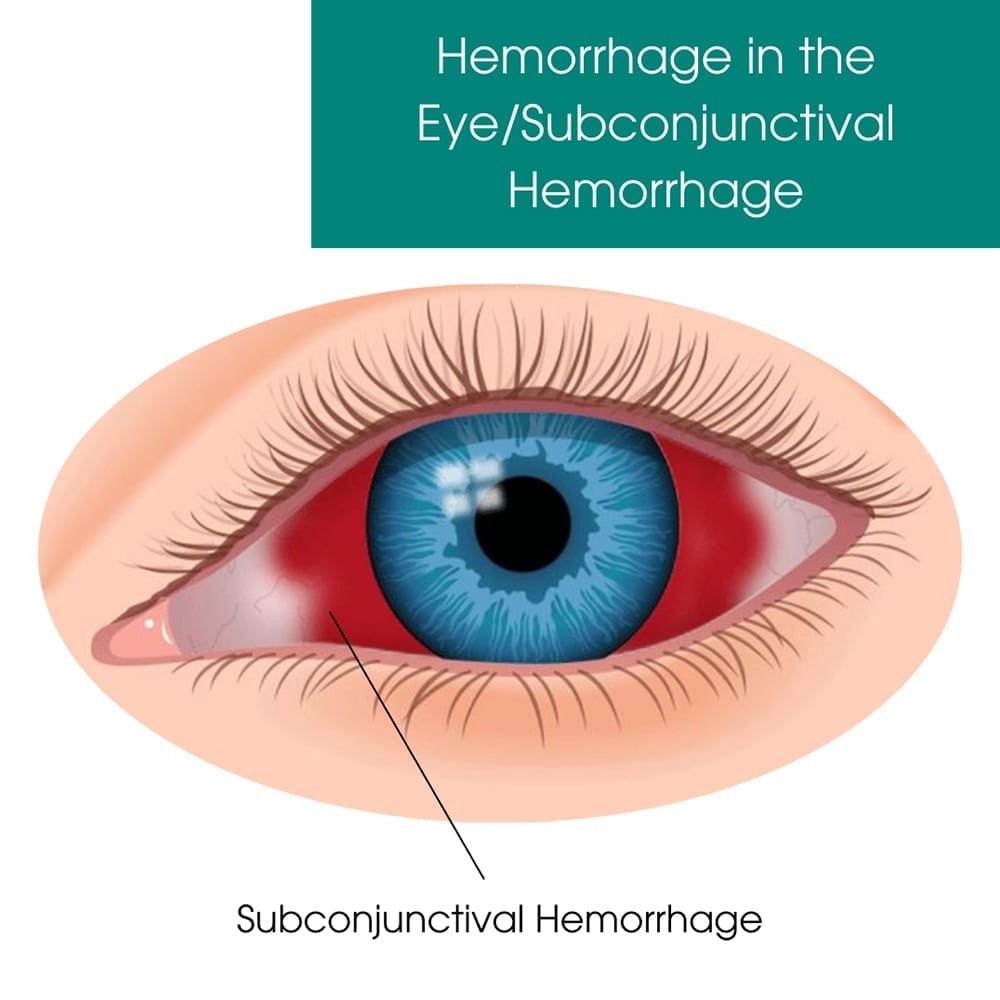
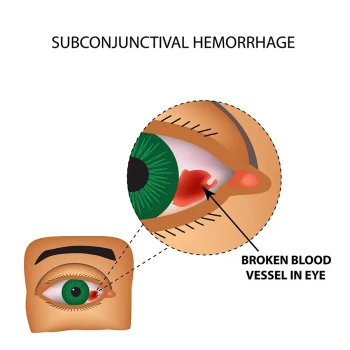
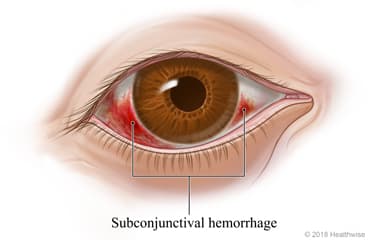
Blood in the eye occurs when a small blood vessel breaks beneath the conjunctiva, the clear tissue covering the white surface of the eye. Because the conjunctiva cannot absorb blood quickly, the trapped blood becomes visible as a red or dark patch.
This condition affects only the surface of the eye and does not involve the internal structures responsible for vision. As a result, most people experience no changes in eyesight.
Common Causes of Subconjunctival Hemorrhage
In many cases, blood in the eye develops suddenly and without an obvious cause. However, several well-recognized factors can increase pressure in tiny blood vessels, making them more likely to rupture.
Sudden Increases in Pressure
Brief spikes in blood pressure within the head and neck can cause small vessels to break, including during:
-
Forceful coughing or sneezing
-
Vomiting
-
Straining during bowel movements
-
Heavy lifting or intense physical effort
These activities may cause blood vessels in the eye to rupture even in otherwise healthy individuals.
Minor Eye Trauma
Blood in the eye may occur after mild irritation or injury, such as:
-
Rubbing the eyes too hard
-
Accidental contact with fingers or objects
-
Improper handling of contact lenses
Even small amounts of mechanical stress can damage fragile surface vessels.
Medical Conditions and Risk Factors
Certain health conditions and lifestyle factors may increase susceptibility, including:
-
High blood pressure
-
Diabetes
-
Blood clotting disorders
-
Use of blood-thinning medications
-
Advanced age
In these situations, blood vessels may be more fragile or slower to seal after minor injury.
Signs and Symptoms
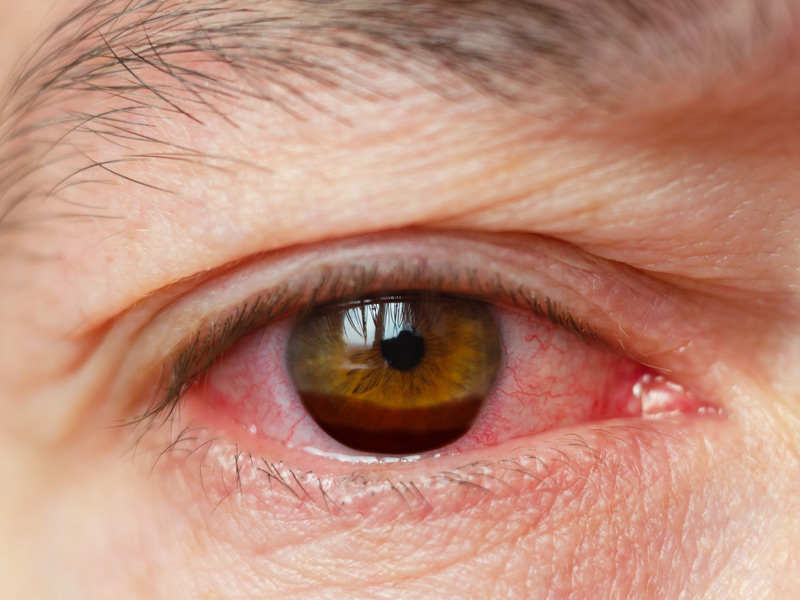
The most noticeable sign of subconjunctival hemorrhage is a well-defined red area on the white part of the eye. The appearance may range from a small spot to a large patch covering much of the sclera.
Typical Features
-
No pain or only mild irritation
-
No discharge from the eye
-
Normal vision
-
Redness that does not move or fade when blinking
Some people notice a scratchy sensation, but significant discomfort is uncommon.
Color Changes Over Time
As the blood gradually reabsorbs, the color may change from bright red to brownish or yellowish, similar to how a bruise heals on the skin. This process is normal and does not require treatment.
How It Is Diagnosed
In most cases, diagnosis is straightforward and based on visual examination. A healthcare professional can usually identify subconjunctival hemorrhage by looking at the eye and reviewing recent symptoms or activities.
If the condition occurs repeatedly or alongside other unexplained bruising or bleeding, further evaluation may be recommended, such as:
-
Blood pressure measurement
-
Blood tests to assess clotting
-
Review of medications and medical history
These steps help rule out underlying conditions that may require attention.
Treatment Options
No Specific Treatment Needed
Subconjunctival hemorrhage usually requires no medical treatment. The blood will gradually disappear on its own, typically within one to three weeks.
Comfort Measures
While healing occurs naturally, simple steps may help reduce minor discomfort:
-
Using preservative-free artificial tears
-
Avoiding eye rubbing
-
Reducing strenuous activity temporarily
There is no proven method to speed up the absorption of blood in the eye.
Medication Considerations
People taking blood-thinning medications should not stop or adjust their dosage without medical guidance. Changes should only be made under professional supervision.
When to See a Doctor
Although blood in the eye is usually harmless, medical evaluation is recommended if:
-
The condition happens frequently
-
There is eye pain, sensitivity to light, or blurred vision
-
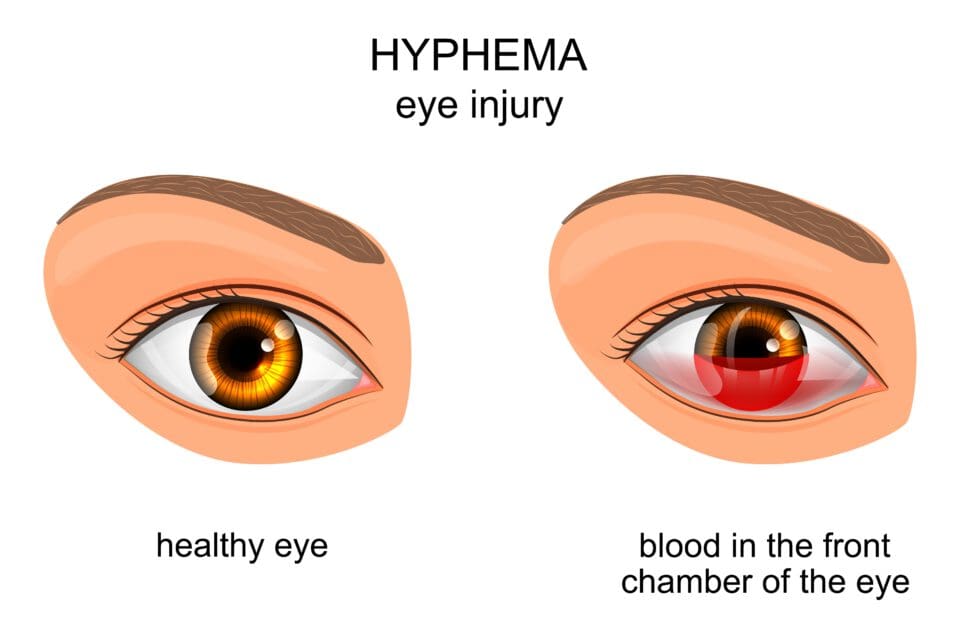
Blood appears inside the eye rather than on the surface
-
There are signs of bleeding elsewhere in the body
-
The redness does not improve after several weeks
Prompt evaluation ensures that more serious eye conditions are not overlooked.
Prevention Tips
Not all cases of subconjunctival hemorrhage can be prevented, but certain habits may help reduce risk:
-
Avoid rubbing or pressing on the eyes
-
Wear protective eyewear during sports or hazardous work
-
Manage blood pressure and chronic conditions
-
Follow proper contact lens hygiene
-
Use medications exactly as prescribed
Maintaining general eye health and overall wellness plays an important role in prevention.
Recovery and Outlook
The outlook for subconjunctival hemorrhage is excellent. Most people recover fully without complications, permanent changes, or vision problems. The appearance may be concerning at first, but the condition is typically temporary and self-limiting.
Recurring episodes may warrant further evaluation, especially in individuals with chronic health conditions or those using blood-affecting medications.
Final Thoughts
Blood in the eye can look dramatic, but it is usually a minor and temporary condition. Understanding its causes, recognizing typical symptoms, and knowing when to seek medical care can provide reassurance and support proper eye health.
If you experience unusual symptoms, repeated episodes, or changes in vision, consulting a healthcare professional is the safest way to ensure your eyes remain healthy.