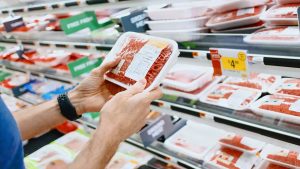

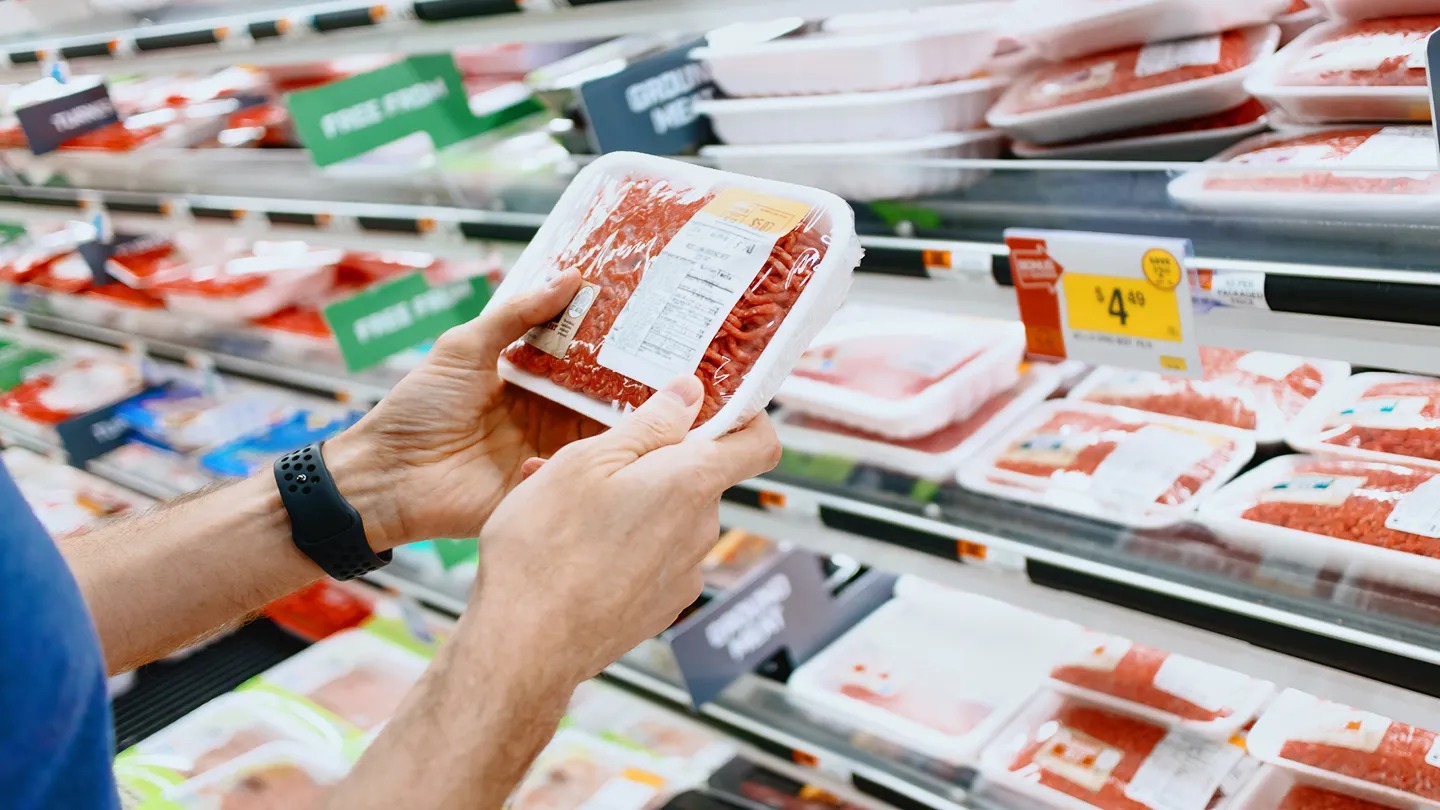
It was a normal evening when Lina stepped into her local supermarket after work. The store was calm, shelves neatly organized, and the meat section glowing under bright lights. Rows of chicken, beef, and processed meat products sat perfectly packed, each label promising freshness, quality, and “natural taste.”
She paused for a moment, holding a pack of sliced meat in her hand. It looked fresh, clean, and appealing. But then a thought crossed her mind: What is actually inside this product?
That simple question has become increasingly common among modern consumers. While supermarket meat appears straightforward, the reality behind packaging, processing, and labeling is often more complex than it seems. Understanding this complexity does not mean avoiding meat altogether—it means becoming a more informed and aware shopper.
This article explores the modern meat industry, what may be included in processed products, how marketing influences perception, and what science says about it all.
The Modern Meat Industry: Convenience, Scale, and Processing
Over the past several decades, the global meat industry has evolved significantly. Rising demand, urban lifestyles, and the need for longer shelf life have changed how meat is produced and sold.
Today, much of the meat available in supermarkets is designed not only for nutrition but also for:
Improved shelf stability
Consistent appearance
Enhanced flavor
Cost efficiency
These goals have led to the development of various processing techniques. While fresh cuts of meat remain close to their natural form, processed meat products are often modified in different ways to meet commercial needs.
This does not automatically mean the food is unsafe. However, it does mean that the final product may include more than just plain meat.
What Is Inside Processed Meat Products?
One of the most discussed topics in food awareness is the composition of processed meat. Depending on the type of product, several additional ingredients may be used to enhance texture, flavor, or shelf life.
Added Water and Moisture Solutions
Some meat products contain added water or moisture-retaining solutions. These are used to improve juiciness and weight. While this can make meat feel more tender, it may also reduce the proportion of actual protein per serving.
Salt and Sodium Compounds
Salt plays an important role in preservation and flavor. However, processed meats can contain higher levels of sodium compared to fresh cuts. From a scientific perspective, excessive sodium intake is associated with potential long-term health concerns when not balanced with overall diet.
Preservatives for Shelf Stability
Certain preservatives are used to slow spoilage and maintain appearance. These compounds help extend shelf life and reduce waste, which is beneficial in large-scale food distribution systems.
Flavor Enhancers and Seasoning Agents
To ensure consistent taste, flavor enhancers may be added. These help standardize flavor across batches, especially in mass production environments.
Binders and Fillers
Some products include binders such as starches or plant-based proteins. These improve texture and reduce production costs while maintaining structure in items like sausages or deli slices.
From a scientific standpoint, these ingredients are typically regulated within food safety guidelines. However, they do change the composition of the final product compared to fresh meat.

Why Are Additives Used in Meat Products?
It is important to understand that additives are not always harmful or unnecessary. In fact, they serve several practical purposes in modern food systems.
They help:
Extend shelf life and reduce waste
Maintain consistent texture and appearance
Improve transportation and storage stability
Enhance flavor in large-scale production
In a global food supply chain, these functions are essential. Without them, food spoilage rates would increase significantly, and distribution would become more difficult.
However, the trade-off is that consumers may not always see the full picture of what has been added or adjusted in their food.
The Illusion of Freshness and Visual Marketing
When shoppers walk through a supermarket, visual appearance plays a powerful role in decision-making.
Bright red meat is often perceived as fresher. Glossy packaging suggests higher quality. Clean labeling creates trust.
However, scientific studies in food technology show that appearance can sometimes be influenced by packaging methods, controlled atmosphere storage, and lighting design in retail environments.
This means that:
Color does not always equal freshness
Packaging can influence perception
Visual appeal is often part of marketing strategy
Understanding this helps consumers make decisions based on information rather than appearance alone.

The Role of Labels and Food Marketing
Modern food labeling is designed to inform, but it also serves marketing purposes. Terms such as “premium,” “natural,” or “farm fresh” are widely used across the industry.
However, these terms may not always have strict universal definitions. Their meaning can vary depending on local regulations and branding practices.
This creates a gap between:
Consumer expectations
Actual product composition
For example, a product labeled “natural” may still contain certain approved additives, depending on regional food laws. This does not necessarily mean the product is unsafe, but it can be misleading if consumers interpret it too literally.
Scientific Perspective: What Does Research Say?
From a nutritional science viewpoint, fresh and minimally processed meat generally contains a simpler composition. It is closer to its natural state, with fewer added ingredients.
Processed meat, on the other hand, is designed for stability and convenience. Research in food science highlights several key differences:
Processed products may contain higher sodium levels
Protein concentration can vary depending on added ingredients
Shelf life is significantly longer due to preservation methods
Most food safety authorities agree that processed meat can be consumed as part of a balanced diet. The key factor is moderation and awareness rather than complete avoidance.
Myth vs Reality in Meat Consumption
Myth: Expensive Meat Is Always Better Quality
Price often reflects branding, packaging, or origin rather than absolute quality. Some moderately priced products may be just as nutritious as expensive ones.
Myth: Bright Color Means Freshness
Color can be influenced by storage conditions and packaging techniques. It is not a reliable indicator of freshness on its own.
Myth: All Processed Meat Is Harmful
Not all processed meat is the same. Some products are minimally processed and meet strict safety standards. The important factor is frequency and overall dietary balance.
How to Read Meat Labels More Effectively
Understanding food labels is one of the most powerful tools for consumers.
Here are key things to check:
Ingredient order, since ingredients are listed by quantity
Sodium content, especially in processed items
Presence of preservatives and additives
Serving size versus actual consumption
A useful rule is simple: the shorter and more recognizable the ingredient list, the closer the product is to its natural form.
Practical Tips for Smarter Meat Choices
Making informed decisions does not require major lifestyle changes. Small habits can make a meaningful difference.
Choose fresh cuts when possible
Buy from trusted suppliers or butchers
Compare nutritional labels between brands
Balance processed and fresh foods in your diet
Ask questions about sourcing and preparation
These steps help consumers regain a sense of control over what they eat.

The Importance of Consumer Awareness
One of the most influential forces in food quality today is consumer behavior. When shoppers pay attention to labels, ask questions, and demand transparency, companies respond by improving clarity and quality standards.
In other words, informed consumers shape the market.
Awareness is not about fear. It is about understanding how food systems work so that choices can be made with confidence.
Looking Toward the Future of Food Transparency
The food industry is gradually moving toward greater transparency. Many producers are now:
Simplifying ingredient lists
Improving traceability systems
Reducing unnecessary additives
Offering clearer labeling practices
At the same time, consumers are becoming more curious about how food is produced. This shared movement is encouraging a more open and informative food environment.
Final Reflection: The Value of Curiosity
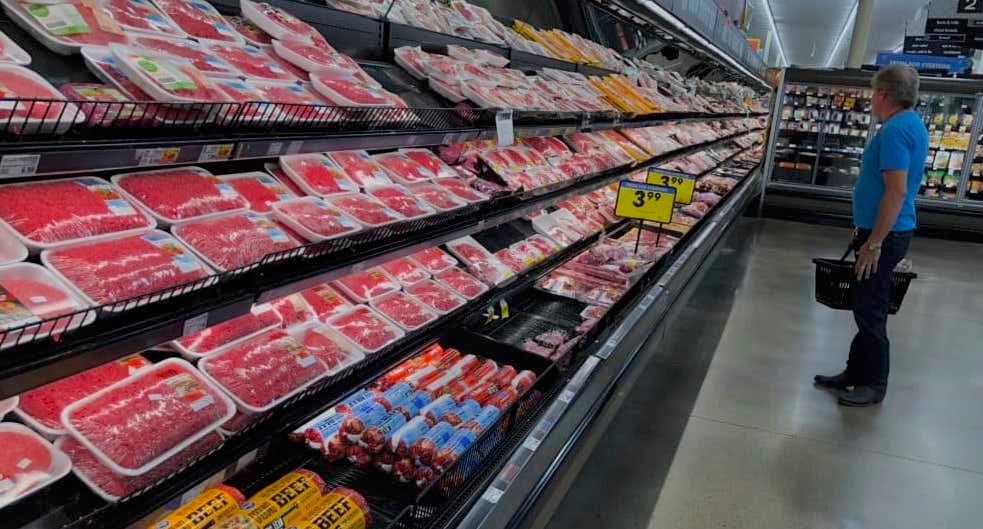
Standing in a supermarket aisle may seem like a simple everyday moment, but it reflects something deeper. Every packaged product represents a long chain of decisions, technologies, and processes that most people never see.
Curiosity about food is not about suspicion—it is about awareness.
When we ask questions like “What am I really eating?” we are not rejecting modern food systems. Instead, we are engaging with them more thoughtfully.
In the end, the most powerful tool a consumer has is knowledge. And with knowledge comes the ability to choose wisely, confidently, and without confusion.
Sources
Food and Agriculture Organization of the United Nations (FAO) – Meat processing and food systems overview
World Health Organization (WHO) – Processed meat consumption guidance and nutrition reports
U.S. Food and Drug Administration (FDA) – Food labeling and additive regulations
European Food Safety Authority (EFSA) – Food additives and risk assessment publications
Harvard T.H. Chan School of Public Health – Processed meat and dietary research summaries
National Institutes of Health (NIH) – Nutrition and food science studies