

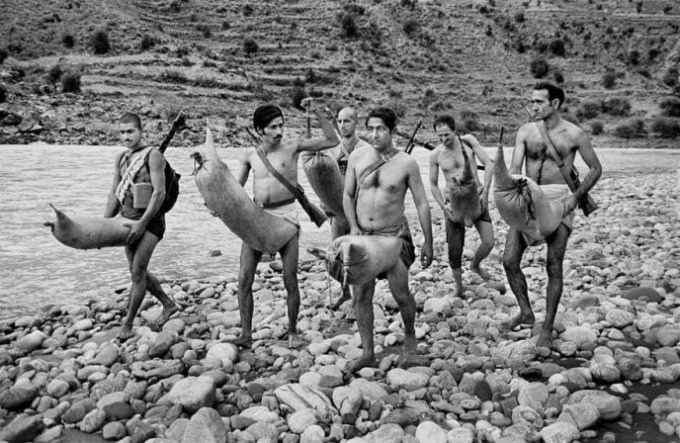
Afghanistan is a country with a long and complex history shaped by geography, culture, and decades of political change. Located at the crossroads of Central and South Asia, it has long been influenced by trade routes, empires, and cultural exchange. Archival photographs provide an important visual record of how people lived across different periods, offering context that written records alone cannot fully convey.
The following collection of rare historical images highlights daily life in Afghanistan across the mid-20th century and later decades. Rather than focusing on conflict, these photos emphasize social life, education, work, and cultural identity, helping viewers understand the country beyond headlines.
A Country of Diversity and Contrast
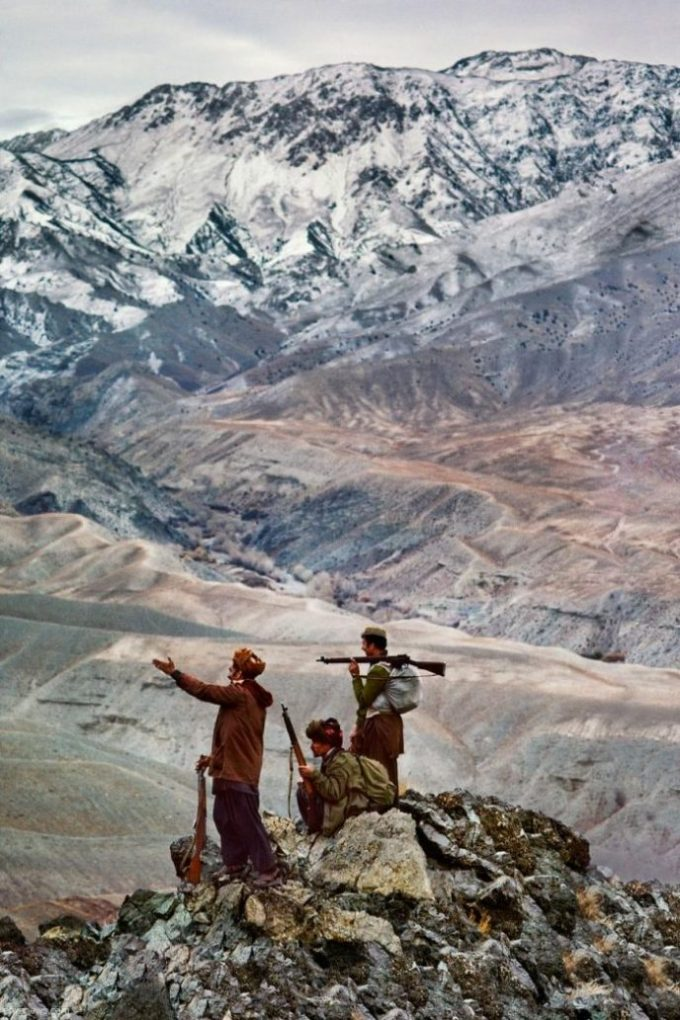
Afghanistan has never been a single, uniform experience. Its population includes many ethnic groups, languages, and regional traditions. Urban centers such as Kabul, Herat, and Mazar-i-Sharif historically developed differently from rural and mountainous regions, where customs often remained more traditional.
Archival photography captures this diversity clearly. Some images show modern infrastructure and formal education, while others document village life shaped by geography and long-standing cultural practices. Together, they illustrate how varied daily life has been across the country.
Afghanistan in the Mid-20th Century
Several of the most striking archival photographs date from the 1950s through the 1970s, a period when Afghanistan pursued modernization efforts while maintaining its cultural heritage. During these decades, the country maintained diplomatic relations with both Western and non-Western nations and invested in infrastructure, education, and public institutions.
Photographs from this era show paved streets, public parks, cinemas, and universities. Women appear in classrooms, offices, and public spaces, reflecting legal access to education and employment in urban areas at the time. These images are supported by historical records from UNESCO, World Bank development archives, and academic studies on Afghan social history.
Education and Public Life
One recurring theme in archival images is education. Photos show students attending universities, teachers leading classrooms, and young people participating in academic and cultural events. These scenes highlight periods when formal education expanded, particularly in cities.
Historical documentation confirms that higher education institutions such as Kabul University played a central role in training professionals in medicine, engineering, law, and education. While access varied significantly between urban and rural regions, these photos provide visual evidence of educational aspirations during that period.
Markets, Streets, and Daily Work
Another group of images focuses on everyday economic life. Open-air markets, known as bazaars, appear frequently in archival collections. Vendors sell produce, textiles, and household goods, while customers negotiate prices and socialize.
These scenes remain familiar today, as bazaars continue to be a vital part of Afghan economic and social life. Anthropological studies note that markets serve not only as commercial centers but also as spaces for community interaction and cultural exchange.
Cultural Expression and Recreation
Archival photographs also document leisure and cultural activities. Images show people attending festivals, picnicking in public gardens, or participating in traditional music and dance. In urban areas, cinemas and theaters operated during certain periods, reflecting exposure to international art and media.
Such photographs challenge simplified narratives by showing that Afghan society has long included creativity, recreation, and cultural expression alongside hardship.
Political Change and Social Shifts
From the late 1970s onward, Afghanistan experienced major political transitions that affected daily life. Archival photos from later decades reflect changes in public spaces, clothing norms, and social participation, particularly for women.
Rather than attributing these shifts to a single cause, historians emphasize the combined impact of internal political changes, regional instability, and international involvement. Responsible historical analysis avoids oversimplification and recognizes that Afghan society has continuously adapted under changing conditions.
Urban and Rural Differences
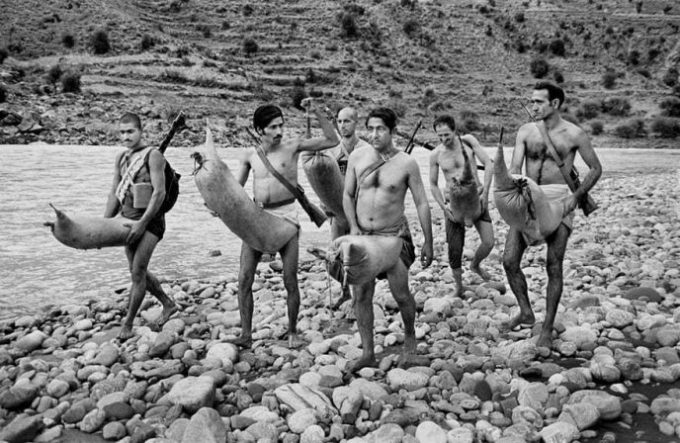
Many archival collections clearly show differences between city and village life. Urban photos often depict modern buildings, universities, and professional workplaces. Rural images, by contrast, show agricultural labor, traditional housing, and community structures shaped by geography and limited infrastructure.
This contrast is supported by development studies from organizations such as the United Nations Development Programme (UNDP), which note long-standing disparities in access to education, healthcare, and services between urban and rural regions.
Faces Behind the History
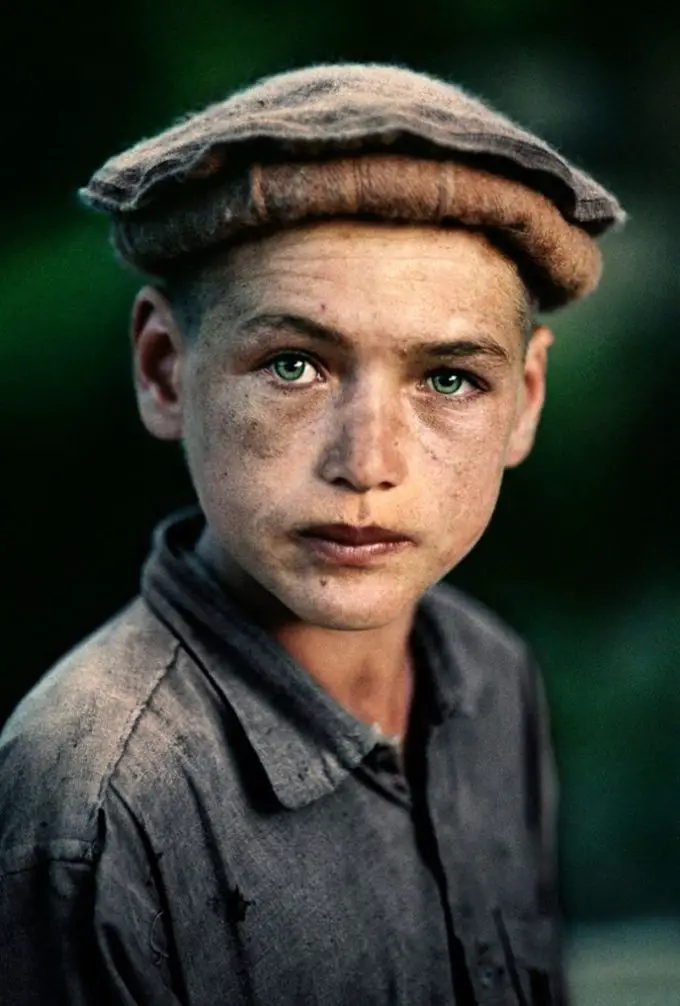
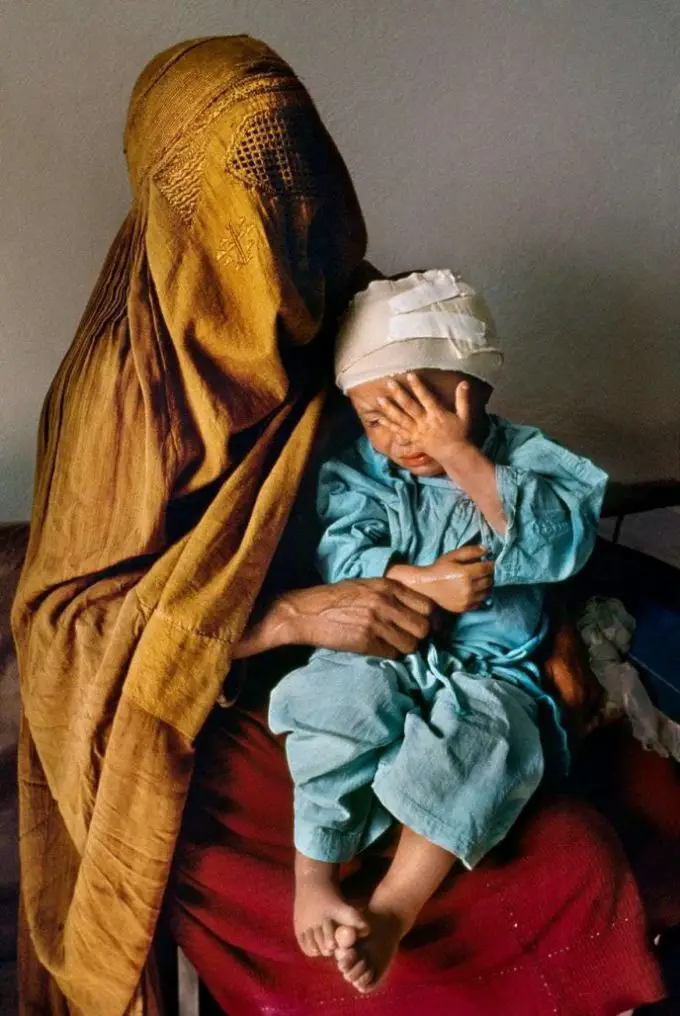
Perhaps the most powerful aspect of archival photography is its focus on individuals. Portraits of students, parents, workers, and elders remind viewers that history is lived by people, not abstractions.
These images show expressions of curiosity, determination, fatigue, and hope—emotions that transcend time and geography. They underscore a key principle in historical scholarship: understanding a country requires attention to the lived experiences of its people.
Why Archival Photos Matter
Archival photographs serve as primary historical sources. When preserved and contextualized properly by libraries, universities, and museums, they help counter misinformation and provide evidence-based perspectives.
Institutions such as national archives, academic research centers, and international cultural organizations continue to digitize and study Afghan photographic collections to ensure accurate representation of the country’s past.
Avoiding Simplified Narratives
Afghanistan is often portrayed through a narrow lens focused on instability. While challenges are real and well-documented, archival photos reveal a more complete picture—one that includes education, work, family life, and cultural continuity.
Responsible storytelling avoids portraying any nation or population as defined solely by hardship. Instead, it recognizes complexity, resilience, and historical context.
A History Still in Progress
Afghanistan’s story is ongoing. While archival images capture moments from the past, they also inform how the present is understood. Scholars, journalists, and educators rely on such materials to provide context for contemporary developments without erasing history.
The people shown in these photos were not symbols; they were individuals navigating their time and circumstances, much as people everywhere do.
Conclusion
The rare archival photos of Afghanistan presented here do more than document the past. They offer insight into daily life across different eras and regions, highlighting education, work, culture, and community.
By examining these images carefully and respectfully, viewers can move beyond stereotypes and gain a deeper understanding of Afghanistan as a nation shaped by history, diversity, and human resilience.
These photographs remain valuable not because they romanticize the past, but because they preserve it—allowing future generations to learn, reflect, and engage with history through evidence rather than assumption.