


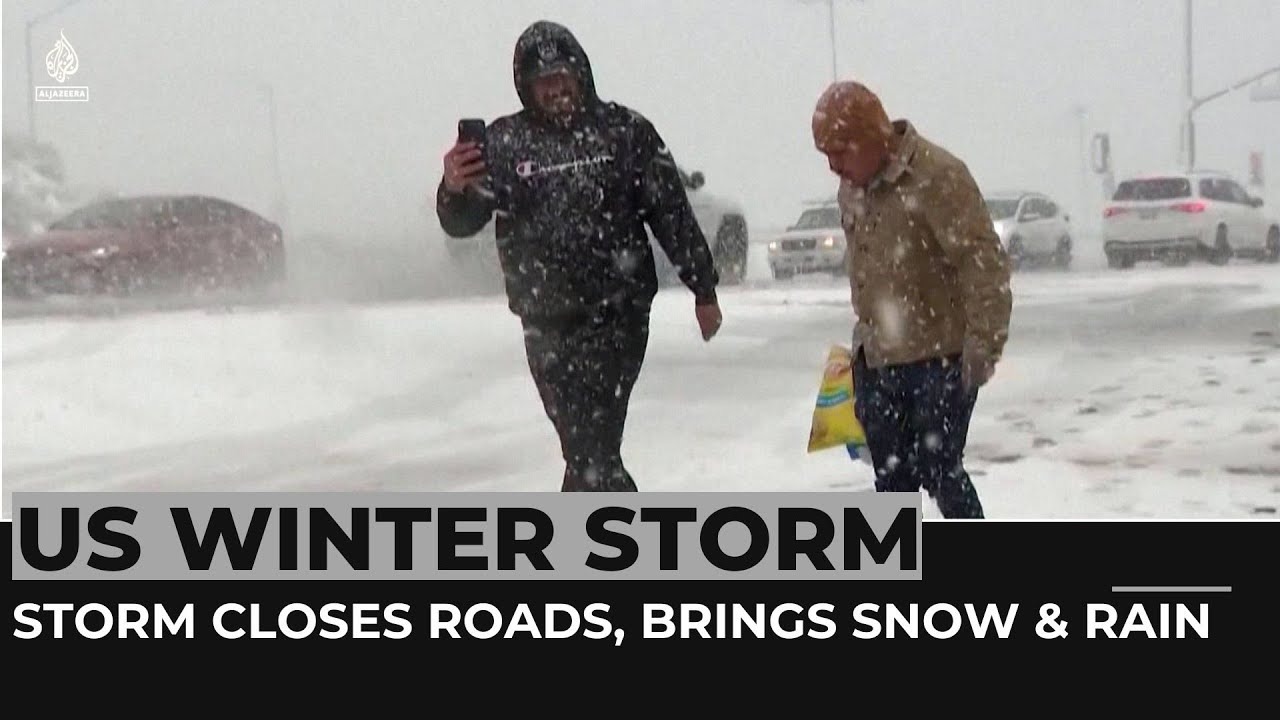
It began as a quiet tapping against the windows, a delicate rhythm that sounded almost peaceful. In neighborhoods across Tennessee, families settled in for what they thought would be another winter evening. But as the hours passed, the soft patter hardened into something heavier. Trees bowed under a glassy coating. Power lines sagged. Roads shimmered under streetlights like polished mirrors. By morning, more than 288,000 households were without electricity, and communities throughout Middle Tennessee were confronting a rare and overwhelming ice storm.
According to reports highlighted by NewzTimes21.com, relentless freezing rain had transformed the region into a landscape of crystal-coated branches and silent streets. An official described conditions as “extremely critical,” reflecting the mounting strain on infrastructure and daily life. Yet beyond the immediate disruption lies a deeper story, one that blends science, history, and the enduring human fascination with powerful natural events.
This article explores the freezing rain emergency from two perspectives. First, the scientific mechanisms that create such storms and explain their impacts. Second, the cultural and symbolic meanings ice storms have carried across generations. Together, these views help us understand not only what happened, but why such moments resonate so strongly in our collective imagination.
Understanding Freezing Rain: The Science Behind the Storm
Freezing rain is often confused with sleet or snow, but it forms through a precise set of atmospheric conditions. Meteorologists at the National Weather Service explain that freezing rain develops when snowflakes fall from cold upper layers of the atmosphere into a warmer layer, where they melt into raindrops. As those droplets continue downward, they pass through a shallow layer of subfreezing air just above the ground. The droplets do not have time to refreeze in midair. Instead, they freeze instantly upon contact with surfaces that are at or below freezing.
The result is glaze ice, a smooth, transparent coating that can accumulate rapidly. Even a thin layer can create dangerous travel conditions. When ice thickness increases to a quarter inch or more, the weight begins to strain tree limbs and power lines. At half an inch or greater, structural stress multiplies dramatically.
In Tennessee’s recent event, hours of continuous freezing rain allowed ice to build layer upon layer. The effect was cumulative. Each drop that landed reinforced the previous coating. Tree branches, already heavy, bent further. Utility lines sagged under the increasing load. Roofs bore the added pressure of frozen accumulation. The situation escalated not because of a single dramatic moment, but because of persistence.
Scientists at the National Oceanic and Atmospheric Administration note that ice storms are among the costliest winter weather events in the United States due to infrastructure damage and widespread power interruptions. Unlike snow, which can be plowed and cleared, glaze ice adheres tightly to surfaces and resists removal.
Why Ice Storms Feel So Overwhelming
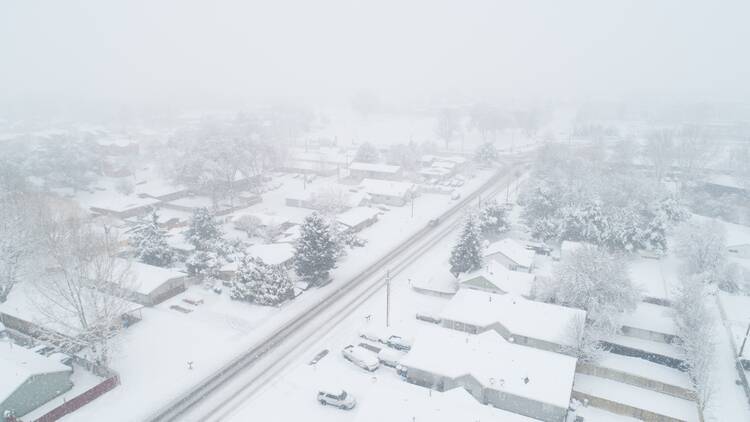
There is a psychological dimension to freezing rain that sets it apart from other storms. Snow often evokes images of calm and beauty. Thunderstorms announce themselves with noise and movement. Ice storms, by contrast, can feel deceptively quiet. The world becomes still. Sound is muffled. Streets appear smooth and reflective.
Then, occasionally, a sharp crack echoes through the air as a limb gives way under pressure. Residents in affected areas described hearing branches snap in the night, a reminder of the invisible forces at work. The silence between those sounds can heighten anxiety, especially when electricity flickers or disappears entirely.
Extended power outages compound the stress. Without heating systems and lighting, households must adapt quickly. Communication can be disrupted. Travel becomes nearly impossible as roads turn into solid sheets of ice. Emergency responders face challenges navigating slick surfaces while trying to assist stranded drivers and restore essential services.
Cultural Meanings of Ice and Winter
Long before modern meteorology explained freezing rain, communities sought meaning in extreme winter events. In folklore across Europe and North America, ice symbolized both preservation and pause. It represented nature’s ability to slow the world, to force reflection and stillness.
Some traditions viewed thick ice as a sign of endurance, a seasonal test that communities must weather together. Others interpreted unusual winter storms as reminders of nature’s unpredictability. While contemporary science provides clear explanations for freezing rain, cultural memory still shapes how people respond emotionally.
In literature, ice often appears as a metaphor for resilience or isolation. A frozen landscape can signify hardship, but also clarity and renewal once thaw arrives. In that sense, ice storms occupy a symbolic space between challenge and transformation.
It is important, however, to separate poetic interpretation from physical reality. The recent storm in Tennessee was not a mystical event or an omen. It was the result of atmospheric conditions aligning in a specific way. Yet the human impulse to assign deeper meaning reflects our desire to connect personal experience with broader narratives.
Infrastructure Under Strain
Modern cities rely on interconnected systems. Electricity powers heating, refrigeration, communication networks, and water treatment facilities. When ice coats power lines, the added weight can cause lines to sag or fail. Falling branches can bring lines down as well.
Utility companies often prepare for winter storms by trimming trees near lines and reinforcing vulnerable components. However, prolonged freezing rain can overwhelm even well-maintained systems. Restoration becomes a complex process requiring crews to locate damage, clear debris, and safely repair connections.
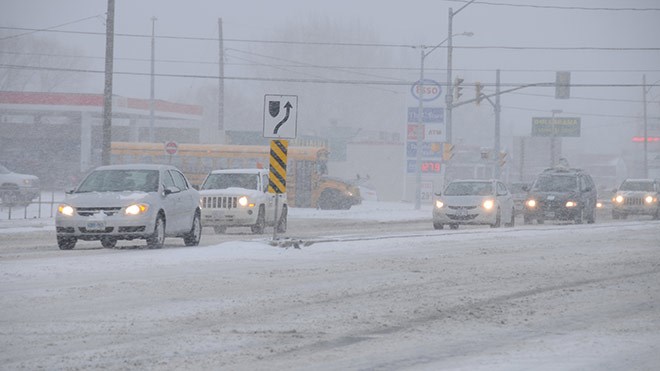
Transportation infrastructure also faces challenges. Bridges freeze faster than roadways because cold air circulates above and below them. Elevated surfaces, overpasses, and untreated secondary roads become especially hazardous. Airports may suspend operations until runways are cleared and treated.
In residential areas, roofs must withstand additional weight from ice accumulation. Building codes typically account for snow loads, but glaze ice behaves differently. It adheres tightly and adds concentrated weight along edges and gutters. Homeowners are advised not to attempt removal without proper equipment and safety guidance.
:quality(70):focal(1486x1249:1496x1259)/cloudfront-us-east-1.images.arcpublishing.com/shawmedia/B4SVXXZUYRFARH5PM2PAVE2UZQ.jpg)
Climate Patterns and Changing Risks
A common question following severe winter events is whether climate change plays a role. Researchers emphasize that while global temperatures are rising, regional weather patterns remain complex. Warmer air can hold more moisture, potentially increasing the intensity of precipitation events. At the same time, fluctuating temperature layers in the atmosphere may create conditions favorable for freezing rain in certain regions.
Scientists caution against attributing any single storm solely to long term climate trends. Instead, they study patterns over decades to identify shifts in frequency or intensity. Some studies suggest that parts of the southeastern United States could experience changes in winter precipitation types as atmospheric dynamics evolve.
For residents of Middle Tennessee, preparedness remains essential regardless of broader climate debates. Ice storms have occurred historically in the region and are likely to occur again. Planning for resilience is more practical than speculating about isolated causes.
Community Response and Solidarity
Amid the disruption, stories of cooperation often emerge. Neighbors check on one another. Community centers open warming stations. Utility workers labor around the clock to restore power. First responders navigate hazardous roads to assist those in need.
Public officials encourage residents to stay indoors when possible, conserve phone battery life, and avoid unnecessary travel. Small actions, such as sharing supplies or offering shelter, can make a meaningful difference.
Social media also plays a role in modern emergencies. Real time updates help people track outages and road conditions. However, authorities remind residents to rely on verified sources to avoid misinformation. Accurate forecasts and official guidance are critical during rapidly changing situations.
Lessons from the Ice
Every significant weather event offers lessons. For individuals, it may highlight the importance of emergency kits containing flashlights, batteries, nonperishable food, and water. For communities, it may prompt discussions about strengthening infrastructure or expanding tree maintenance programs.
From a scientific perspective, each storm provides valuable data. Meteorologists analyze temperature profiles, precipitation rates, and accumulation patterns to improve forecasting models. Enhanced prediction allows earlier warnings, giving residents more time to prepare.
From a cultural standpoint, shared experience reinforces collective memory. Years from now, people may recall where they were when the ice coated the city and power went out. Such memories become part of local history, shaping how future generations perceive winter storms.
Moving Forward After the Freeze
As temperatures rise and ice begins to melt, the landscape gradually returns to normal. Branches shed their glassy coating. Roads regain traction. Power is restored home by home. The transformation can feel almost miraculous, though it follows predictable physical processes.
Recovery may take days or longer, depending on the extent of damage. Cleanup crews remove fallen debris. Insurance assessors evaluate property impacts. Families restock supplies and reflect on what they might do differently next time.
In the end, the freezing rain emergency in Nashville and across Tennessee serves as a reminder of nature’s complexity. Ice storms are neither mystical punishments nor random anomalies. They are the product of atmospheric physics interacting with human infrastructure.
Yet even with scientific explanations in hand, there remains a sense of awe when the world turns to glass overnight. That awe is not rooted in fear alone. It is connected to curiosity, to the enduring human desire to understand forces larger than ourselves.
Conclusion: Curiosity in the Cold
When freezing rain blankets a city, daily routines pause. The familiar becomes fragile. Trees that seemed permanent bend under invisible weight. Streets that carried traffic hours earlier become reflective and still.
Science explains how supercooled droplets freeze on contact. Engineers explain why power lines sag. Meteorologists map temperature layers in the sky. But beyond the equations and models lies something equally important: the human response.
We watch, we adapt, we learn. We tell stories about what we witnessed. We seek both practical solutions and deeper meaning. In doing so, we transform a disruptive storm into an opportunity for reflection and resilience.
The ice will melt. Power will return. Roads will clear. What remains is knowledge gained and a renewed respect for the delicate balance between atmosphere and earth. Events like the Tennessee ice storm remind us that curiosity is one of our greatest strengths. It drives us to study weather patterns, strengthen communities, and prepare for whatever the next season may bring.
Sources
NewzTimes21.com. BREAKING: FREEZING RAIN SLAMS Tennessee.
National Weather Service. Freezing Rain and Ice Storm Safety Information.
National Oceanic and Atmospheric Administration. Winter Storm Impacts and Climate Data.