


We provides general health information for educational purposes only. This content is not intended to diagnose, treat, cure, or prevent any medical condition. Always consult a qualified healthcare professional for personalized medical advice.
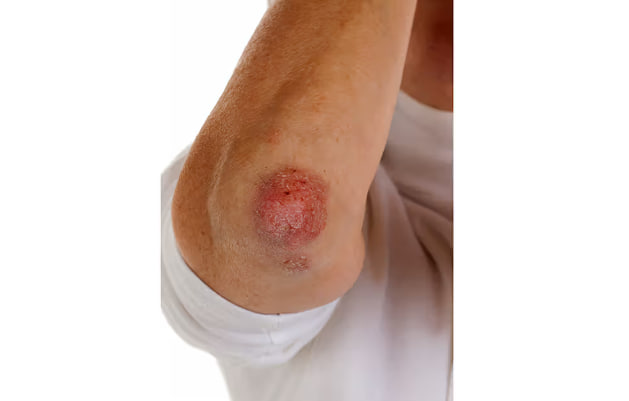
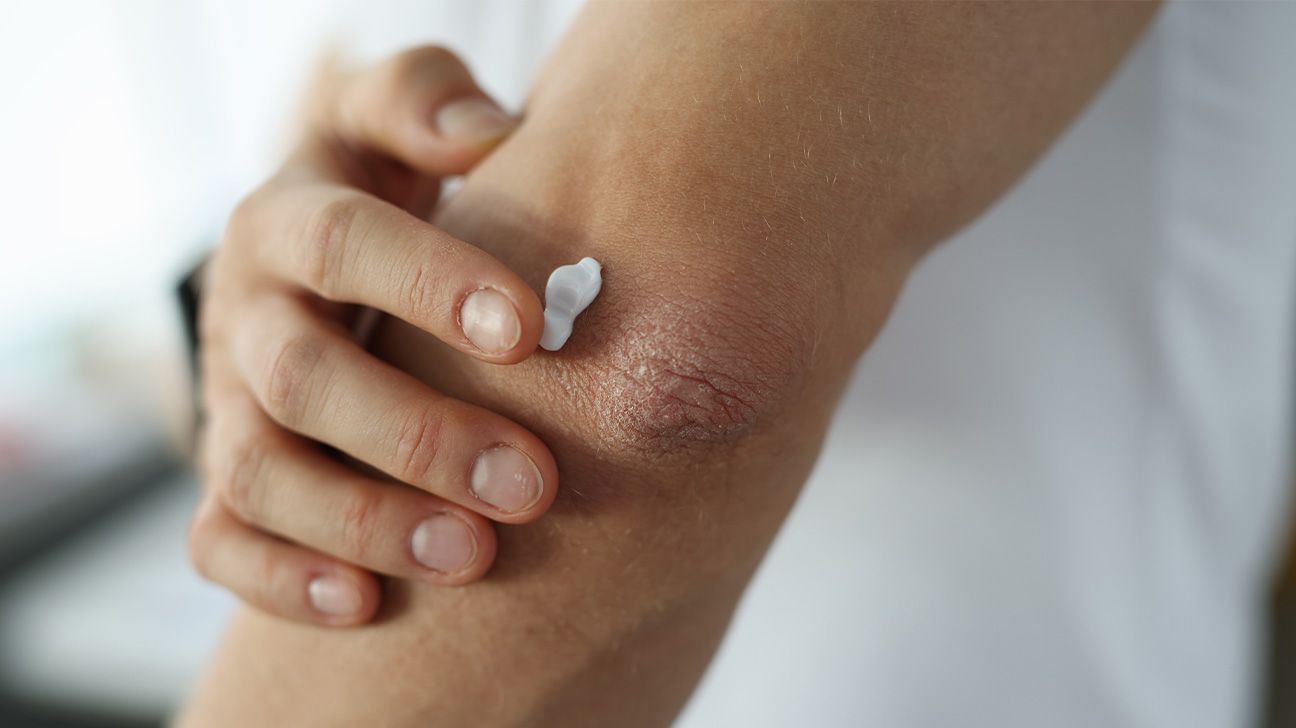
Itchy, scaly patches on the elbows are a common skin concern, especially in areas where clothing frequently rubs against the skin. The elbows are particularly prone to dryness and irritation because the skin there is thicker, experiences constant movement, and produces less natural oil than other parts of the body. When symptoms persist and a medical appointment is still weeks away, it can be frustrating to manage discomfort without clear answers.
Although an in-person medical evaluation is the best way to determine the exact cause, there are evidence-based steps that may help reduce irritation, support the skin barrier, and prevent symptoms from worsening in the short term. This article explains common causes of itchy elbow patches, safe at-home care options, and practical lifestyle adjustments supported by dermatology guidance from reputable medical organizations.
Common Causes of Itchy, Scaly Skin on the Elbows
Dry Skin and Irritant Dermatitis
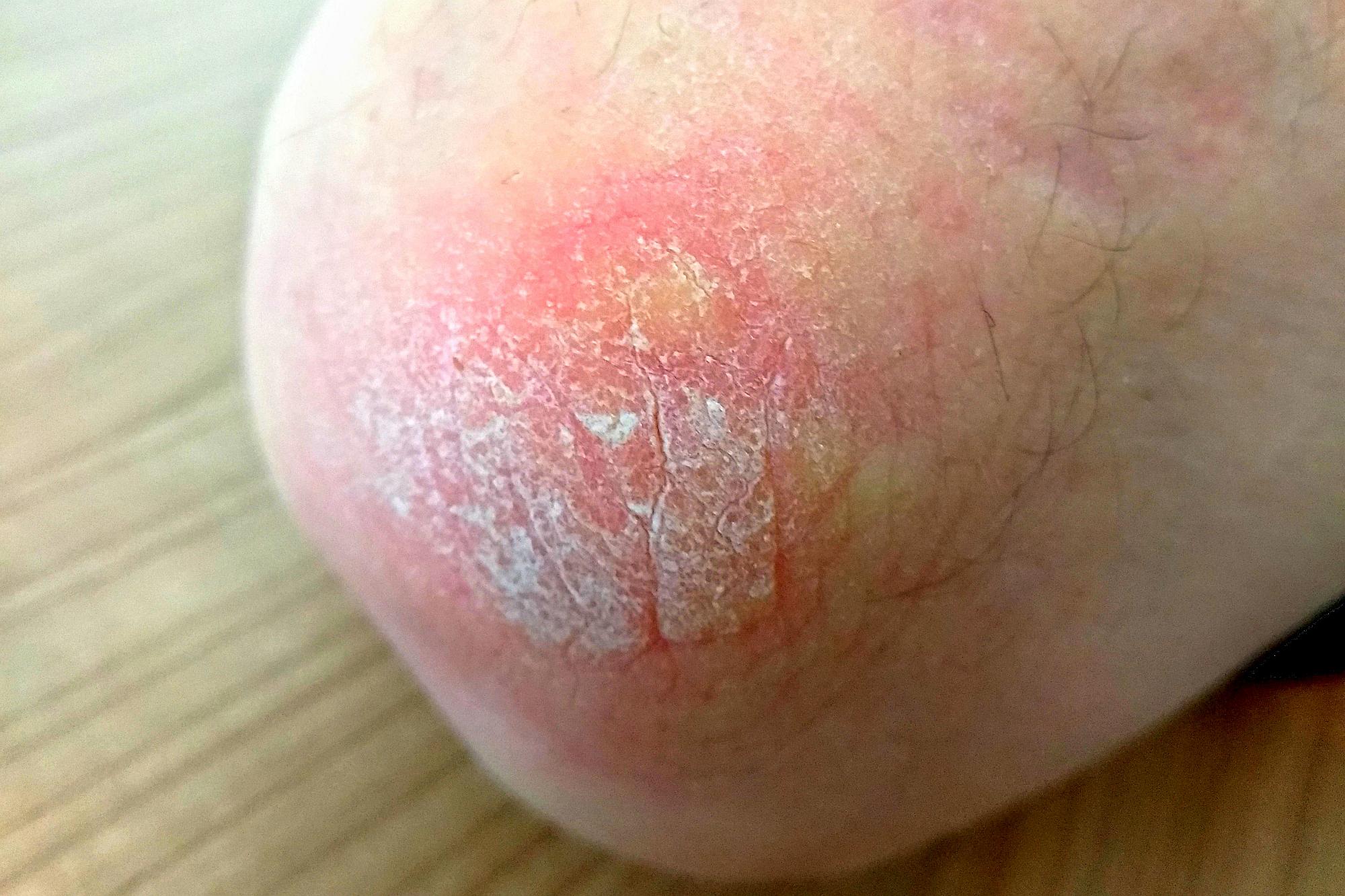
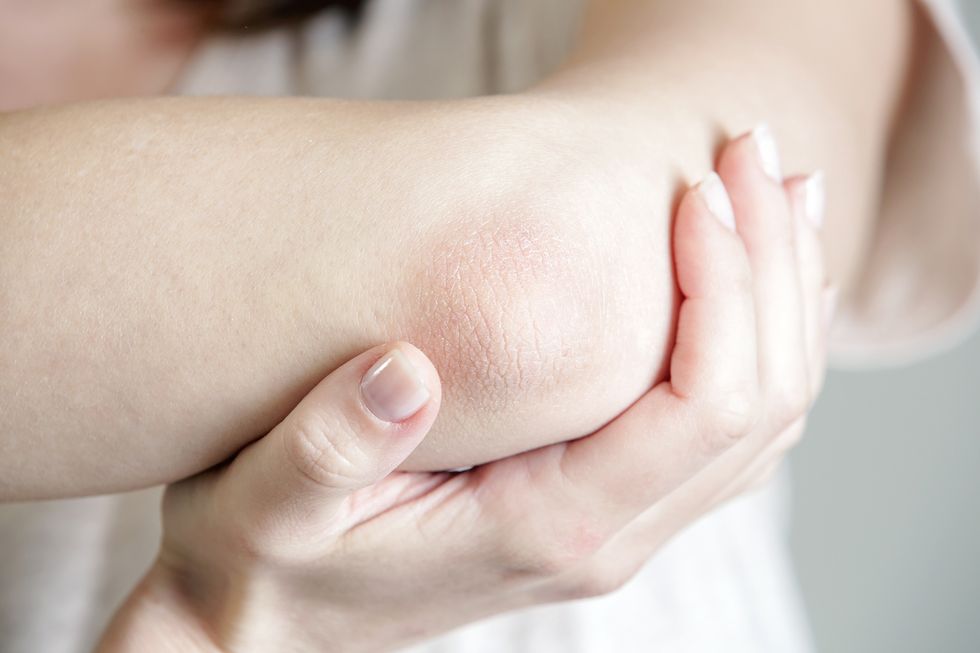
Dry skin, also known as xerosis, is one of the most frequent causes of itching and flaking on the elbows. According to dermatology associations, dry skin can worsen due to low humidity, cold weather, frequent washing, or exposure to harsh soaps. Friction from clothing can further disrupt the skin barrier, leading to irritation and scaling.
Irritant contact dermatitis may develop when repeated rubbing or exposure to irritating fabrics, detergents, or chemicals damages the outer layer of the skin. This can result in redness, rough texture, and itching.
Friction-Related Eczema
Eczema, also called atopic dermatitis, can flare in areas exposed to friction, including elbows. Medical sources describe eczema as a condition involving impaired skin barrier function, leading to dryness, inflammation, and itchiness. People with sensitive skin or a personal or family history of eczema may be more susceptible.
Friction-related eczema often appears as thickened, rough patches that may darken or redden over time. Symptoms may persist despite basic moisturizing.
Signs That Suggest Routine Irritation vs. a Need for Medical Care
Mild irritation from dryness or friction often improves with consistent moisturizing and reduced exposure to triggers. Symptoms that may respond to home care include light flaking, tightness, and mild itching.
However, medical organizations advise seeking prompt evaluation if any of the following occur:
-
Rapid spreading of the affected area
-
Persistent redness or swelling
-
Crusting, drainage, or warmth of the skin
-
Systemic symptoms such as fever
-
No improvement after several weeks of appropriate skin care
These signs can indicate infection or another skin condition requiring professional treatment.
Moisturizers That Support the Skin Barrier

Consistent moisturization is widely recognized as the foundation of managing dry and irritated skin. Dermatology guidelines recommend using thick creams or ointments rather than lotions, as they provide better barrier protection.
Ingredients supported by clinical dermatology research include:
-
Ceramides, which help restore the natural skin barrier
-
Glycerin, a humectant that draws water into the skin
-
Petrolatum, which reduces moisture loss
-
Urea or lactic acid at low concentrations, which can improve hydration and texture
Moisturizers are most effective when applied immediately after bathing, while the skin is still slightly damp.
Over-the-Counter Options for Short-Term Symptom Relief
Low-strength hydrocortisone creams are commonly recommended by healthcare authorities for temporary relief of itching and inflammation. These products are intended for short-term use and should be applied according to label instructions.
Pharmacists and medical guidelines caution against prolonged or excessive use of topical steroids without medical supervision, as inappropriate use may affect skin integrity.
Products labeled as fragrance-free and formulated for sensitive skin are generally preferred to reduce the risk of irritation.
Clothing Choices That May Reduce Elbow Irritation
Friction and trapped moisture can aggravate itchy patches. Dermatology experts often recommend:
-
Wearing loose-fitting clothing
-
Choosing breathable, natural fibers such as cotton
-
Avoiding rough seams or tight sleeves that rub the elbows
-
Removing clothing tags that contact irritated skin
Laundry detergents labeled as hypoallergenic or free from dyes and fragrances are often better tolerated by sensitive skin.
Bathing and Cleansing Habits That Protect the Skin
Excessive washing and hot water can worsen dryness by stripping natural oils from the skin. Medical skin care recommendations include:
-
Using lukewarm rather than hot water
-
Limiting bathing time
-
Selecting gentle, fragrance-free cleansers
-
Avoiding scrubbing the elbows with abrasive tools
After washing, gently pat the skin dry and apply moisturizer promptly.
Simple Comfort Measures at Home
Cool compresses may help soothe itching temporarily by reducing skin temperature and calming nerve signals associated with itch. Applying a clean, cool, damp cloth to the elbows for short periods can offer relief without damaging the skin.
Stress management techniques such as adequate sleep and relaxation exercises may also be beneficial, as psychological stress is recognized by medical research as a potential trigger for eczema flares.
Habits That Can Delay Healing
Scratching can worsen inflammation and disrupt the skin barrier, increasing the risk of secondary infection. Dermatology guidelines suggest keeping fingernails trimmed and covering affected areas if nighttime scratching is a concern.
Picking or peeling scaly skin can also delay healing and should be avoided.
Other Conditions That May Affect the Elbows
If symptoms do not improve, healthcare professionals may evaluate for other conditions, including:
-
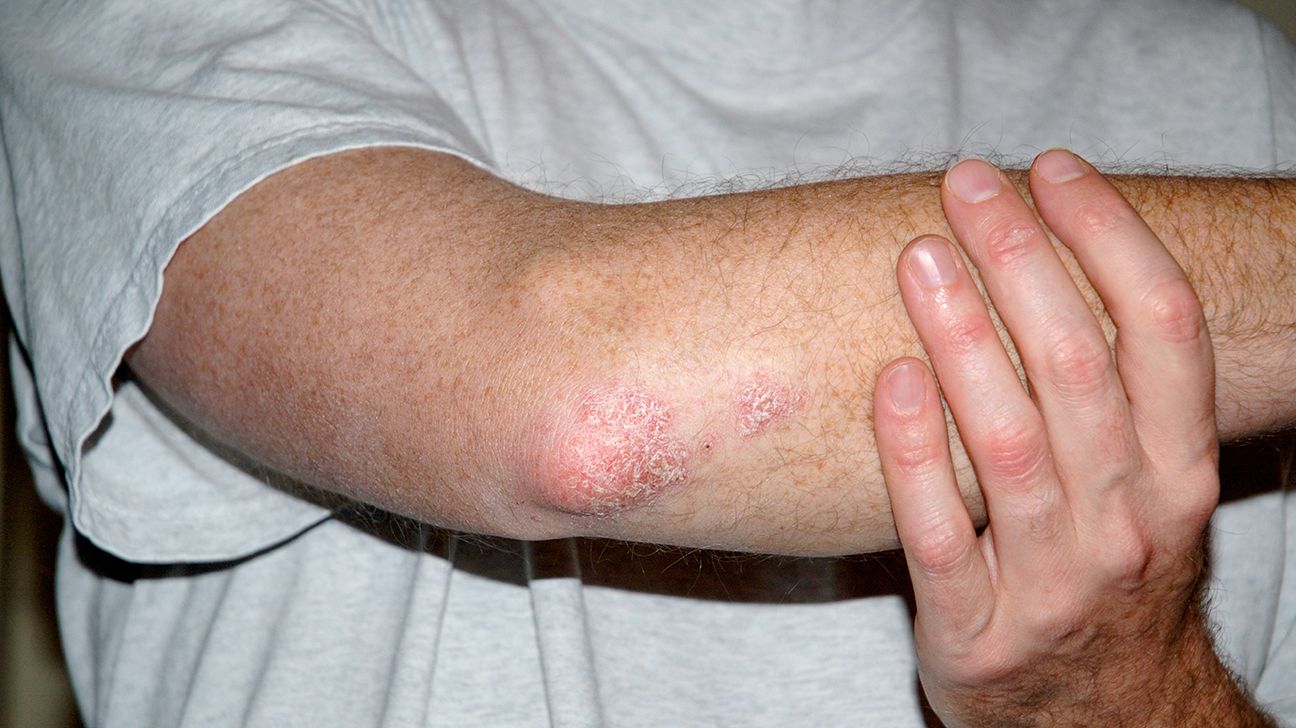
Psoriasis, which often presents as well-defined, scaly patches on elbows and knees
-
Allergic contact dermatitis, triggered by specific materials or products
-
Fungal or bacterial skin infections, which require targeted treatment
Only a qualified medical professional can confirm a diagnosis.
What to Track Before Your Medical Appointment
Keeping notes can help your healthcare provider assess your condition more accurately. Useful details include:
-
When symptoms began
-
Whether they change with weather, clothing, or activities
-
Products used and their effects
-
Any personal or family history of skin conditions
Photographs taken over time may also help document changes.
Interim Support Options While Waiting for Care
Telehealth services, pharmacists, and nurse advice lines can provide general guidance on symptom management and appropriate over-the-counter products. These resources do not replace an in-person exam but may help manage symptoms responsibly in the interim.