


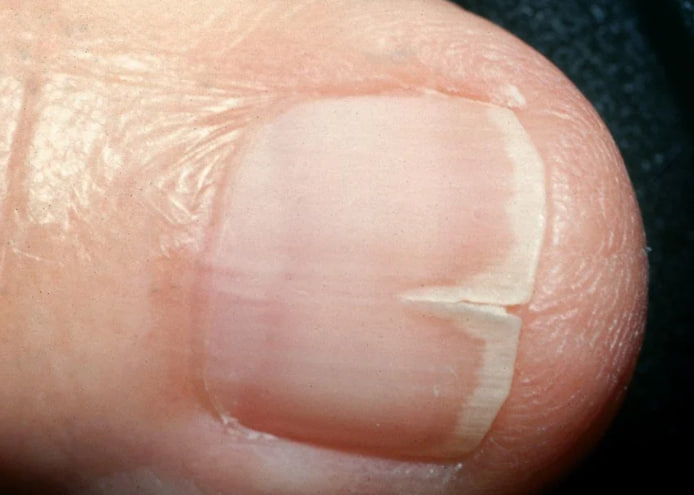
Our fingernails do much more than protect the sensitive tips of our fingers. They quietly reflect daily habits, environmental exposure, and sometimes even broader aspects of overall wellness. That is why it can feel unsettling when nails begin to split straight down the middle instead of simply chipping or peeling at the edges. This type of splitting is often uncomfortable, can catch on clothing, and may make people worry that something serious is going on.
The good news is that, in most cases, vertical nail splitting has common and manageable explanations. Understanding how nails grow, why these splits form, and what everyday factors contribute to them can help you take practical steps toward healthier nails. This article explores both the science behind nail structure and the lifestyle factors that may be affecting your nails, while keeping a balanced, evidence-based perspective.
What It Means When Nails Split Straight Down
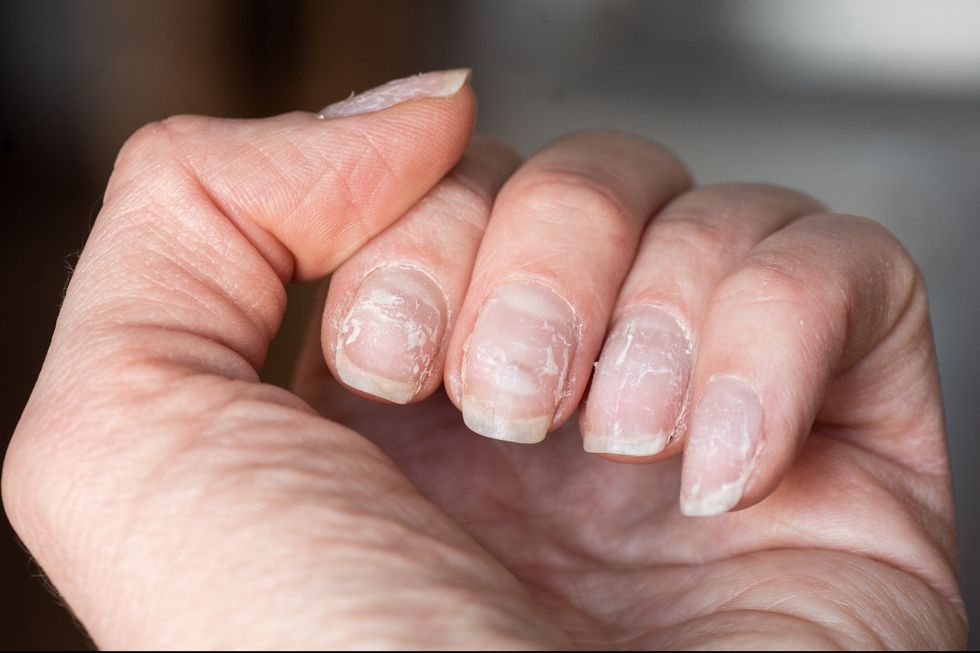
When a nail splits lengthwise from the tip toward the cuticle, it is often associated with a condition known as onychorrhexis. This term describes nails that develop vertical ridges, cracks, or splits along their length. Unlike surface chipping, which usually happens from impact or wear at the nail edge, vertical splitting tends to originate deeper within the nail structure.
This pattern suggests that the nail plate may be weaker than usual or growing unevenly. While this can look alarming, it is often linked to dryness, repeated minor stress, or age-related changes rather than a serious underlying issue. Paying attention to how many nails are affected, how long the problem has been present, and whether other changes appear can offer helpful clues.
How Nail Growth Works and Where Splits Begin
To understand why nails split this way, it helps to know how they grow. Fingernails are made primarily of keratin, a strong protein also found in hair and skin. Nail growth starts in the matrix, an area hidden beneath the cuticle at the base of the nail. New cells form there and gradually push older cells forward, creating the hard nail plate we see.
If the matrix or surrounding structures are disrupted, even subtly, the nail that grows out may have weak points. These weak areas can eventually turn into vertical splits, especially when the nail is exposed to repeated stress. Because nails grow slowly, it can take weeks or even months for changes in the matrix to become visible on the nail surface.

Everyday Habits That Put Stress on Nails
Many people are surprised to learn how much daily activity affects nail health. Typing for long hours, frequent use of touchscreens, playing instruments, or performing tasks that involve repeated tapping or pressure can all strain the nail plate over time.
Using nails as tools, such as to open packaging or scrape surfaces, can create tiny cracks that worsen gradually. Nail picking or biting can have a similar effect, weakening the nail from the top down. Keeping nails trimmed, smooth, and slightly rounded can reduce the chance of stress concentrating along a single line where a split might form.
Dryness and Loss of Flexibility
One of the most common reasons nails split vertically is dryness. Healthy nails have a balance of moisture that allows them to flex slightly instead of cracking. When nails become too dry, they lose this flexibility and are more likely to split under pressure.
Frequent handwashing, exposure to cleaning products, and dry indoor air can all strip nails of natural oils. Seasonal changes can also play a role, with colder or drier weather often making splitting more noticeable. Regular use of hand creams and nail oils, especially after washing hands, can help restore moisture and improve nail resilience.
Nutritional Factors That Influence Nail Strength
Nails can sometimes reflect nutritional patterns, especially when changes are persistent. Iron is one nutrient commonly associated with nail strength, and low iron levels have been linked to brittle or splitting nails in some people. Biotin, a B vitamin, also plays a role in keratin production and nail integrity.
A balanced diet that includes a variety of protein sources, fruits, vegetables, whole grains, and healthy fats supports nail growth over time. Foods such as leafy greens, eggs, nuts, seeds, legumes, and lean proteins are often highlighted for their nutrient content. Supplements may be helpful in certain cases, but it is generally best to discuss them with a healthcare professional before starting.

Aging, Genetics, and Natural Nail Changes
As people age, changes in nail texture and strength are very common. Nail growth may slow, and the nail plate can become thinner or more ridged. These changes can make nails more prone to splitting, even with gentle use.
Genetics also play a role. Some individuals naturally have more fragile nails regardless of lifestyle or care habits. While genetic tendencies cannot be changed, consistent nail care, moisture, and protection can still make a noticeable difference in appearance and comfort.
Cosmetic Treatments and Chemical Exposure
Manicures, gel polish, acrylic nails, and frequent polish removal can all affect nail health over time. Some products and removal agents are drying, which may contribute to brittleness if used often without breaks in between.
Allowing nails to rest between cosmetic treatments, choosing gentler removal methods when possible, and applying strengthening or moisturizing base coats can help minimize damage. Wearing gloves while cleaning or using household chemicals also reduces unnecessary exposure that can weaken nails.
Skin and Nail Conditions That May Contribute
Certain skin conditions, such as eczema or psoriasis, can affect the nails as well. In these cases, inflammation around the nail matrix may interfere with normal growth, leading to ridges or splits. Onychorrhexis itself can be associated with these conditions, particularly when nail changes appear alongside skin symptoms.
Managing underlying skin conditions with appropriate care often improves nail appearance over time. A dermatologist can help identify whether nail changes are connected to a broader skin concern and recommend suitable treatments.
Medical Conditions and Medications
In some cases, nail changes reflect broader health patterns. Hormonal imbalances, circulation issues, or other long-term conditions may influence nail growth and strength. Certain medications are also known to affect nails as a side effect, especially those that impact rapidly dividing cells.
It is important to view nail changes in context. A single split nail is rarely meaningful on its own, but ongoing changes across multiple nails, especially when combined with other symptoms, may be worth discussing with a healthcare provider.
When to Seek Professional Advice
Most vertical nail splits are related to dryness, minor trauma, or gradual changes over time. However, if a split persists in the same spot, becomes painful, or is accompanied by noticeable color changes, professional evaluation can provide reassurance and guidance.
Healthcare providers and dermatologists are trained to distinguish between common nail concerns and less typical patterns. Seeking advice does not mean assuming the worst; rather, it is a practical step toward understanding what your nails are signaling.
Practical Ways to Strengthen Nails and Reduce Splitting
Dermatologists often recommend a combination of protection, hydration, and gentle care. Keeping nails neatly trimmed and lightly filed reduces snagging. Applying hand cream or nail oil daily helps maintain moisture. Wearing gloves during chores protects nails from excess water and chemicals.
Some people find benefit from nail-strengthening products or supplements, though results vary. Consistency is key, as nails grow slowly and improvements take time to become visible.
A Thoughtful Look at What Nails Can Teach Us
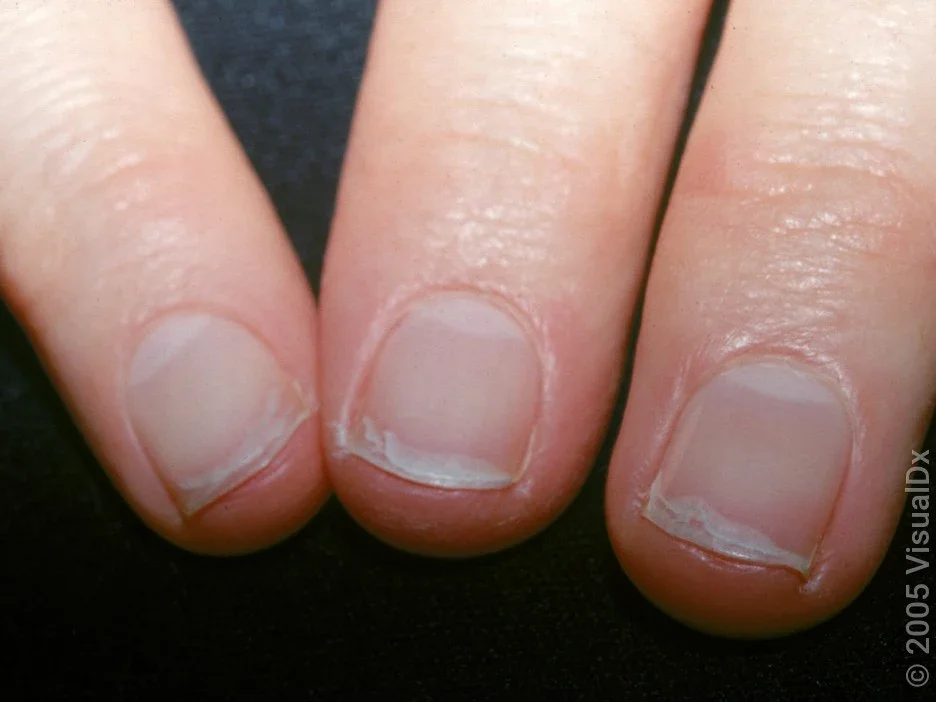
Vertical nail splitting can feel frustrating, but it is often the body’s quiet way of asking for a little extra care. Nails respond gradually to changes in habits, environment, and nutrition, making them a subtle record of daily life rather than a sudden warning sign.
By paying attention, staying curious, and choosing gentle, informed care, many people see meaningful improvements over time. In that sense, nails offer a reminder of how small, consistent actions can support overall well-being and encourage us to listen more closely to the signals our bodies provide.
Sources
American Academy of Dermatology. Nail health and common nail changes
Cleveland Clinic. Brittle nails and nail splitting
Mayo Clinic. Nail changes and what they may indicate
RemedyDaily.com content guidelines and educational resources
RemedyDaily.com does not provide medical advice, diagnosis, or treatment.