



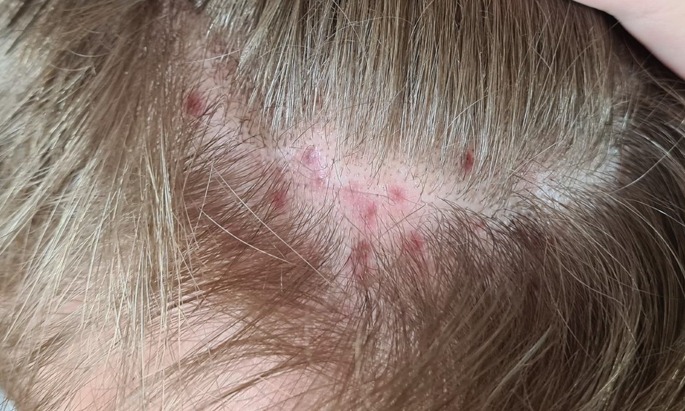
An itchy scalp dotted with small bumps can be more than a minor annoyance. It can affect sleep, concentration, and confidence, especially when the discomfort lingers and a medical appointment is still weeks away. Many people experience this issue at some point, and while a professional diagnosis is always the gold standard, there are practical, safe steps you can take in the meantime to calm irritation and better understand what may be happening.
This guide is designed to help you manage symptoms responsibly while you wait to see a healthcare professional. It focuses on gentle care, evidence-based over-the-counter options, and clear signals for when symptoms should not be ignored. Nothing here replaces medical advice, but it can help you feel more in control during the waiting period.
Understanding Why the Scalp Gets Itchy and Bumpy
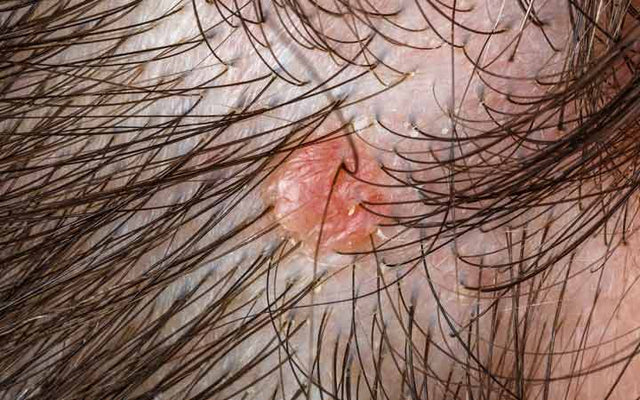
The scalp is skin, but it behaves differently from other areas of the body because of hair follicles, oil production, and frequent exposure to products. Small itchy bumps often develop when hair follicles become irritated or inflamed. This can happen for several reasons, including excess oil, product buildup, sweat, or sensitivity to certain ingredients.
One common possibility is scalp folliculitis, which involves inflammation around hair follicles. However, other conditions such as dandruff, contact irritation, or inflammatory skin conditions can look similar at first glance. That is why observation and gentle care are important before jumping to conclusions.
Is It Really Scalp Folliculitis or Something Else?
Scalp folliculitis typically appears as clusters of small bumps centered around hair follicles. They may look red or pale and can feel tender or itchy. Sometimes they resemble tiny pimples. Unlike general dryness, the irritation is often localized and may worsen with heat or sweat.
To get a clearer idea, examine your scalp in good lighting or ask someone you trust to help check areas you cannot see easily. Think about recent changes such as a new shampoo, styling product, hat, or exercise routine. While self-checks cannot replace a diagnosis, they can help you notice patterns that are useful later when you speak with a doctor.
Symptoms That Mean You Should Not Wait
Most mild scalp irritation can be managed conservatively for a short time, but some signs suggest that waiting is not a good idea. If the discomfort becomes intense, spreads rapidly, or is accompanied by feeling unwell overall, it is important to seek medical care sooner rather than later.
Other warning signs include swelling that extends beyond small bumps, increasing warmth of the skin, or noticeable discharge. These symptoms may indicate a deeper issue that requires prompt evaluation. When in doubt, it is always safer to err on the side of professional care.
Simple Hygiene Changes That Can Calm the Scalp
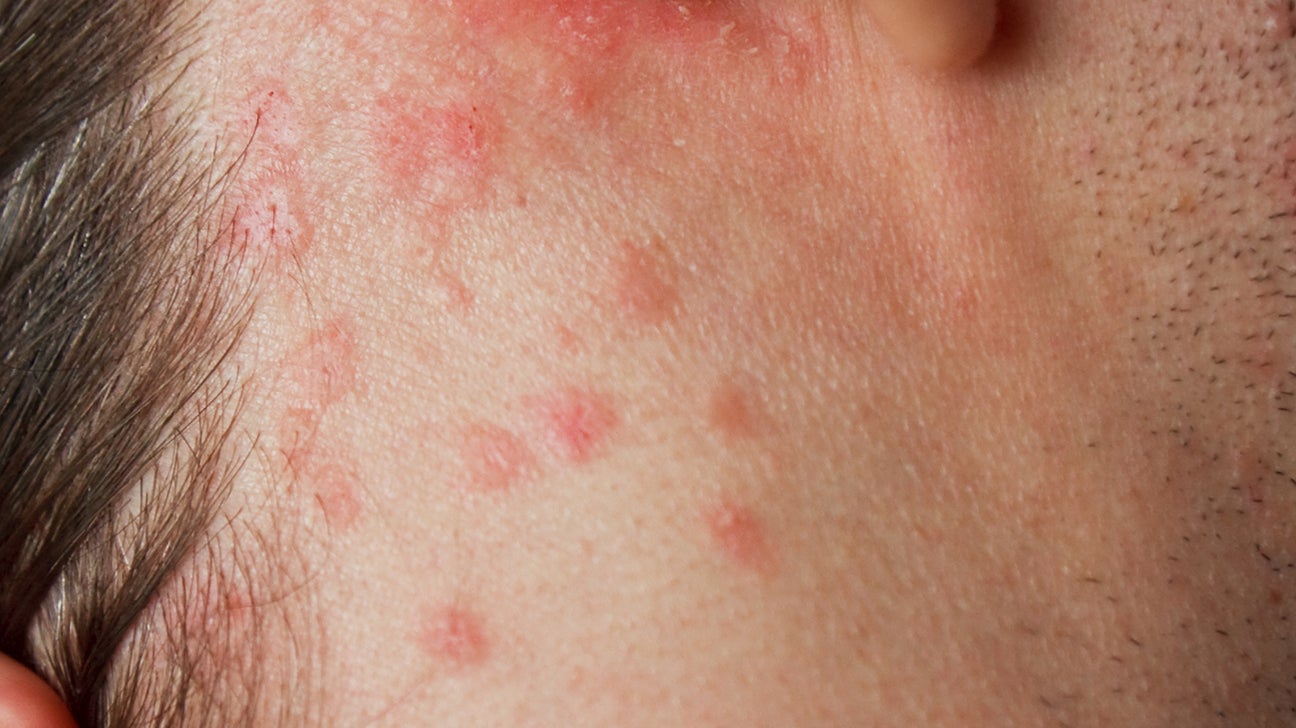
Gentle hygiene is one of the most effective first steps. Wash your hair regularly using lukewarm water, as very hot water can strip the scalp’s natural oils and worsen irritation. Focus on cleansing the scalp rather than aggressively scrubbing.
Make sure brushes, combs, and hair accessories are clean. These items can collect oil and residue over time. Washing them weekly with warm water and mild soap can reduce the chance of reintroducing irritants. Avoid sharing personal hair tools or towels, as this can increase the risk of irritation or imbalance.
Shampoo Ingredients Often Recommended by Specialists
The choice of shampoo matters when dealing with scalp bumps. Many dermatology professionals recommend formulas that include ingredients known for supporting scalp balance. Salicylic acid can help gently exfoliate and reduce buildup. Zinc-based ingredients are commonly used to support scalp comfort and manage flaking. Ketoconazole is often found in antifungal shampoos and may help when yeast imbalance is suspected.
When using these shampoos, it is usually helpful to let the lather sit on the scalp for a few minutes before rinsing. This gives the active ingredients time to work. At the same time, avoid harsh fragrances or strong cleansing agents, which can worsen sensitivity.
Over-the-Counter Options to Soothe Itching
In addition to shampoo, there are non-prescription products that may help reduce discomfort. Mild hydrocortisone creams or lotions designed for skin can sometimes be used sparingly on the scalp to calm itching. Always follow label instructions and avoid prolonged use unless advised by a professional.
Some people find relief with diluted tea tree oil products, as tea tree oil is known for its cleansing and soothing properties. It is important to use properly diluted products and perform a patch test first, as natural ingredients can still cause irritation in sensitive individuals.
Habits to Stop Even If They Feel Tempting
Scratching is one of the hardest habits to break, especially when itching feels intense. However, scratching can worsen irritation and prolong healing. Keeping nails trimmed and gently pressing or massaging through a cloth instead of scratching directly can help reduce damage.
It is also wise to pause the use of styling products that contain drying alcohols or strong hold agents. Heat styling tools can further irritate the scalp, so giving your hair a break from blow dryers and straighteners may help calm symptoms.
How Hairstyles, Hats, and Bedding Can Contribute
Tight hairstyles can place stress on hair follicles and contribute to irritation. Choosing looser styles allows the scalp to breathe and reduces tension. If you wear hats regularly, make sure they are clean and made from breathable materials.
Pillowcases can also play a role. Oils, sweat, and product residue can build up on fabric. Changing pillowcases every few days and choosing soft, breathable materials like cotton can support scalp comfort during sleep.
Lifestyle Factors That Influence Scalp Health
Sweat can be a trigger for scalp irritation, particularly if it stays on the skin for long periods. Washing hair after heavy sweating can help maintain balance. Stress is another factor that affects the skin, including the scalp. While stress alone does not cause scalp conditions, it can influence how the body responds to irritation.
Simple stress-management techniques such as deep breathing, light exercise, or short relaxation routines may support overall skin health. A balanced diet and regular hydration also play a role in maintaining healthy skin function.
When the Issue May Be Fungal Rather Than Bacterial
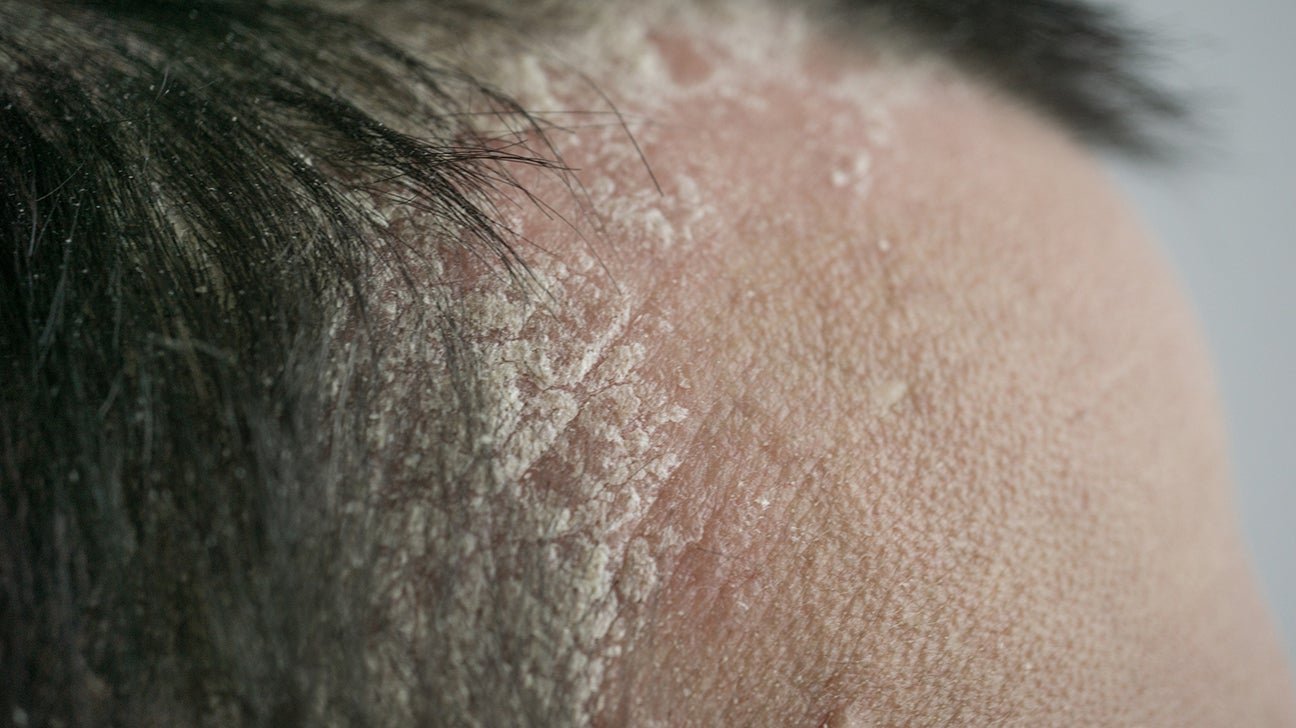
Not all scalp bumps are the same. Some conditions are linked to fungal imbalance rather than follicle irritation. These often come with flaking or scaling in addition to itching. Over-the-counter antifungal shampoos containing ketoconazole or selenium-based ingredients are commonly used in these cases.
If you notice persistent flaking alongside bumps, rotating an antifungal shampoo into your routine a few times a week may help while you wait for professional guidance.
Tracking Symptoms to Prepare for Your Appointment
Keeping a simple record can make your doctor visit more productive. Note when the bumps first appeared, how they have changed, and what seems to make them better or worse. Write down the products you use and any recent changes to your routine.
Taking clear photos of the scalp over time can also be helpful, especially if symptoms fluctuate. This information provides valuable context for a healthcare professional and may speed up diagnosis.
Questions Worth Asking Your Doctor
When your appointment arrives, having questions ready can help you get clear answers. Ask what the most likely cause of your symptoms is and whether testing is necessary. Discuss treatment options and what to expect in terms of improvement.
It is also useful to ask about prevention strategies and whether any lifestyle or product changes could reduce the risk of future flare-ups. Open communication ensures you leave the appointment feeling informed rather than uncertain.
A Calm, Informed Approach While You Wait
An itchy, bumpy scalp can feel overwhelming, but many cases improve with gentle care and informed choices. By focusing on hygiene, avoiding known irritants, and using evidence-based over-the-counter options, you can often reduce discomfort while waiting to see a professional.
Most importantly, remember that scalp conditions are common and manageable. Paying attention to your symptoms without panic and preparing thoughtfully for your appointment puts you in a strong position to get the help you need.
Sources
RemedyDaily.com, “My Scalp Keeps Breaking Out in Itchy Little Bumps, and I Won’t See a Doctor for Weeks. What Can I Do Now?”
American Academy of Dermatology, resources on scalp conditions and folliculitis.
National Institutes of Health, information on skin and scalp health.
Mayo Clinic, guidance on itchy scalp causes and treatments.
RemedyDaily.com does not provide medical advice, diagnosis, or treatment.