

Rosa and Josefa Blažek were among the most well-documented conjoined twins of the late 19th and early 20th centuries. Born in Central Europe during a period when medical science and public understanding of conjoined twins were limited, their lives became the subject of medical journals, newspaper reports, and public exhibitions across Europe and the United States. Their story is notable not for sensationalism, but for its historical, medical, and social significance.

Birth and Medical Background
Rosa and Josefa Blažek were born on January 20, 1878, in Skrejšov, a village in what was then the Kingdom of Bohemia, part of the Austro-Hungarian Empire (now the Czech Republic). They were conjoined twins, physically connected at the pelvis. Medical records from the time indicate that each sister had her own heart, lungs, and stomach, while sharing portions of the lower skeletal structure and some reproductive anatomy.
Conjoined twins occur as a result of incomplete separation of a single fertilized egg during early embryonic development. According to modern medical sources such as the National Institutes of Health (NIH) and peer-reviewed embryology studies, this phenomenon is rare and unpredictable. During the late 19th century, surgical separation of conjoined twins was extremely risky and rarely successful, especially when vital structures were shared.
Childhood and Education
Despite their physical connection, Rosa and Josefa were raised with attention to education and cultural development. Historical accounts indicate that they learned to read and write and were trained in music from a young age. Music became a central part of their public life, offering both income and a degree of independence.
By their teenage years, the sisters were performing publicly, primarily as musicians. They played instruments and sang, appearing at theaters, concert halls, and cultural exhibitions across Europe. Public performances by conjoined twins were not uncommon during this era, often framed as educational or medical curiosities rather than purely entertainment.
Public Life and Touring Career
Throughout the late 1890s and early 1900s, Rosa and Josefa toured extensively in countries including Germany, France, Austria, and later the United States. Newspaper archives from France and Central Europe document their appearances and describe them as skilled performers rather than novelties.
Their performances typically combined music with brief educational explanations about their condition, reflecting the period’s interest in anatomy and medical science. This approach helped distinguish their work from exploitative exhibitions, which were also common at the time.
Pregnancy and Motherhood
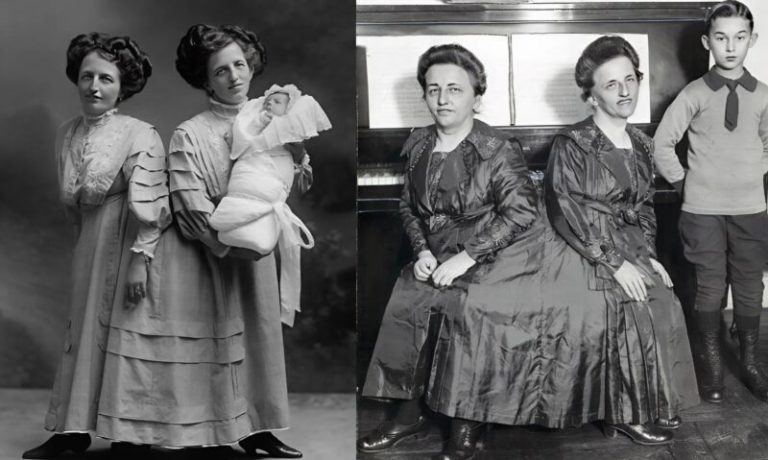
One of the most historically significant events in their lives occurred between 1909 and 1910, when it became publicly known that Rosa was pregnant. This development was widely reported in European newspapers and documented by physicians who examined the twins.
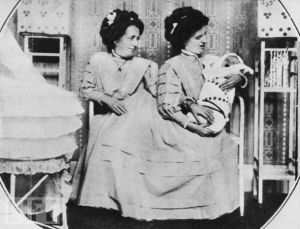
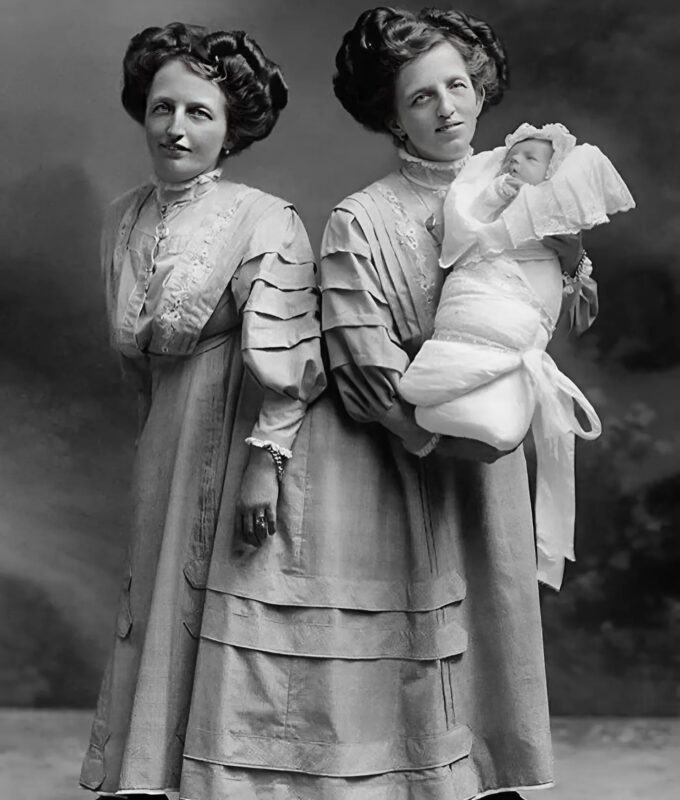
Medical sources from the era confirm that Rosa carried the pregnancy and gave birth to a healthy boy on April 16, 1910. The child was named Franz, often referred to in records as Franz Jr. The birth was closely observed by medical professionals due to its rarity and scientific interest.
Contemporary medical documentation indicates that both sisters were capable of lactation, a physiological response explained by shared blood circulation and hormonal signaling. This phenomenon has since been recognized in medical literature as possible in certain conjoined twin anatomies, according to modern endocrinology research.

Life After the Birth
Following the birth of Franz Jr., Rosa and Josefa continued to appear in public, sometimes accompanied by their child. Their presentations during this period focused on family life, resilience, and education, rather than sensationalism. The twins were often described as devoted caregivers, sharing responsibilities for the child’s upbringing.
Their story attracted attention not only from the general public but also from physicians and researchers studying reproductive health, anatomy, and endocrinology. Articles discussing their case appeared in early 20th-century medical journals, contributing to the scientific understanding of conjoined twins.
Later Years and Declining Health
By the early 1920s, the twins’ health began to decline. Historical medical reports indicate that Josefa developed a serious illness, later described in records as complications consistent with influenza or systemic infection, which were common causes of mortality at the time.
Doctors reportedly considered surgical separation as a theoretical option, but available medical knowledge and technology made such a procedure extremely dangerous. Separation surgeries involving shared pelvic structures had an exceptionally low survival rate during that era, according to surgical archives and historical analyses published by institutions such as the Royal College of Surgeons.
No surgical separation was performed.
Death and Legacy
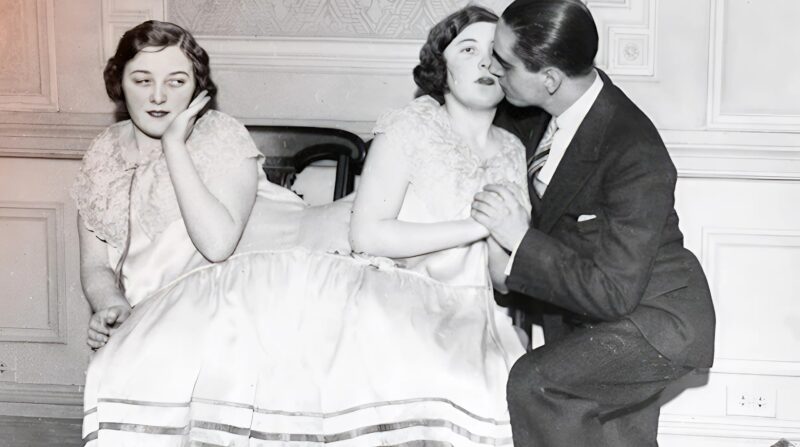
Rosa and Josefa Blažek died on March 30, 1922, in Chicago, Illinois, where they had been living and performing. Official death records indicate that they passed away within minutes of each other, a circumstance medically consistent with their shared physiology.
Their son, Franz Jr., survived them. Historical records about his later life are limited, and no verified public documentation confirms long-term details of his adulthood, education, or death. Responsible historical accounts therefore avoid speculation regarding his fate.
Historical and Medical Significance
Today, Rosa and Josefa Blažek are remembered as an important case study in the history of medicine and social attitudes toward physical difference. Their lives contributed to early scientific understanding of conjoined twin anatomy, reproductive health, and hormonal systems.
Reputable sources such as university medical archives, national library newspaper collections, and historical medical journals continue to reference their case in discussions of embryology and medical ethics.
Conclusion
The story of Rosa and Josefa Blažek is not one of myth or exaggeration, but of documented human experience. Their lives illustrate how individuals with rare medical conditions navigated public life, family, and professional careers during a time of limited medical knowledge and social support.
By focusing on verified historical records and medical documentation, their legacy can be understood with respect, accuracy, and context — offering insight into both human biology and the evolving relationship between medicine and society.