
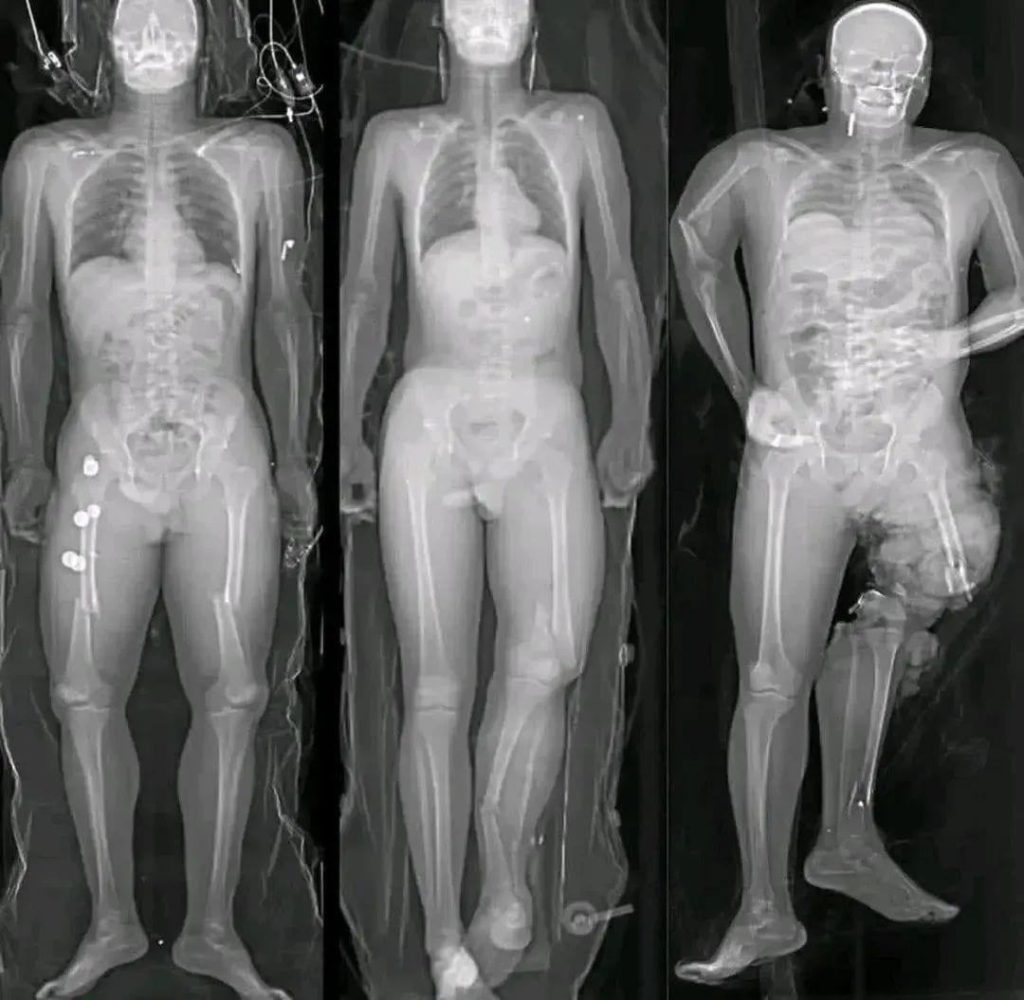
In recent months, a wave of alarming images and short messages has circulated widely across social media platforms, often accompanied by phrases such as “If you got the COVID vaccine, you should know this.” Many of these posts feature dramatic visuals—most notably illustrations of syringes aimed directly at the human heart—designed to provoke fear and urgency. While the images are striking, they rarely provide verified medical context. Instead, they rely on emotional reaction rather than evidence.
For many people, these messages resurface lingering anxieties from the pandemic years. Even as daily life has largely returned to normal, uncertainty about health decisions remains an easy target for viral misinformation. Understanding what is factual, what is exaggerated, and what is simply false is essential for making informed decisions and avoiding unnecessary distress.
Why these images spread so quickly

The success of these viral messages lies in how they are constructed. Fear-based imagery has always been effective at capturing attention, especially when combined with incomplete or vague warnings. A syringe aimed at a heart immediately suggests danger, even before a viewer reads any accompanying text. This technique taps into a natural instinct to protect oneself from harm.
Media analysts note that such content thrives in algorithm-driven environments. Platforms often reward engagement—clicks, comments, shares—without distinguishing between accurate information and misleading material. As a result, emotionally charged posts can spread faster than carefully worded scientific explanations.
Another reason these images resonate is that they exploit real but rare medical terms, such as myocarditis, without explaining scale or context. By presenting isolated facts without proportion, they create the illusion of widespread risk where none exists.
What science actually says about COVID vaccines

COVID-19 vaccines underwent extensive testing before authorization and continue to be monitored in real-world use. According to data reviewed by global health authorities such as Centers for Disease Control and Prevention and World Health Organization, these vaccines have been administered billions of times worldwide.
The overwhelming scientific consensus is clear. COVID vaccines significantly reduced severe illness, hospitalization, and death, particularly among older adults and people with underlying health conditions. In many countries, vaccination played a critical role in preventing healthcare systems from being overwhelmed.
The most commonly reported side effects remain mild and temporary. These include soreness at the injection site, fatigue, headache, fever, or muscle aches. Such reactions are expected signs that the immune system is responding as intended.
Serious side effects do occur, but they are rare and closely monitored. Regulatory agencies continuously update safety guidelines based on the latest data, adjusting recommendations when necessary.
Addressing concerns about the heart

One of the most common claims in viral posts is that COVID vaccines “damage the heart.” This statement oversimplifies and distorts a complex medical issue.
Medical research has identified a small number of myocarditis cases—an inflammation of the heart muscle—following certain mRNA vaccines, particularly among adolescent and young adult males. However, context is critical. These cases are rare, typically mild, and most individuals recover fully with minimal treatment.
Multiple peer-reviewed studies show that the risk of myocarditis from COVID infection itself is significantly higher than the risk associated with vaccination. COVID-19 as a disease has been linked to more severe cardiac complications, including inflammation, blood clots, and long-term heart damage.
In other words, when comparing risks, vaccination reduces overall heart-related danger rather than increasing it.
Why misinformation persists despite evidence
One reason misinformation persists is that fear spreads faster than reassurance. Scientific explanations often require nuance, probabilities, and careful language. Viral content, by contrast, relies on certainty and emotional clarity, even when it is inaccurate.
Another factor is distrust. Years of political polarization and conflicting messages during the pandemic eroded public confidence in institutions for some people. This environment makes individuals more receptive to alternative narratives, especially when they appear to challenge official authority.
Confirmation bias also plays a role. People who are already anxious about vaccines may be more likely to believe content that reinforces their fears, even if the information is misleading or incomplete.
What to do if you have already been vaccinated

For those who have received one or more COVID vaccine doses, medical guidance remains straightforward.
First, pay attention to your body without assuming the worst. Occasional fatigue or mild discomfort is normal. If you experience unusual symptoms such as persistent chest pain, difficulty breathing, or irregular heartbeats, consult a healthcare professional. These recommendations are not unique to vaccines and apply broadly to general health.
Second, maintain habits that support cardiovascular health. Regular physical activity, balanced nutrition, adequate sleep, and routine medical checkups are far more influential in long-term heart health than exposure to online scare images.
Third, avoid panic-driven decision-making. Most viral posts are designed to provoke emotional reactions rather than inform. Medical decisions should be guided by evidence and professional advice, not fear-based messaging.
How to evaluate viral health claims
Whenever you encounter alarming health-related content online, it helps to pause and ask a few basic questions.
Who created the message? Is it a recognized health authority, a reputable news organization, or an anonymous account? Does the post cite peer-reviewed studies or official statements, or does it rely solely on dramatic visuals and vague warnings?
Another important question is proportionality. Does the message explain how common a claimed risk actually is, or does it imply danger without context? Legitimate health guidance always discusses likelihood and comparison, not just possibility.
Finally, check whether the claim is supported by multiple independent sources. One viral image does not outweigh years of accumulated scientific research.
The role of responsible communication
Public health experts emphasize that clear and responsible communication is essential, especially during and after a global crisis. Oversimplified or sensational messaging—whether pro- or anti-vaccine—can undermine trust and contribute to confusion.
At the same time, acknowledging uncertainty where it exists builds credibility. Science evolves, and recommendations can change as new data emerges. That process does not indicate failure; it reflects rigorous oversight.
The broader lesson from these viral messages

Beyond vaccines, this trend highlights a larger issue in modern information culture. Visual shock has become a substitute for explanation. Emotional impact often replaces accuracy.
Learning to recognize this pattern is a form of self-protection. Health decisions affect not only individuals but families and communities. They deserve careful consideration grounded in verified knowledge.
Conclusion
COVID vaccines remain among the most closely studied medical interventions in history. The evidence consistently shows that they are safe, effective, and far less risky than the disease they were designed to prevent. Viral images suggesting otherwise rely on fear rather than fact.
Before reacting to alarming online content, seek information from trusted medical sources and qualified professionals. Your health decisions should be guided by clarity, not panic, and by evidence, not imagery designed to manipulate emotion.
In an era of endless information, discernment is one of the most important tools for protecting both physical and mental well-being.