


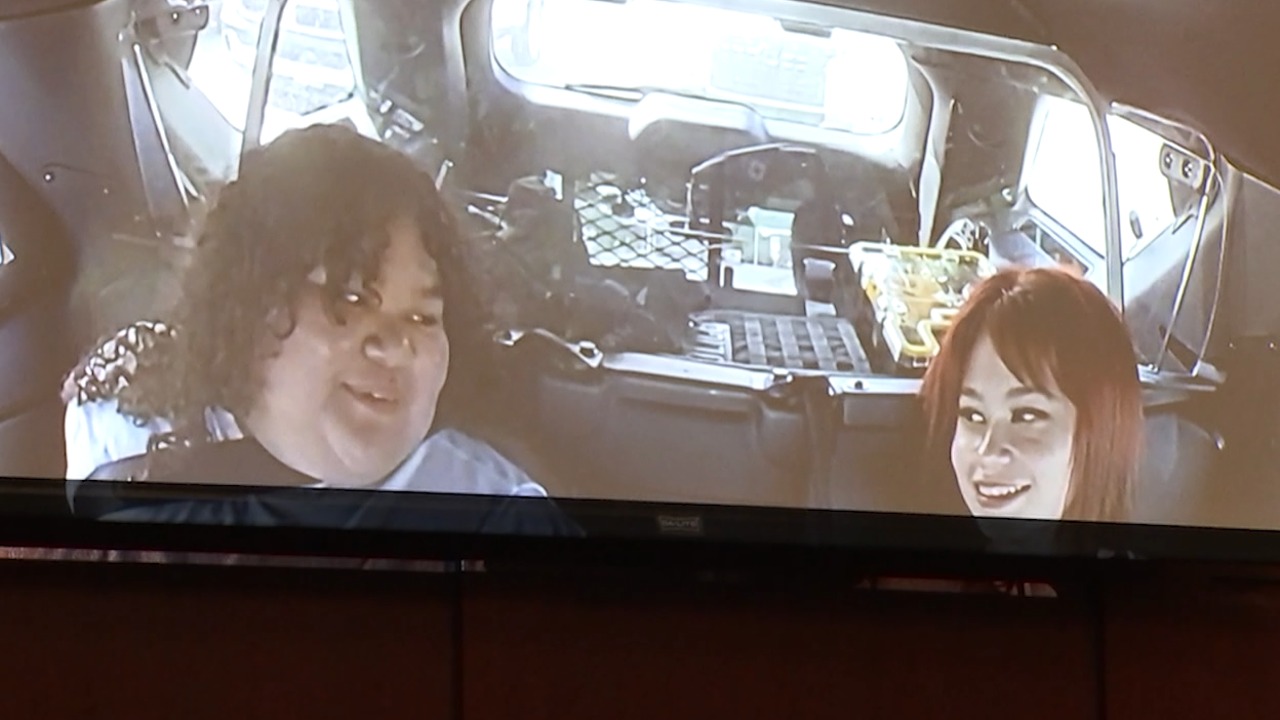
A juvenile court case in Seminole County, Florida has drawn public attention after a judge denied bond for two teenagers accused of planning an attack against a fellow student. The decision followed a hearing in which prosecutors presented evidence, including a video recorded inside a police patrol car after the arrests.
Authorities allege that the two suspects, both minors, were involved in planning a violent act targeting a student at Lake Brantley High School. The case remains ongoing, and both defendants have entered not-guilty pleas through their legal representatives.
Court Hearing and Bond Decision
During the hearing, the judge ruled that both teens should remain in custody while the case proceeds. The decision was based on concerns about public safety and the seriousness of the allegations.
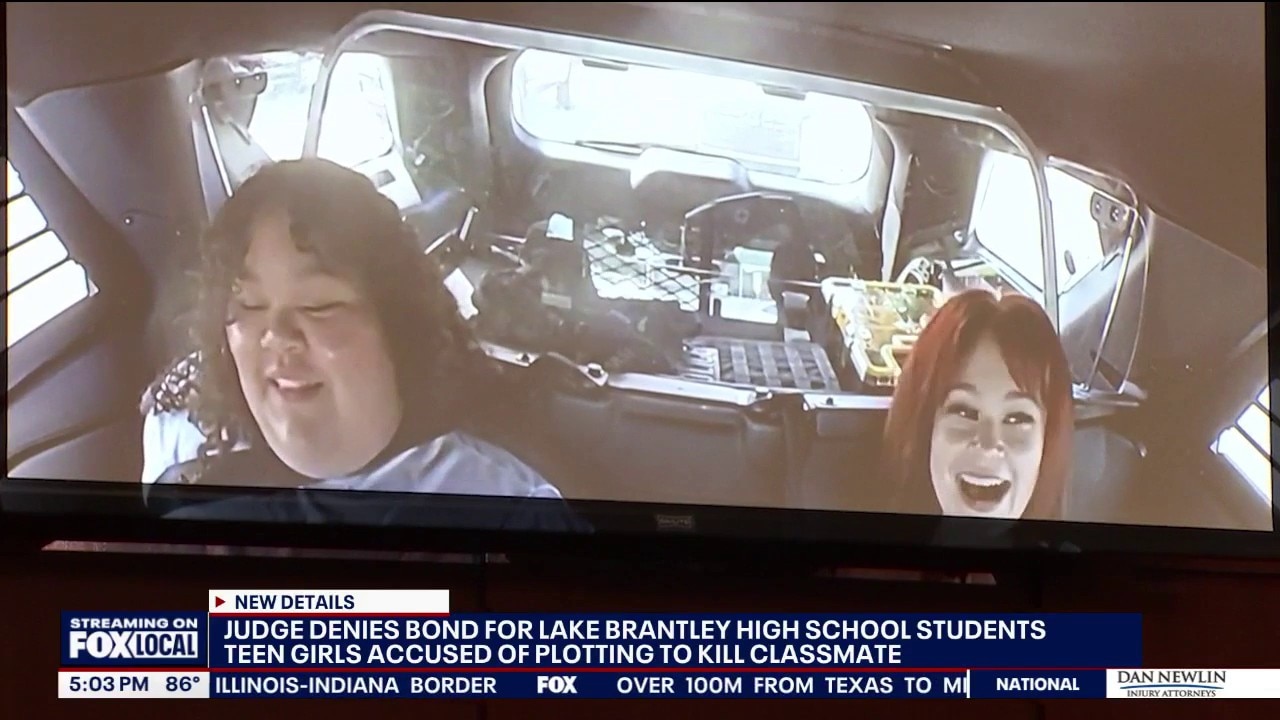
Prosecutors argued that releasing the suspects could pose risks to the community, particularly given the nature of the alleged plan and the circumstances surrounding the case. They also referenced a patrol-car video recorded after the arrests, which they said reflected concerning behavior.
Defense attorneys, however, emphasized that the case is still in its early stages and that their clients are presumed innocent under the law. They cautioned against drawing conclusions based on limited evidence presented before trial.
Allegations Under Investigation
According to law enforcement summaries presented in court, investigators believe the teens discussed a plan to harm a specific student on school grounds. Authorities stated that the alleged plot was interrupted before any incident occurred, after information was reported to officials.
Because the case involves minors, many details—including the identity of the alleged target—have not been publicly disclosed. Officials typically limit such information to protect privacy and ensure fairness in juvenile proceedings.
Prosecutors indicated that evidence may include witness statements, digital communications, and other materials gathered during the investigation. However, these claims have not yet been fully examined in court.

Video Evidence Raises Questions
A key point in the hearing was a video recorded inside a patrol vehicle following the arrests. Prosecutors described the footage as showing behavior they believe reflects a lack of understanding of the seriousness of the situation.
They argued that such behavior could be relevant when assessing whether the defendants would comply with release conditions or pose a continued risk.
Defense attorneys disputed that interpretation, noting that reactions from teenagers under stress can vary widely. They suggested that short clips may not provide full context and should not be the sole basis for detention decisions.
Legal Considerations in Juvenile Cases
Cases involving minors often present complex legal questions. Courts must balance several factors, including:
-
Public safety
-
The rights of the accused
-
The potential for rehabilitation
-
The long-term impact of detention on young individuals
Judges may consider options such as supervised release, electronic monitoring, or restricted communication. In this instance, the court determined that such measures would not sufficiently address the concerns raised.

Community Impact
The case has prompted discussion among parents, students, and educators in the local community. Schools are often sensitive environments, and reports of potential threats can lead to heightened concern.
At the same time, community members have emphasized the importance of responsible information sharing. Early reporting in such cases can sometimes lead to misunderstandings if details are incomplete or unverified.
Role of Early Intervention
Authorities noted that the situation was addressed before any harm occurred, highlighting the role of early reporting in preventing potential incidents. Law enforcement agencies often encourage individuals to report concerning behavior so it can be evaluated appropriately.
Such interventions can be critical in ensuring safety while allowing authorities to assess whether a situation involves credible risk.

Ongoing Legal Process
As the case moves forward, both sides are expected to present arguments regarding:
-
The validity and interpretation of evidence
-
Whether the alleged actions meet legal standards for attempted violent crime
-
The reliability of witness accounts and investigative findings
Defense attorneys may also challenge how evidence was obtained or interpreted, while prosecutors will seek to establish intent and preparation.
No final determination has been made, and the outcome will depend on evidence presented in court.
Conclusion
The decision to deny bond reflects the court’s current assessment of risk based on the information presented so far. However, the case remains unresolved, and all allegations will be subject to further legal review.
As proceedings continue in Seminole County, Florida, officials and legal experts emphasize the importance of due process. The situation serves as a reminder of the challenges involved in balancing safety concerns with the rights of individuals—particularly in cases involving minors.