


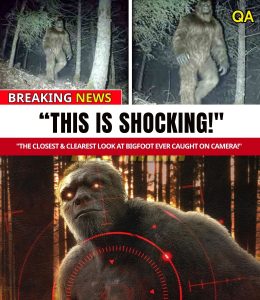
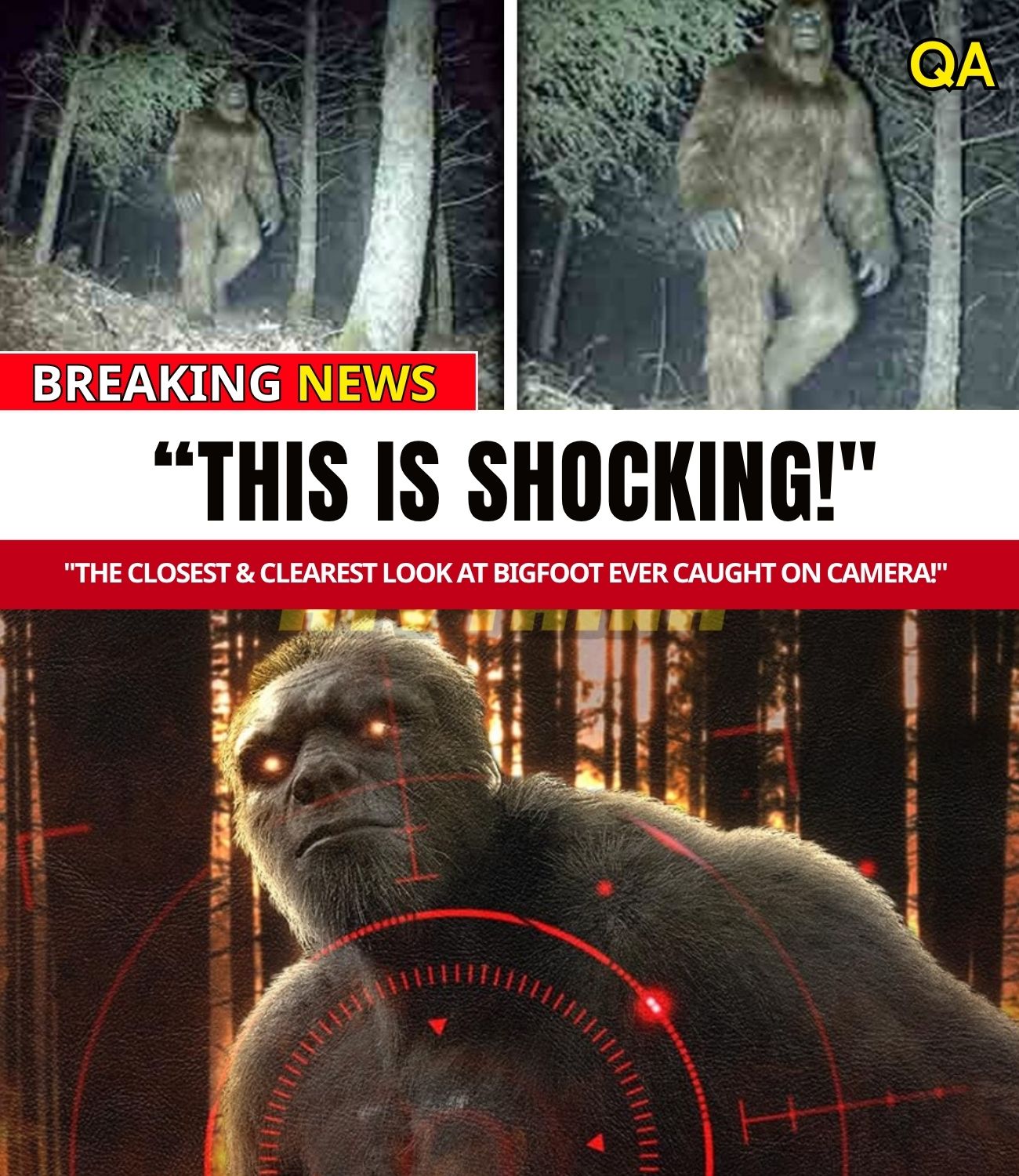
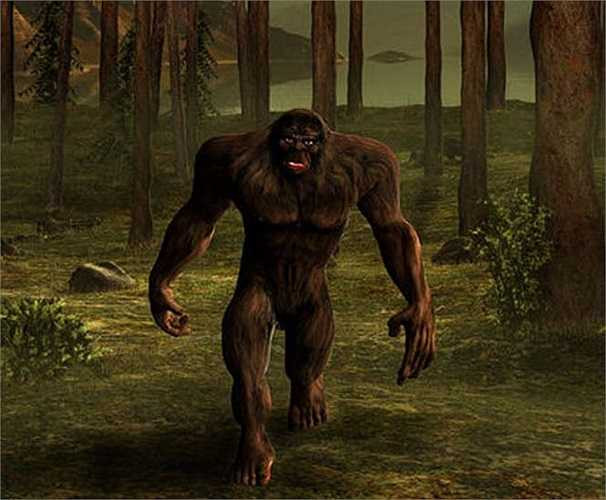
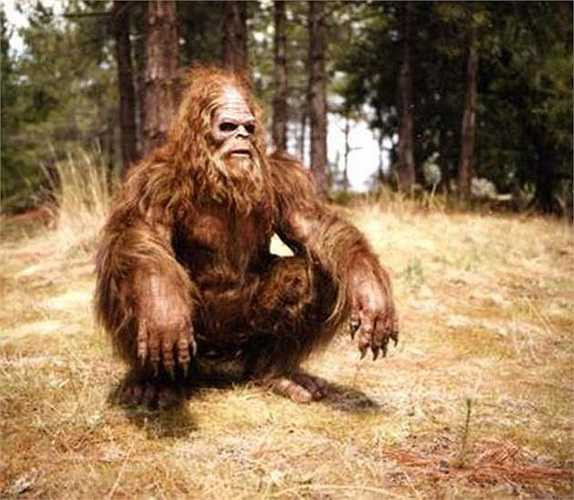
The legend of Bigfoot, often described as a large, human-like creature covered in hair and living in remote forests, has fascinated the public for decades. Reports typically describe a figure standing between two and three meters tall, with a heavy build and large footprints, which is how the name “Bigfoot” originated. Despite widespread interest and numerous eyewitness accounts, there is no verified scientific evidence confirming that such a creature exists.
In modern discussions, Bigfoot is often categorized as a “cryptid,” a term used in zoology to describe animals whose existence has been suggested but not scientifically proven. While the idea of undiscovered species is not impossible, scientific standards require physical evidence such as bones, DNA, or verified biological samples before recognizing a new species.
Historical Origins and Cultural Significance
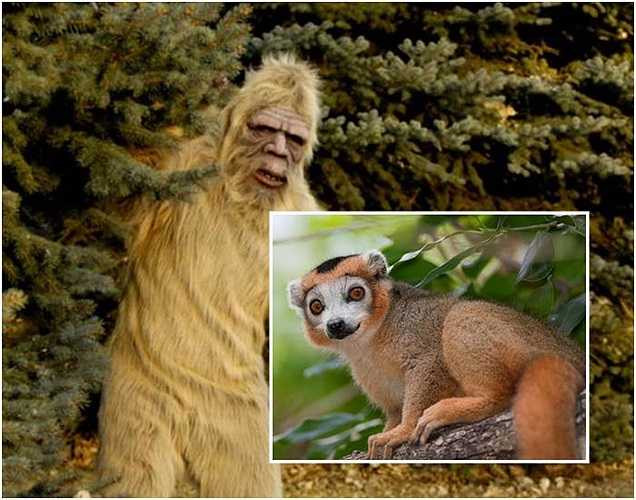
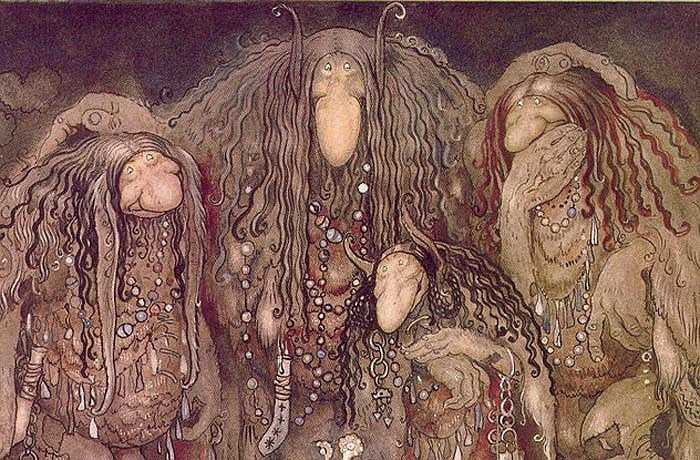
Stories resembling Bigfoot existed long before modern media. Indigenous communities across North America have oral traditions describing large, forest-dwelling beings. These stories vary in meaning and are often symbolic rather than literal. Over time, these traditional accounts merged with modern interpretations, leading to the Bigfoot legend widely known today.
The modern surge in Bigfoot interest began in the mid-20th century, especially after the emergence of photographic and video claims. One of the most well-known examples is the Patterson–Gimlin film, which allegedly shows a large, ape-like figure walking through a forest. While the footage attracted global attention, many experts in film analysis and special effects have suggested it is likely a staged recording involving a person in a costume.
Scientific Perspective on Bigfoot
From a scientific standpoint, the existence of a large, unknown primate in North America is considered highly unlikely. Organizations such as the Smithsonian Institution emphasize that large mammals leave clear ecological and biological traces, including remains, tracks that can be consistently verified, and genetic material.
Extensive wildlife research in North America has not produced credible evidence of an undiscovered species matching Bigfoot’s description. In addition, ecosystems in these regions are well studied, making it difficult for a large population of unknown animals to remain undetected over long periods.
DNA Claims and Scientific Scrutiny
Some claims about Bigfoot have involved DNA analysis. For example, Melba Ketchum reported that genetic samples linked Bigfoot to both humans and primates. However, these findings were not published in widely recognized peer-reviewed scientific journals.
Peer review is a critical process in science, ensuring that research methods and conclusions are evaluated by independent experts. Without this validation, claims cannot be considered reliable. Many scientists have reviewed such DNA reports and concluded that the samples were likely contaminated or misidentified, rather than evidence of a new species.
Eyewitness Accounts and Psychological Factors
Thousands of people have reported seeing Bigfoot-like creatures in forests, particularly in remote areas of the United States and Canada. While these accounts are often sincere, they are not considered scientific proof. Human perception can be influenced by environmental conditions such as low light, distance, and stress.
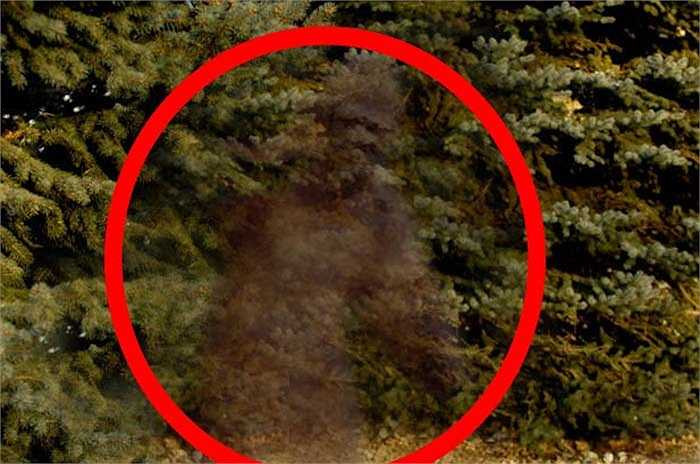
Researchers in psychology note that the human brain tends to interpret unclear shapes as familiar patterns, especially human-like figures. This phenomenon can explain why individuals may believe they have seen a large unknown creature when the source may be a known animal or environmental feature.
Misidentification of Known Animals
Many Bigfoot sightings can be explained by misidentified wildlife. Animals such as bears, especially when standing upright, can resemble the silhouette often associated with Bigfoot. Differences in lighting, distance, and perspective can exaggerate these impressions.
Wildlife experts frequently emphasize that unusual sightings should first be compared with known species before considering unknown explanations. This approach aligns with standard scientific methodology, which prioritizes the simplest and most evidence-based explanation.
Media Influence and Viral Narratives
The persistence of the Bigfoot myth is closely linked to media influence. Television shows, documentaries, and online platforms often present the topic in a dramatic way to capture attention. While this can be entertaining, it may blur the line between fiction and fact.
In the digital age, viral content spreads quickly, sometimes without verification. Claims about Bigfoot interacting with extraterrestrial objects, possessing supernatural abilities, or being part of secret government programs have circulated widely online. However, there is no credible evidence from recognized institutions to support these ideas.
Organizations such as the National Geographic Society consistently highlight the importance of relying on verified data and scientific research when evaluating extraordinary claims.
Government and Scientific Position
There are no official records from U.S. government agencies confirming the existence of Bigfoot or any organized efforts to track such a creature. Agencies responsible for wildlife management, including the U.S. Department of the Interior, focus on known species and environmental conservation.
Claims about secret operations targeting Bigfoot are not supported by publicly available documents or credible investigative reports. In scientific and governmental contexts, transparency and documentation are essential, and extraordinary claims require substantial evidence.
Why the Mystery Continues
Despite the lack of scientific proof, Bigfoot remains a powerful cultural symbol. The idea of an undiscovered creature living in vast, unexplored wilderness appeals to human curiosity. Forest environments, especially those that are remote and difficult to access, naturally inspire mystery.
In addition, storytelling plays a significant role. Legends like Bigfoot evolve over time, adapting to new cultural contexts and technologies. What began as traditional folklore has transformed into a global phenomenon, supported by films, books, and online discussions.
The Role of Critical Thinking
Understanding the Bigfoot phenomenon requires careful evaluation of information sources. Scientific literacy involves distinguishing between anecdotal evidence and verifiable data. Reliable conclusions are based on reproducible findings, not isolated reports or unverified claims.
Critical thinking also involves recognizing how emotional and dramatic narratives can influence perception. Headlines or stories that emphasize mystery and urgency may attract attention but do not necessarily reflect factual accuracy.
Conclusion: Separating Myth from Evidence
Bigfoot remains one of the most famous unexplained legends in modern culture, but current scientific evidence does not support its existence as a real biological species. Claims involving DNA, supernatural abilities, or secret government activities lack verification from reputable sources.
The enduring fascination with Bigfoot highlights the human desire to explore the unknown and to believe in mysteries beyond current understanding. However, responsible information consumption requires reliance on credible institutions, peer-reviewed research, and evidence-based conclusions.
As scientific exploration continues to expand our knowledge of the natural world, new discoveries are always possible. Until verifiable evidence emerges, Bigfoot should be understood as a cultural and folkloric phenomenon rather than a confirmed scientific reality.