

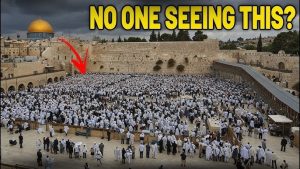

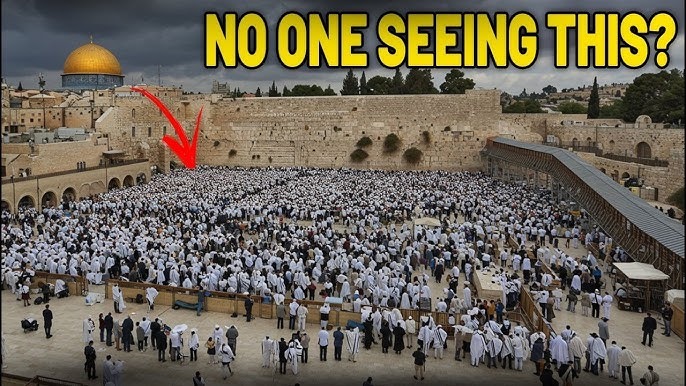
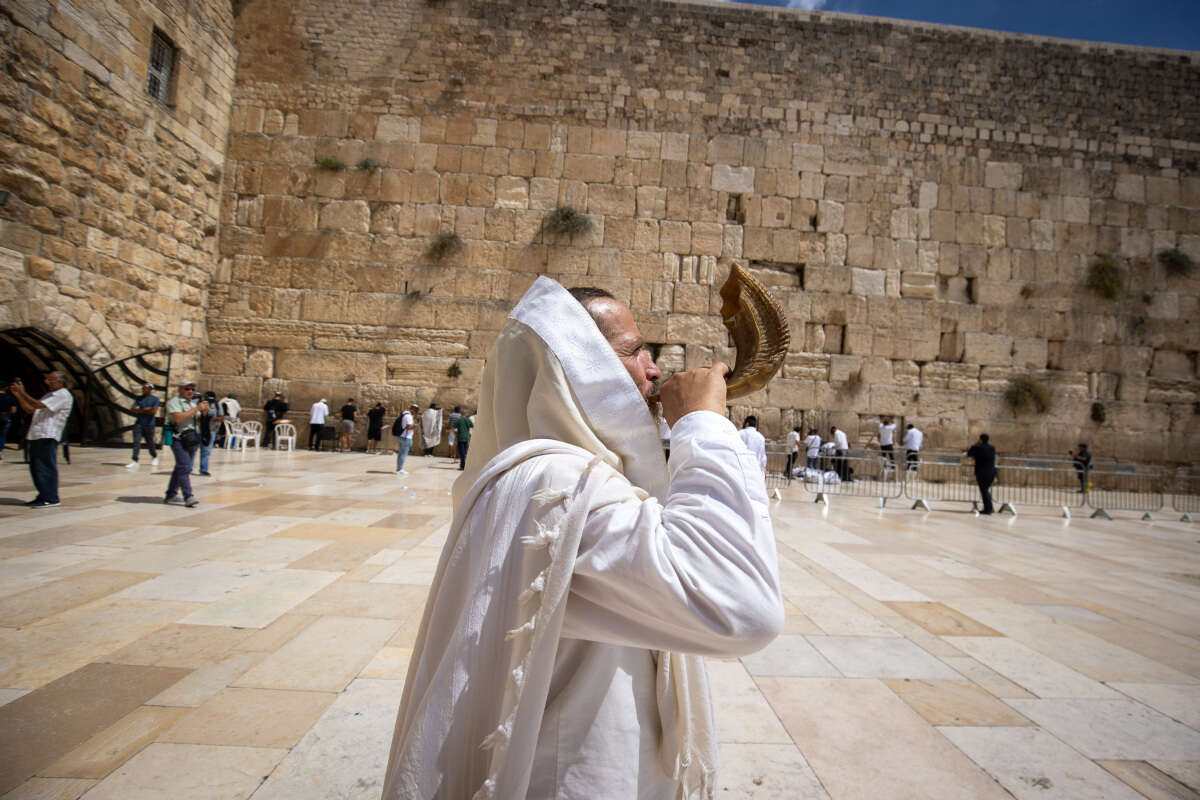
Every year, the city of Jerusalem becomes a focal point of spiritual reflection during one of the most important periods in Judaism. The sound of the shofar, a traditional instrument made from a ram’s horn, echoes through synagogues and communities, marking the arrival of the Jewish New Year and a sacred season of introspection. While some narratives portray these moments as extraordinary or mysterious global events, verified historical and religious sources show that these practices are long-established traditions rooted in Jewish law and culture.
What Is Rosh Hashanah?
Rosh Hashanah is the Jewish New Year, observed on the first and second days of the Hebrew month of Tishrei. It marks the beginning of the High Holy Days, a ten-day period dedicated to reflection, repentance, and renewal.
The observance of Rosh Hashanah is based on biblical instructions found in the Book of Leviticus, which describes it as a day of rest and a memorial proclaimed with the sounding of the shofar. This tradition has been practiced for thousands of years and remains central to Jewish religious life today.
During this time, Jewish communities gather in synagogues for prayer services, hear the sounding of the shofar, and reflect on their actions over the past year. The holiday emphasizes personal accountability, moral reflection, and the opportunity for a fresh start.
The Shofar: History and Religious Significance
Shofar is one of the oldest musical instruments still in use today. Its sound is not intended for entertainment but for spiritual awakening. In Jewish tradition, the shofar serves as a symbolic call to self-examination and repentance.
The blowing of the shofar during Rosh Hashanah follows a specific sequence of notes, each with its own meaning. These sounds are meant to inspire reflection, humility, and a renewed commitment to ethical living.
Importantly, the use of the shofar is not a new or sudden phenomenon. It has been part of Jewish religious observance since ancient times and continues to be practiced consistently across Jewish communities worldwide.
The Ten Days of Repentance
The period between Rosh Hashanah and Yom Kippur is known as the Ten Days of Repentance, or the Days of Awe. These days are considered the most spiritually significant time in the Jewish calendar.
During this period, individuals are encouraged to:
Reflect on their behavior
Seek forgiveness from others
Make amends for past actions
Commit to personal improvement
This practice is deeply rooted in Jewish teachings and is widely observed in both Israel and Jewish communities around the world.
Yom Kippur: The Day of Atonement
Yom Kippur is the holiest day in Judaism. It concludes the Ten Days of Repentance and is marked by fasting, prayer, and reflection. Observant Jews refrain from work and spend much of the day in synagogue.
In modern Israel, including cities like Jerusalem, Yom Kippur is observed with a notable pause in daily life. Many businesses close, and public transportation largely stops. This creates a unique atmosphere of quiet reflection across the country.
Historically, Yom Kippur has its origins in ancient temple practices, where the high priest performed rituals seeking atonement on behalf of the people. Today, the focus is on personal responsibility and spiritual renewal rather than temple-based ceremonies.
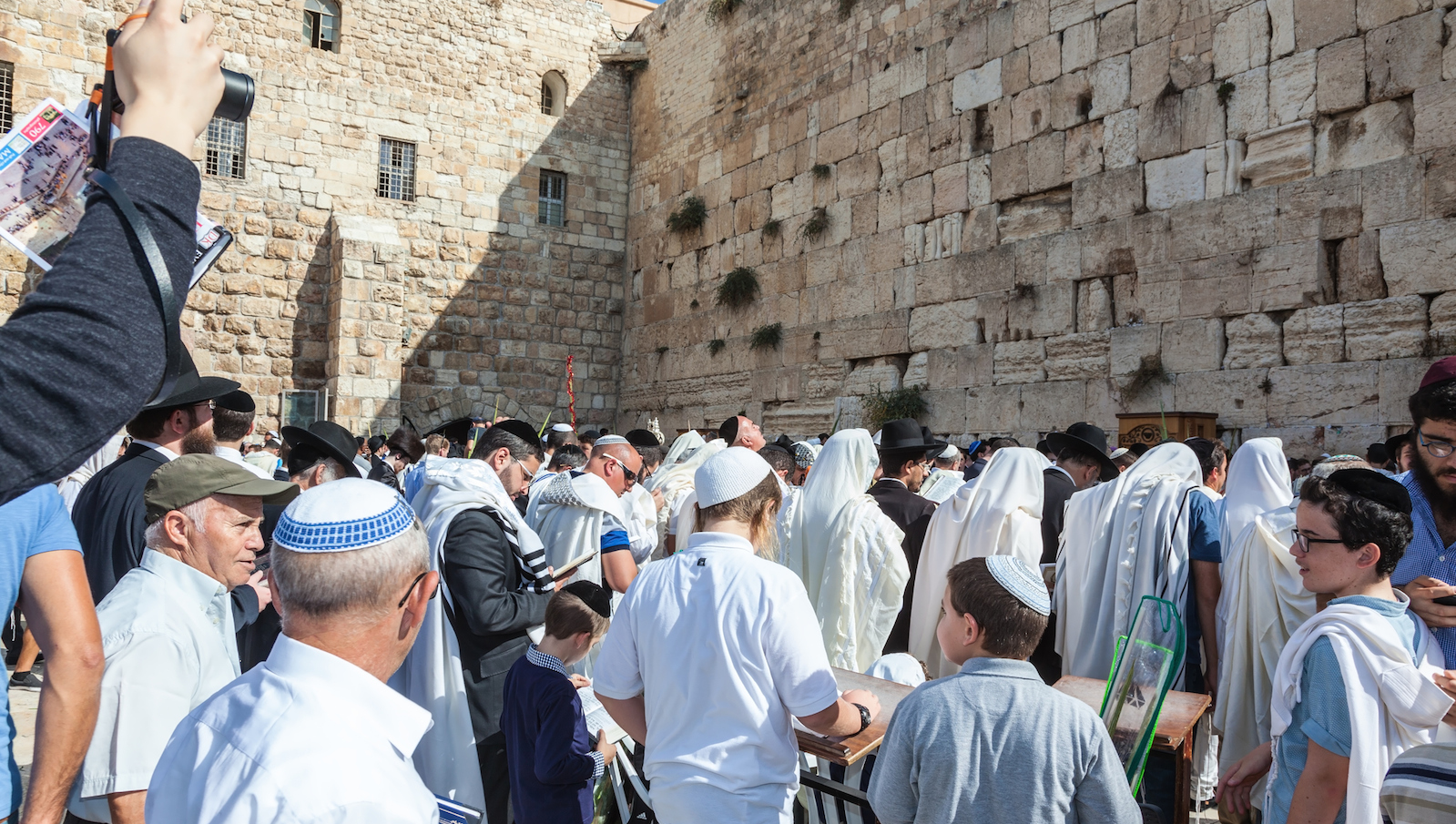
Why Large Crowds Gather in Jerusalem
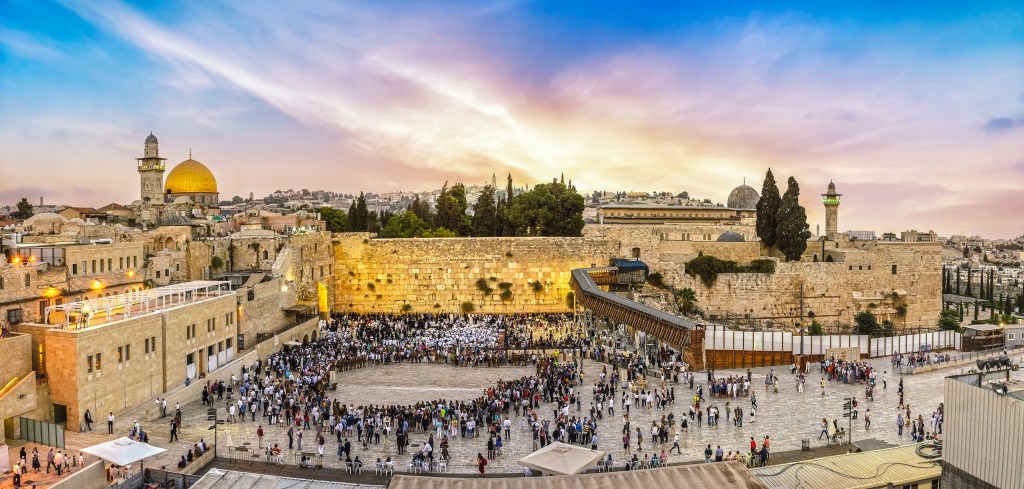
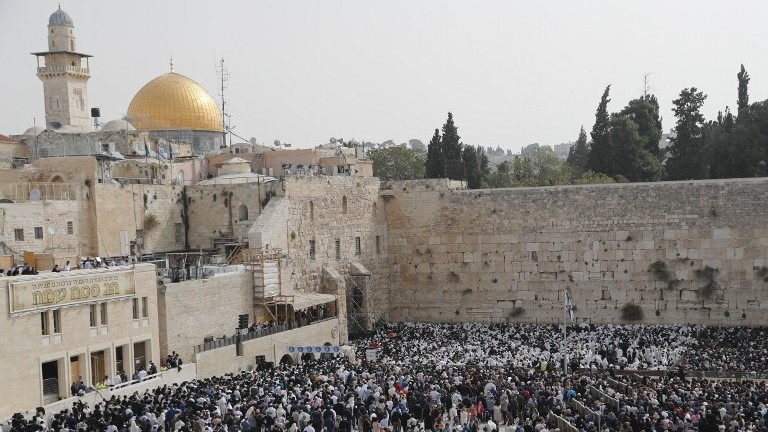
Jerusalem holds deep religious significance for Judaism, Christianity, and Islam. During major religious holidays such as Rosh Hashanah and Yom Kippur, many people travel to the city to participate in prayers and ceremonies.
Large gatherings during these times are normal and expected. Synagogues, especially near historically significant sites, often see increased attendance. This is not evidence of an unusual or hidden event but rather a reflection of long-standing religious tradition.
Addressing Claims About “Extraordinary Events”
Some online content suggests that the sound of the shofar or gatherings in Jerusalem signal unusual or prophetic global events. However, there is no credible evidence from reliable news organizations, academic institutions, or official religious authorities to support such claims.
The observances of Rosh Hashanah and Yom Kippur occur annually according to the Hebrew calendar. Their timing, rituals, and significance are well-documented and widely understood.
Interpretations that link these traditions to specific modern predictions or global events are typically based on personal beliefs rather than verified facts.
Religious Interpretation vs. Verified Information
Religious texts, including the Hebrew Bible and the New Testament, contain symbolic language that has been interpreted in many different ways across centuries. While these interpretations are meaningful within faith communities, they are not considered verifiable evidence of current events.
For example, references to trumpets in religious texts are often understood symbolically or theologically rather than as direct predictions tied to specific dates or events in modern times.
It is important to distinguish between:
Documented religious practices
Personal or theological interpretations
Unverified or speculative claims
This distinction helps ensure a clear and accurate understanding of both history and current events.
The Cultural and Spiritual Importance of These Traditions
The continued observance of Rosh Hashanah and Yom Kippur highlights the enduring strength of cultural and religious traditions. These holidays provide an opportunity for individuals and communities to reconnect with their values and beliefs.
The sound of the shofar, in particular, serves as a powerful reminder of the importance of reflection, accountability, and renewal. Its meaning remains consistent across generations, even as the world changes.

Media Literacy in the Digital Age
In today’s digital environment, information spreads rapidly, and not all of it is accurate. Content that uses dramatic or emotional language can attract attention, even when it lacks factual support.
To evaluate such content, readers should consider:
Whether the information comes from a reputable source
If multiple credible organizations confirm the claims
Whether the claims align with established historical knowledge
By applying these principles, it becomes easier to separate meaningful information from misleading narratives.
Conclusion
The sound of the shofar in Jerusalem is a powerful and meaningful part of Jewish religious tradition, especially during Rosh Hashanah and the lead-up to Yom Kippur. These observances are not new or mysterious events but well-established practices with deep historical roots.
While interpretations and beliefs may vary, verified information confirms that these gatherings and rituals occur regularly each year as part of the Jewish calendar. Understanding their true context allows for a deeper appreciation of their significance without relying on speculation.
Ultimately, these traditions highlight a universal theme shared across cultures: the importance of reflection, renewal, and striving to live with greater purpose and integrity.