
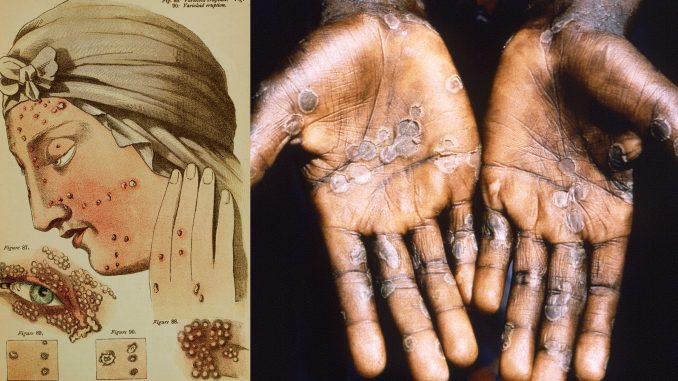
Throughout human history, disease has been one of the most powerful and frightening forces shaping societies. Long before modern medicine, invisible pathogens could wipe out entire cities, destabilize empires, and permanently alter the course of civilization. Some diseases spread slowly, draining communities over decades. Others moved with terrifying speed, overwhelming populations before anyone understood what was happening.
What makes a disease “scary” is not only how many people it kills. Fear also comes from uncertainty, lack of treatment, rapid progression, social collapse, or symptoms that defied explanation at the time. The following ten diseases are widely regarded by historians and epidemiologists as among the most terrifying in history, based on their impact, fatality, and the fear they inspired across generations.
The Black Death (Bubonic Plague)

Few events in history rival the devastation of the Black Death. Arriving in Europe in the mid-14th century, this plague swept through Asia, the Middle East, and Africa as well, killing an estimated 75 to 200 million people. In some regions, entire towns disappeared within months.
The disease caused sudden fever, weakness, and painful swelling of the lymph nodes, known as buboes. With no understanding of bacteria or transmission, communities responded with panic. Trade halted, religious authority weakened, and social order broke down. The Black Death did more than kill people; it fundamentally reshaped European society, labor systems, and belief structures.
Smallpox

Smallpox was one of humanity’s deadliest long-term enemies. For thousands of years, it moved silently through populations, leaving death or permanent scarring in its wake. Unlike many diseases, survivors often carried visible marks for life, reinforcing fear and stigma.
In the 20th century alone, smallpox killed an estimated 300 to 500 million people. Entire Indigenous populations were devastated after exposure during colonization. The disease’s horror lay not only in its lethality but in its predictability. Once infected, many faced grim odds with no treatment available.
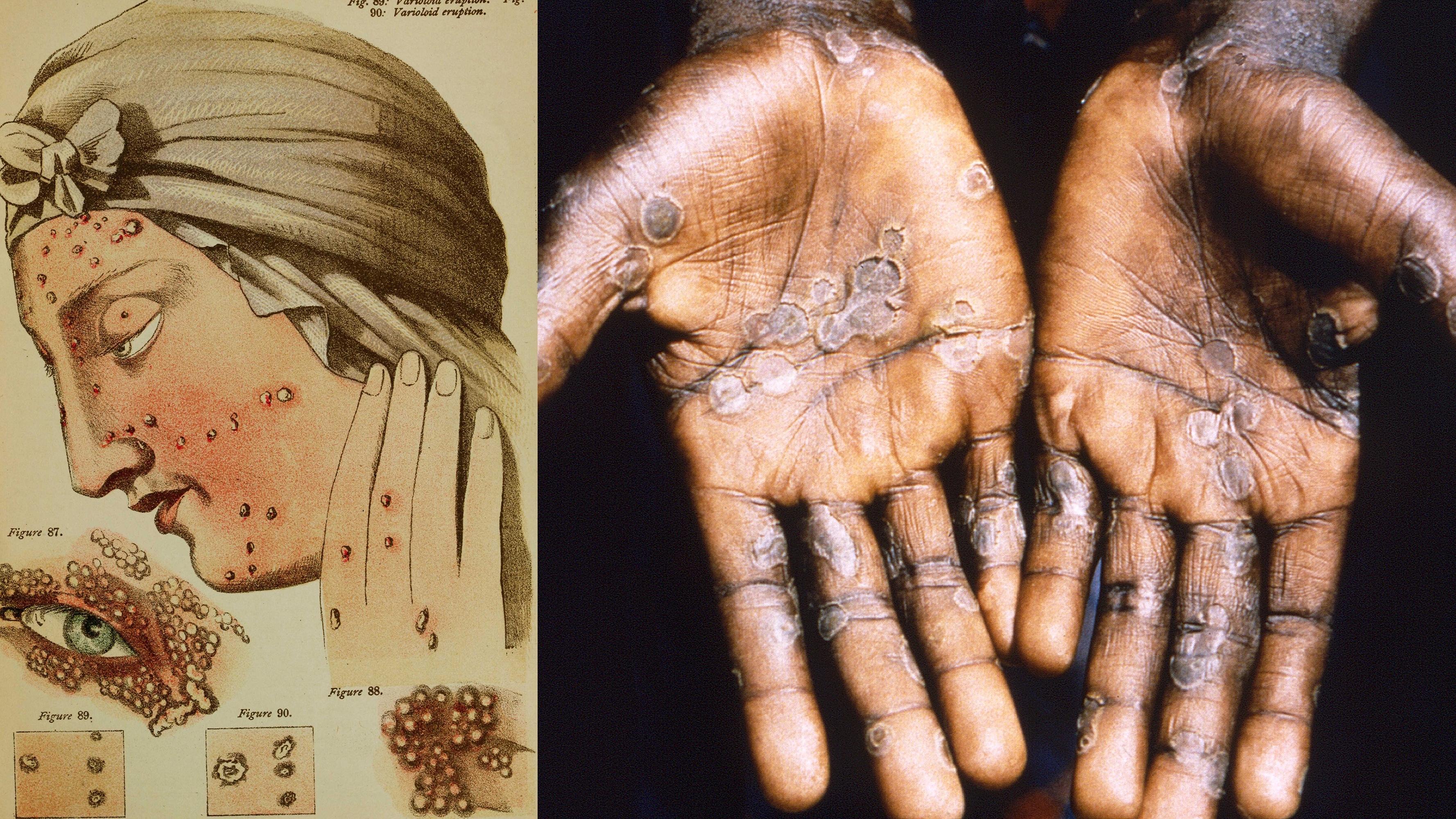
Remarkably, smallpox became the first disease ever eradicated through global vaccination, officially declared gone in 1980. Its eradication stands as one of humanity’s greatest public health achievements.
The 1918 Influenza (“Spanish Flu”)

The 1918 influenza pandemic struck a world already weakened by war. Unlike typical flu strains, this virus disproportionately affected young, healthy adults, killing an estimated 50 to 100 million people in just two years.
Hospitals were overwhelmed, and many communities lacked medical staff altogether. Governments censored information to maintain morale during World War I, allowing misinformation and fear to spread. The speed and scale of the pandemic shocked the world and highlighted how quickly a respiratory virus could disrupt global systems, lessons that remain relevant today.
Tuberculosis (TB)
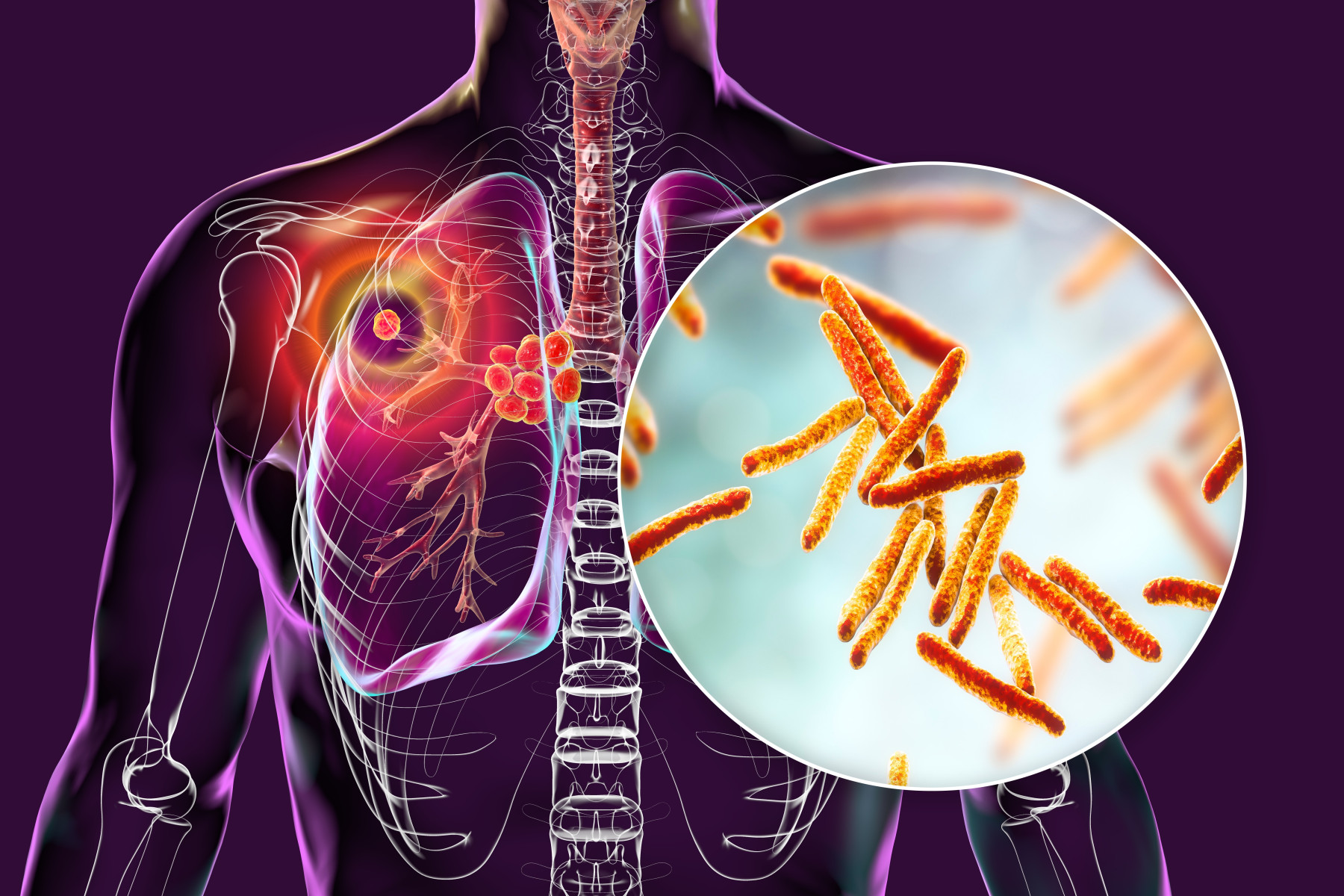
Tuberculosis is one of the oldest known infectious diseases and remains one of the deadliest in human history. Over centuries, it has killed more than a billion people worldwide.
Often progressing slowly, TB caused prolonged illness marked by weakness, weight loss, and chronic coughing. Its long duration meant families watched loved ones deteriorate over months or years. In the 19th century, TB was so common it was sometimes romanticized as a “wasting disease,” even as it devastated working populations.
Despite modern treatments, TB remains a major global health threat, particularly in regions with limited access to consistent medical care.
HIV/AIDS

First identified in the early 1980s, HIV/AIDS introduced a new kind of fear rooted in uncertainty, stigma, and social division. Before effective treatments were developed, an HIV diagnosis often meant a gradual collapse of the immune system, leaving the body vulnerable to infections it could no longer fight.
More than 36 million people have died from AIDS-related illnesses worldwide. Early misinformation fueled discrimination and delayed effective public health responses. While modern antiretroviral therapy has transformed HIV into a manageable condition for many, its early decades remain one of the most frightening chapters in modern medical history.
Rabies

Rabies is rare compared to many other diseases, but it is almost always fatal once symptoms appear. Transmitted through bites from infected animals, the virus attacks the nervous system.
Historically, what made rabies especially terrifying was its unpredictability. Victims could appear healthy for weeks or months before sudden neurological symptoms emerged. With no effective treatment after onset, rabies was long considered a death sentence, reinforcing deep fear of animal bites in many cultures.
Leprosy (Hansen’s Disease)

Leprosy has been feared for centuries, not only for its physical effects but for its social consequences. Caused by a slow-growing bacterium, the disease can damage skin and nerves if left untreated.
Historically, people with leprosy were often isolated from society, forced into colonies, or excluded from community life due to widespread misunderstanding. The fear surrounding leprosy was often disproportionate to its actual contagiousness, demonstrating how stigma can amplify the horror of disease beyond its medical reality.
Today, leprosy is curable, though the historical trauma and social scars associated with it remain significant.
Cocoliztli (The Aztec Epidemics)
In the 16th century, a mysterious disease known as cocoliztli swept through central Mexico, killing millions of Indigenous people. Occurring alongside smallpox, it played a major role in the collapse of Aztec society.
Contemporary accounts describe severe illness and rapid death, though the exact cause remains debated by historians and scientists. What makes cocoliztli particularly frightening is how little is still known about it and how decisively it altered the balance of power during early colonization.
Ebola Virus Disease

Ebola entered global awareness in the late 20th century, known for its high fatality rates in early outbreaks. The disease spreads through close contact and often overwhelms healthcare systems in affected regions.
Beyond its medical danger, Ebola generated fear through strict isolation measures, disrupted burial practices, and the emotional toll placed on healthcare workers. Outbreaks highlighted the importance of trust, rapid response, and clear public health communication.
Brain-Eating Amoeba (Naegleria fowleri)

Extremely rare but widely feared, Naegleria fowleri is a microscopic organism found in warm freshwater. Infection occurs when contaminated water enters the nose, allowing the amoeba to reach the brain.
Cases are exceedingly uncommon, but the infection is almost always fatal, which has given it a frightening reputation. While it poses little risk at a population level, its severity illustrates how even rare pathogens can provoke intense public fear.
Lessons From History’s Deadliest Diseases
These diseases remind us that fear often thrives where knowledge is limited and treatment is unavailable. Over time, advances in science, sanitation, vaccination, and global cooperation have transformed humanity’s relationship with illness. Con