

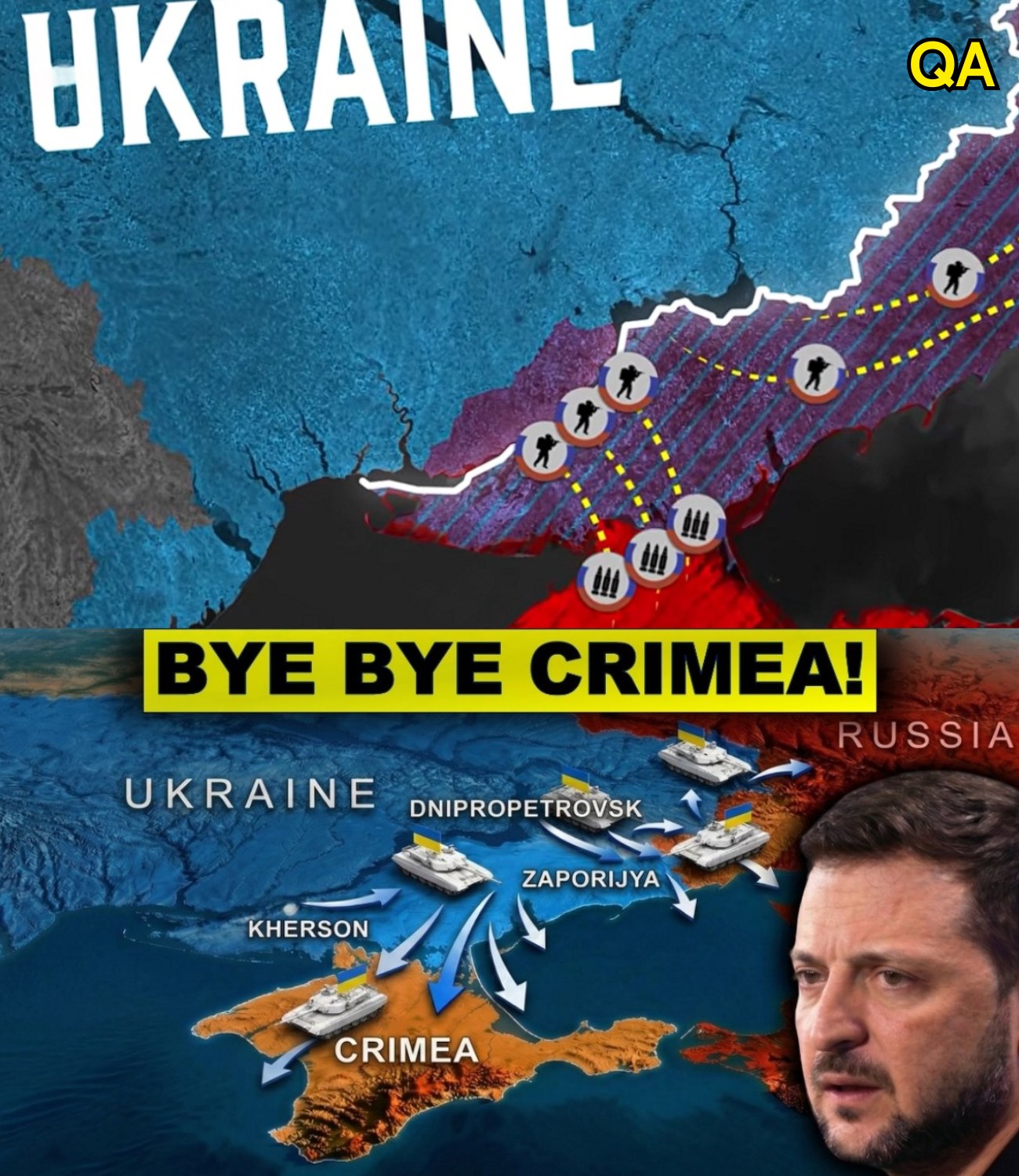
The ongoing conflict between Russia and Ukraine continues to evolve in 2026, with recent developments highlighting a shift toward advanced military technologies, sustained battlefield pressure, and growing international concern. As of mid-April 2026, the war remains in a prolonged phase, with neither side achieving a decisive breakthrough.
This comprehensive update explores the latest military actions, strategic shifts, geopolitical implications, and what they mean for the future of the conflict.

Escalation Through Drone and Missile Attacks
One of the most notable trends in recent weeks is the increased use of unmanned aerial vehicles (UAVs), commonly known as drones. Both Russia and Ukraine have significantly expanded their drone capabilities, making them a central element of modern warfare.
Russia has launched large-scale drone attacks targeting Ukrainian infrastructure and urban areas. In some cases, hundreds of drones have been deployed in a single operation, overwhelming air defense systems and testing Ukraine’s ability to respond effectively.
Despite Ukraine’s success in intercepting many incoming threats, some strikes have resulted in casualties and infrastructure damage. Energy facilities, transportation networks, and residential areas remain vulnerable targets.
This shift toward drone warfare reflects a broader transformation in military strategy, where cost-effective and scalable technologies are increasingly replacing traditional large-scale offensives.
Ukraine Expands Counterattacks Beyond Its Borders
In response, Ukraine has intensified its counteroffensive strategy by targeting military and industrial sites inside Russia. These operations aim to disrupt supply chains, reduce production capacity, and apply pressure beyond the front lines.
Recent strikes have reportedly targeted:
- Drone production facilities
- Fuel and energy infrastructure
- Logistics hubs supporting military operations
By extending the battlefield into Russian territory, Ukraine is attempting to shift the strategic balance and demonstrate its ability to respond beyond defensive measures.
Military analysts note that such actions carry both tactical advantages and geopolitical risks, as they may influence international reactions and escalation dynamics.

A War of Attrition on the Front Lines
Despite ongoing offensives and counterattacks, the front lines remain largely stable. The conflict has entered what many experts describe as a “war of attrition,” where both sides focus on gradually weakening each other over time rather than achieving rapid territorial gains.
Key characteristics of the current phase include:
- Slow and incremental territorial changes
- Continuous artillery exchanges
- Heavy reliance on defensive fortifications
- High resource consumption on both sides
Ukraine has reported modest territorial gains in certain areas, while Russia continues to maintain pressure along an extensive frontline stretching over 1,000 kilometers.
This prolonged stalemate has significant implications, including economic strain, military fatigue, and humanitarian challenges.
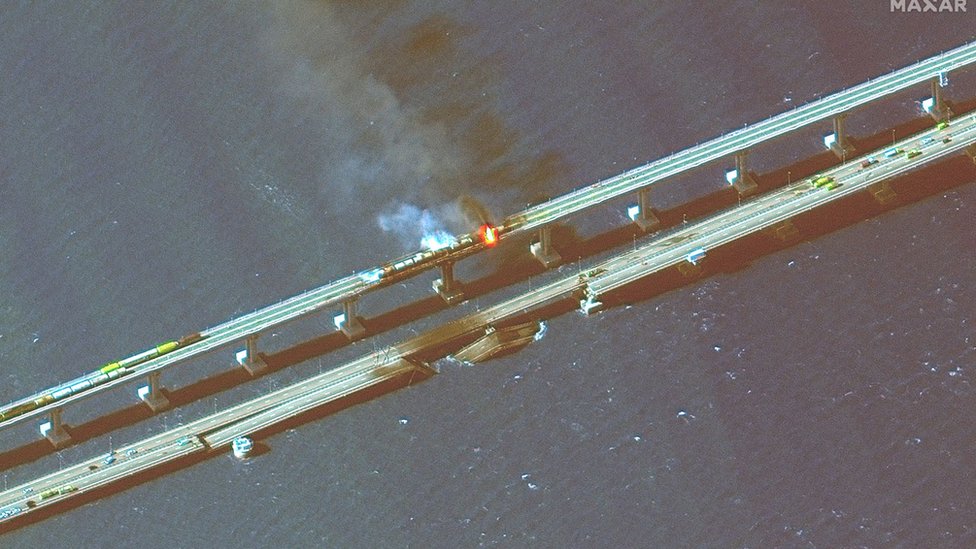
Growing Role of Air Defense Systems
Air defense has become a critical component of Ukraine’s strategy. Systems designed to intercept missiles and drones are now essential for protecting cities and infrastructure.
However, maintaining these systems presents challenges:
- Limited supply of advanced defense equipment
- High cost of intercepting large volumes of drones
- Continuous need for upgrades and maintenance
Ukrainian leadership has called for increased international cooperation to strengthen air defense capabilities. Discussions have also emerged around developing independent European defense systems to reduce reliance on external support.
This reflects a broader shift in security thinking across Europe, driven by the realities of modern warfare.
International Involvement and Strategic Tensions
The conflict continues to draw significant international attention, with multiple countries involved through diplomatic, economic, and military support.
Western nations have provided Ukraine with:
- Financial assistance
- Defensive military equipment
- Training and intelligence support
At the same time, Russia has warned that increased foreign involvement could escalate tensions beyond the region. Statements from Russian officials suggest concerns about deeper engagement from European nations.
These dynamics contribute to an increasingly complex geopolitical environment, where decisions made outside the battlefield can influence the direction of the conflict.
Concerns About Regional Escalation
One of the most pressing concerns is the potential for the conflict to expand geographically. Analysts have raised questions about the role of neighboring countries and the possibility of broader regional involvement.
Factors contributing to these concerns include:
- Military cooperation agreements
- Strategic positioning of forces near borders
- Political alliances and security commitments
While there is no confirmed expansion beyond current zones of conflict, the situation remains fluid and closely monitored by international observers.
Preventing further escalation remains a key priority for global leaders.

Humanitarian Impact and Civilian Challenges
Beyond military developments, the human cost of the war continues to be significant. Civilians in affected areas face ongoing challenges, including displacement, infrastructure disruption, and limited access to essential services.
Key humanitarian concerns include:
- Internal displacement of populations
- Damage to housing and public infrastructure
- Strain on healthcare systems
- Economic instability affecting daily life
International organizations continue to provide aid and support, but the scale of the crisis requires sustained global attention.
Efforts to rebuild affected communities are ongoing, though progress is often slowed by continued hostilities.
Economic Consequences and Global Effects
The Russia–Ukraine conflict has far-reaching economic implications that extend beyond the region. Global markets have been affected by disruptions in energy supply, trade routes, and agricultural exports.
Major economic impacts include:
- Fluctuations in energy prices
- Supply chain disruptions
- Increased defense spending in multiple countries
- Inflationary pressures in global markets
These effects highlight how regional conflicts can influence the global economy, affecting countries far removed from the battlefield.
The Role of Technology in Modern Warfare
The war has become a case study in the growing importance of technology in military operations. Innovations in drones, surveillance systems, and electronic warfare are reshaping how conflicts are fought.
Technological trends observed in the conflict include:
- Use of AI-assisted targeting systems
- Expansion of cyber warfare capabilities
- Integration of real-time intelligence data
- Development of autonomous and semi-autonomous weapons
These advancements are likely to influence future conflicts, making this war a pivotal moment in the evolution of military strategy.
Diplomatic Efforts and Challenges
Despite ongoing hostilities, diplomatic efforts to resolve the conflict have not completely ceased. However, progress has been limited due to deep divisions between the parties involved.
Challenges to peace negotiations include:
- Disagreements over territorial control
- Security guarantees and military positioning
- Political considerations on both sides
- Lack of mutual trust
Temporary ceasefires have been discussed at various points, but sustaining them has proven difficult.
Experts suggest that a long-term resolution will require significant compromises and international mediation.
What Lies Ahead?
Looking forward, the trajectory of the conflict remains uncertain. Several potential scenarios could shape the next phase:
- Continued stalemate with incremental changes
- Increased technological warfare
- Expanded international involvement
- Renewed diplomatic initiatives
Each of these possibilities carries different risks and implications, both regionally and globally.
Observers emphasize the importance of monitoring developments closely, as shifts in strategy or alliances could alter the course of the war.
Conclusion
The conflict between Russia and Ukraine remains one of the most significant geopolitical events of our time. As of April 2026, the war continues to evolve, marked by increased drone warfare, sustained military pressure, and complex international dynamics.
While no immediate resolution appears likely, ongoing developments will continue to shape global security, economic stability, and the future of modern warfare.
Understanding these changes is essential for policymakers, analysts, and the global public alike, as the impact of this conflict extends far beyond the battlefield.