

Dimples of Venus: What They Are, Why They Appear, and When to Seek Medical Advice
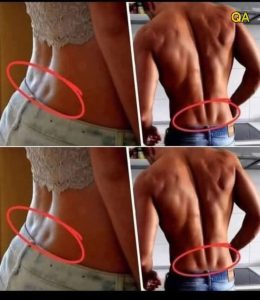
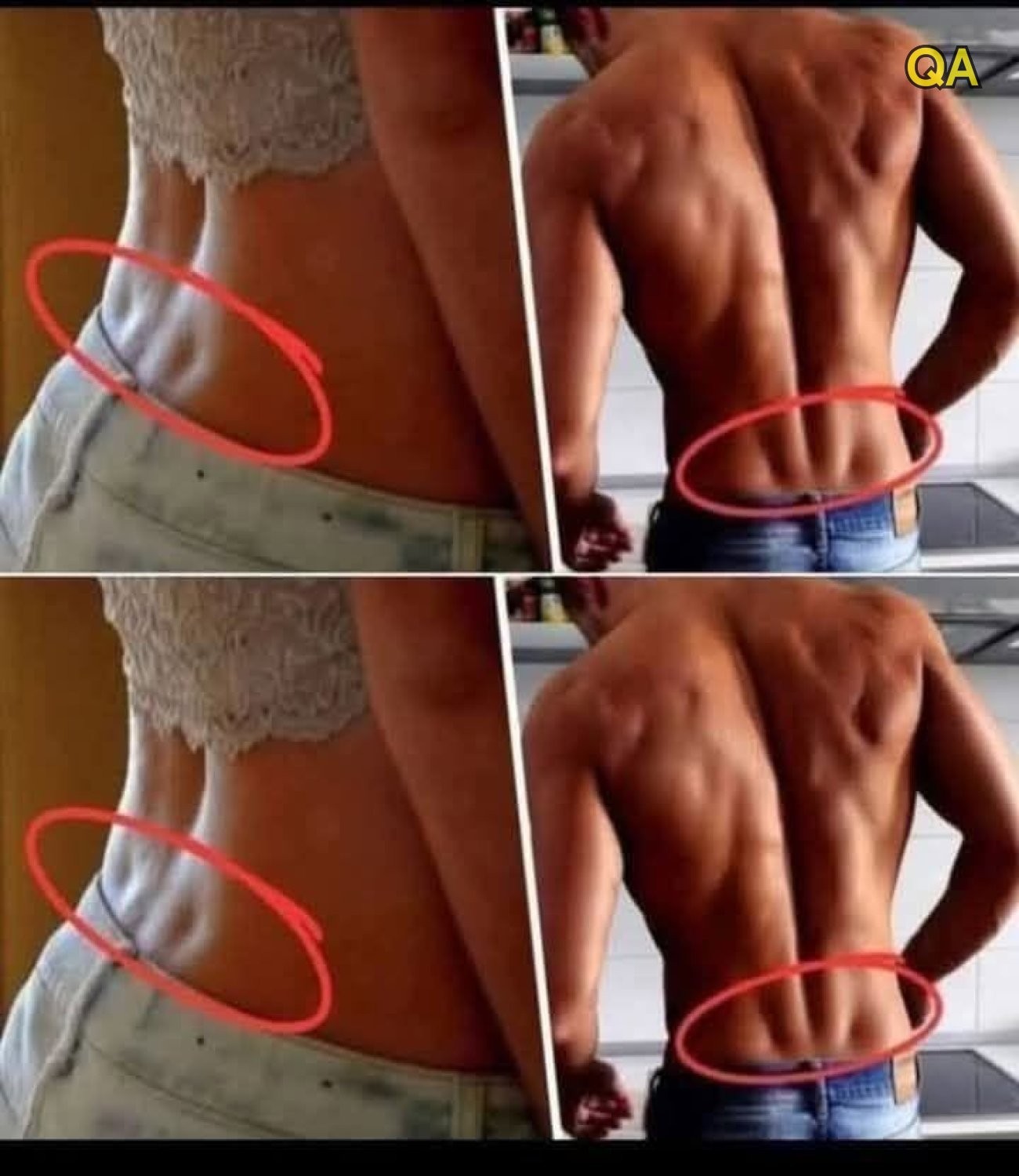
Small, symmetrical indentations near the lower back and just above the buttocks are often known as dimples of Venus. They are a common physical feature that has appeared in art, photography, and popular culture for centuries. In most cases, these dimples are simply a normal variation in human anatomy and are not a sign of health, fitness, or disease.
Despite their familiar name, dimples of Venus are not exclusive to women. Similar lower-back indentations can occur in people of any sex. The term is largely cultural and aesthetic, referring to Venus, the Roman goddess associated with love and beauty. Medical professionals may instead describe the area using anatomical terms related to the pelvis, lower spine, and skin.
Understanding why these dimples appear can help separate common body differences from symptoms that deserve medical attention. While longstanding, painless, symmetrical lower-back dimples are usually harmless, a new change in the skin or a dimple accompanied by pain, swelling, drainage, or neurological symptoms should be discussed with a qualified healthcare professional.
What Are Dimples of Venus?
Dimples of Venus are shallow depressions in the skin located on either side of the lower back, usually above the upper part of the buttocks. They typically sit near the posterior superior iliac spines, which are bony points at the back of the pelvis. These landmarks are part of the iliac bones, the large bones that form the upper portion of the pelvis.
The dimples are created by the way skin, connective tissue, muscle, and underlying bone are arranged in this area. In people who have them, a short fibrous connection may tether the skin to deeper structures around the pelvis. This can create a visible indentation, particularly when standing upright or when the lower back is extended.
They are sometimes called “back dimples,” “sacral dimples,” or “lumbar dimples” in casual conversation. However, these terms do not always mean the same thing. A dimple positioned higher and to either side of the lower back is commonly what people mean by dimples of Venus. A sacral dimple, by contrast, often refers to a small indentation closer to the midline of the lower spine, usually near the crease between the buttocks. The distinction can be important in newborn and pediatric care.
Why Do Some People Have Lower-Back Dimples?
The presence of dimples of Venus is primarily linked to inherited body structure. Genetics influence the shape of the pelvis, the distribution of connective tissue, the location of skin attachments, and the way muscles and fat are arranged beneath the skin. As a result, some people naturally have visible dimples while others do not.
Body composition can affect how noticeable the indentations are, but it does not create the underlying anatomical attachment in every person. Lower levels of subcutaneous fat may make the bony contours and skin depressions easier to see. Conversely, changes in weight, muscle development, posture, lighting, or body position may make dimples appear less obvious at different times.
There is no evidence that dimples of Venus reliably indicate athletic ability, fertility, sexual health, or overall wellness. Online claims sometimes suggest that these dimples reveal specific health characteristics, but such statements are not supported by established medical research. They are best understood as a normal anatomical trait, much like variations in facial dimples, height, or the shape of the collarbones.
Are Dimples of Venus More Common in Women?
The phrase “dimples of Venus” has traditionally been used in reference to women, largely because of historical artistic conventions. However, lower-back dimples can occur in men as well. In men, they are sometimes informally called “dimples of Apollo,” after the Greek and Roman god associated with beauty and strength. Neither name is a formal medical diagnosis.
Visibility may vary between individuals because pelvis shape, soft tissue distribution, and skin structure differ from person to person. These differences do not make the feature inherently masculine or feminine. A person’s sex, body size, age, or fitness level cannot reliably predict whether they will have visible lower-back dimples.
Dimples of Venus and Normal Human Anatomy
From an anatomical perspective, the lower back is a complex transition zone between the spine and pelvis. The lumbar vertebrae support much of the upper body, while the sacrum connects the spine to the pelvic bones. Ligaments, fascia, muscles, and connective tissues stabilize this region during movement, sitting, standing, and walking.
The dimples are generally found near the pelvic landmarks used by clinicians when assessing posture, pelvic alignment, or the location of structures in the lower back. Their visibility alone does not indicate that a person has an unusually shaped spine, weak muscles, or a pelvic problem. They are external surface features rather than a diagnosis.
For many people, the dimples remain relatively stable throughout life. They may become more or less visible after changes in body weight, pregnancy, aging, strength training, or changes in posture. These shifts are often related to normal changes in soft tissue rather than a concern involving the bones or spine.
Can Exercise Create Dimples of Venus?
Exercise cannot reliably create dimples of Venus if the underlying skin attachments are not present. Strength training, physical activity, and changes in body composition may make existing dimples more visible for some people, especially if muscle definition increases or body fat changes. But exercise does not alter a person’s genetics or fundamentally change the connective-tissue pattern that produces these indentations.
It is also important to approach fitness content with realistic expectations. No targeted exercise can reduce fat from only one area of the body, including the lower back. Physical activity can support cardiovascular health, muscle strength, mobility, sleep, and mental well-being, but visible changes vary widely between individuals.
People who want to become stronger or improve lower-back comfort may benefit from a balanced program that includes walking or other aerobic activity, resistance training, flexibility work, and core stability exercises. A physiotherapist, certified exercise professional, or clinician can offer individualized guidance, particularly for people with ongoing back discomfort or a history of injury.
How Dimples of Venus Differ From Sacral Dimples
Although the terms are sometimes used interchangeably, dimples of Venus and sacral dimples are not necessarily the same. Dimples of Venus are usually paired, located to the left and right of the lower back, and associated with the bony area at the back of the pelvis. They are commonly seen in older children and adults and are generally benign.
A sacral dimple is usually a single indentation near the center of the lower back, often just above the buttock crease. Many sacral dimples are also harmless, especially when they are small, shallow, close to the crease, and present without other skin changes. They are frequently noticed during newborn examinations.
Clinicians may take a closer look at certain sacral dimples in infants because, in uncommon cases, they can be associated with an underlying spinal development difference. Features that may prompt further evaluation include a dimple that is unusually large or deep, located higher on the back, associated with a tuft of hair, skin discoloration, a skin tag, a fatty lump, drainage, or an opening that is difficult to see into. Medical teams assess these findings in context and may recommend imaging when appropriate.
Parents and caregivers should not assume that every lower-back dimple indicates a problem. The vast majority of simple sacral dimples are not linked to serious conditions. Still, it is sensible to mention any dimple, skin mark, or unusual feature noticed on a newborn’s lower back during routine pediatric visits.
When Should You Seek Medical Advice?
For adults and older children, stable and painless dimples of Venus usually do not require treatment or testing. However, healthcare advice is appropriate when a change is new, persistent, or accompanied by other symptoms. A clinician can examine the area and determine whether the concern is related to the skin, muscles, spine, or another cause.
Consider contacting a healthcare professional if a lower-back indentation is associated with:
- New or increasing pain in the lower back, pelvis, or buttocks
- Redness, warmth, swelling, tenderness, or drainage from the skin
- A rapidly changing lump, skin lesion, or discoloration
- Numbness, weakness, tingling, or changes in balance
- Changes in bladder or bowel control, which require prompt medical assessment
- A dimple in a newborn that appears deep, unusually placed, or accompanied by other skin findings
These symptoms do not mean that dimples of Venus themselves are dangerous. Rather, they may point to a separate issue that deserves evaluation. Back pain, for example, is common and can have many causes, including muscle strain, joint problems, disc-related conditions, inflammatory disorders, or other medical concerns. A visible dimple is not enough to identify the cause.
Body Image, Beauty Standards, and Social Media
Lower-back dimples are often presented online as a desirable beauty feature. While many people appreciate them as part of their appearance, it is important to recognize that beauty standards can create unnecessary pressure. The presence or absence of dimples of Venus has no bearing on a person’s value, health, attractiveness, or fitness.
Social media images may also be affected by posture, camera angles, lighting, editing, and selective presentation. Comparing one’s body to highly curated images can contribute to dissatisfaction or unrealistic expectations. Health information is most useful when it focuses on comfort, function, prevention, and evidence-based care rather than the pursuit of a particular physical trait.
Anyone experiencing significant distress about appearance may find it helpful to speak with a trusted healthcare professional or mental health provider. Supportive conversations can help people develop a healthier relationship with body image and identify practical resources when needed.
Do Dimples of Venus Need Treatment?
In the absence of symptoms, dimples of Venus do not need medical treatment. They are a normal anatomical variation, not a medical condition. There is no health reason to remove, deepen, or alter them.
Cosmetic procedures promoted online should be approached cautiously. Any invasive procedure can involve risks such as infection, scarring, uneven results, anesthesia complications, and dissatisfaction with the outcome. People considering cosmetic treatment should seek advice from appropriately licensed, qualified medical professionals and discuss expected results, alternatives, risks, and recovery in detail.
For most people, the simplest and most accurate conclusion is that lower-back dimples are one of many natural differences in body shape. They may be visible, subtle, or absent altogether, and all of these variations are normal.
Key Takeaways About Dimples of Venus
Dimples of Venus are small, usually symmetrical lower-back indentations near the back of the pelvis. They are generally caused by normal anatomical structure and genetic variation. Their appearance may be influenced by body composition and posture, but they are not a dependable marker of health, fitness, or fertility.
It is useful to distinguish these paired dimples from sacral dimples, particularly in newborns. Most simple sacral dimples are harmless, but pediatric clinicians may assess unusual dimples or associated skin features more closely. At any age, new pain, swelling, drainage, neurological symptoms, or bladder and bowel changes should be evaluated by a healthcare professional.
Ultimately, dimples of Venus are a common and usually harmless aspect of human anatomy. Accurate information can help people appreciate normal body variation while recognizing the situations in which professional medical guidance is appropriate.
Sources
Disclaimer: This content is intended for entertainment purposes only and is not based on real events.