
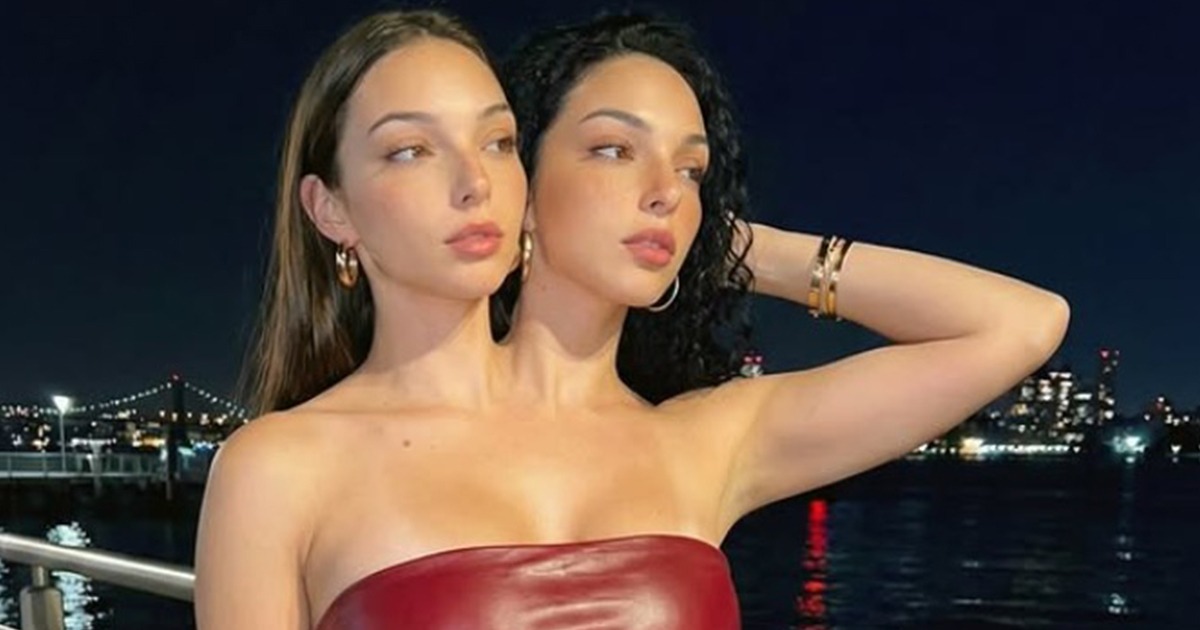
In late 2025, two figures began appearing across social platforms, quickly drawing attention for their unusual appearance and synchronized presence. Known online as Valeria and Camila, the pair were introduced as conjoined twins—joined at the base of the neck—and within a short period, their account surged to nearly 300,000 followers.
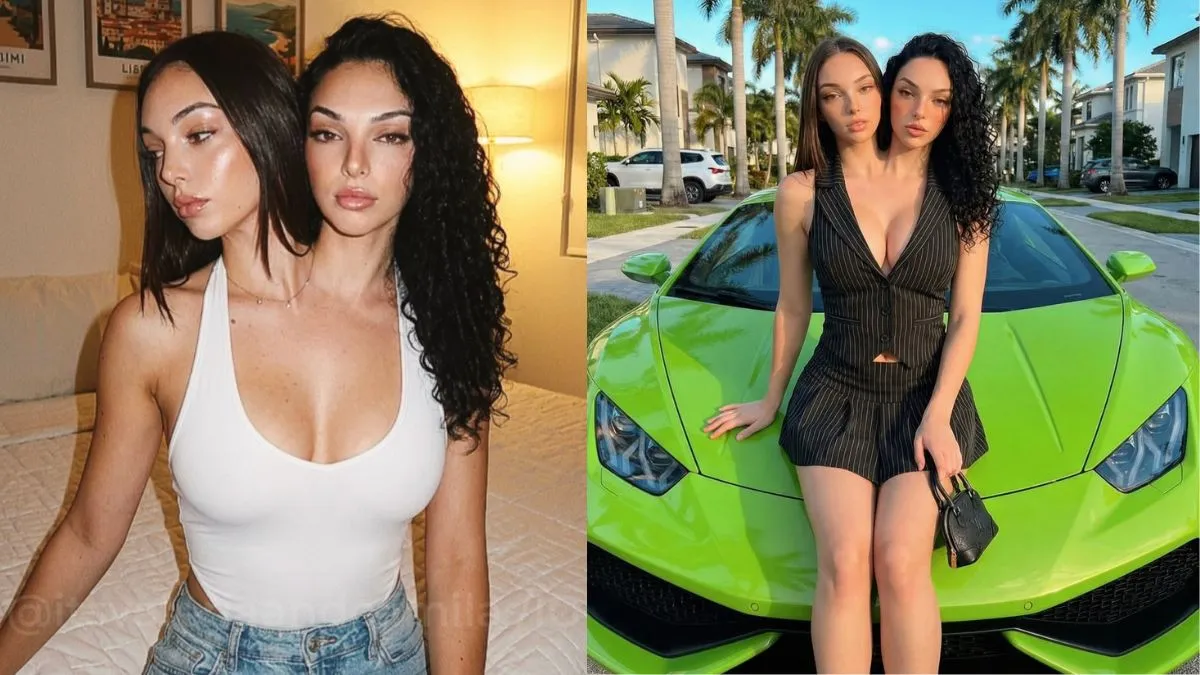
Their rise was rapid, fueled by striking visuals, coordinated posts, and a steady stream of lifestyle content. From beach photos to casual daily routines, everything about their presence seemed polished, consistent, and designed to engage.
But alongside their growing popularity came a question that spread just as quickly: are Valeria and Camila real, or are they a product of advanced digital creation?

Why the Internet Is Divided
Social media audiences are no strangers to unusual or eye-catching content. However, what made this case different was the level of realism combined with subtle inconsistencies.
Some viewers pointed out that the twins’ movements in videos appeared slightly too synchronized. Others noticed lighting irregularities or background distortions—details often associated with AI-generated visuals.
At the same time, many followers defended their authenticity, arguing that real conjoined twins exist and that unusual anatomy should not automatically be dismissed as fake.
This divide reflects a broader shift in how people consume content online. With the rise of tools from companies like OpenAI and Meta, highly realistic digital humans are no longer science fiction. As a result, distinguishing reality from simulation has become increasingly complex.
Understanding Conjoined Twins in Reality
Before jumping to conclusions, it’s important to understand what conjoined twins actually are.
From a medical perspective, conjoined twins occur when identical twins do not fully separate during early development. This condition is rare, and its presentation can vary widely depending on how the bodies are connected.
Medical research institutions such as Mayo Clinic and Cleveland Clinic explain that some twins share organs, while others are connected in ways that still allow for a degree of independent movement.
In popular culture, well-documented cases like Abby and Brittany Hensel have shown that conjoined twins can live active, public lives, challenging assumptions about limitations.
This context is important because it reminds us that unusual appearances do not automatically imply fabrication.
Signs That Spark AI Speculation
Despite the real-world basis for conjoined twins, several aspects of Valeria and Camila’s content have led to ongoing skepticism.
Observers have highlighted extremely smooth skin textures, near-perfect symmetry, and highly controlled camera angles. These elements are often associated with AI-generated imagery or heavily edited content.
Additionally, some videos reportedly show subtle visual glitches—moments where movement doesn’t fully align with natural physics. While these could be the result of editing or compression, they also resemble artifacts seen in synthetic media.
Still, none of these observations serve as definitive proof. In today’s digital environment, even real footage can appear artificial due to filters, enhancements, and algorithmic processing.
The Role of AI in Modern Influencer Culture
The rise of virtual influencers has added another layer to this discussion.
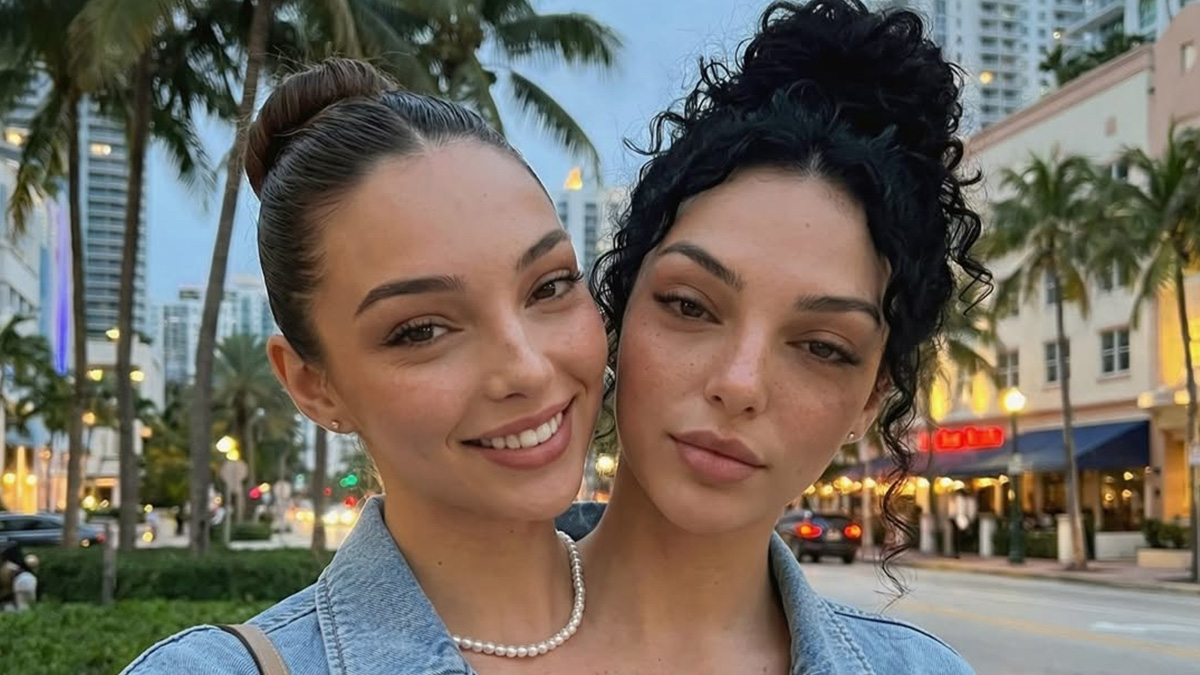
Digital personalities—sometimes entirely computer-generated—have gained large followings online. These figures are often managed by creative teams who script their content, design their appearance, and control their interactions.
Platforms like Instagram have become key spaces where the line between real and virtual identities continues to blur.
In this context, the case of Valeria and Camila fits into a larger trend rather than standing alone. Whether real or not, their popularity reflects an audience that is increasingly comfortable engaging with ambiguous or hybrid forms of identity.
Why People Are So Fascinated
Part of the appeal lies in curiosity.
Humans are naturally drawn to stories that challenge expectations. The idea of conjoined twins living a glamorous, social media-driven lifestyle already breaks conventional narratives. Adding the possibility of AI involvement makes the story even more intriguing.
There is also a psychological element at play. When something looks almost real but not quite, it creates a sense of uncertainty often referred to as the “uncanny valley.” This feeling encourages deeper scrutiny and discussion, which in turn drives engagement.
Ethical and Cultural Considerations
The conversation surrounding Valeria and Camila also raises important questions.
If they are real individuals, speculation about their authenticity could be seen as dismissive or insensitive. On the other hand, if they are digitally created, transparency becomes an ethical issue—especially when audiences form emotional connections with online personalities.
Experts often emphasize the importance of media literacy in navigating such situations. Understanding how content is created, edited, and distributed helps viewers make more informed judgments.
Organizations like the World Health Organization and various academic institutions have increasingly highlighted the impact of digital environments on perception and trust.
What We Know So Far
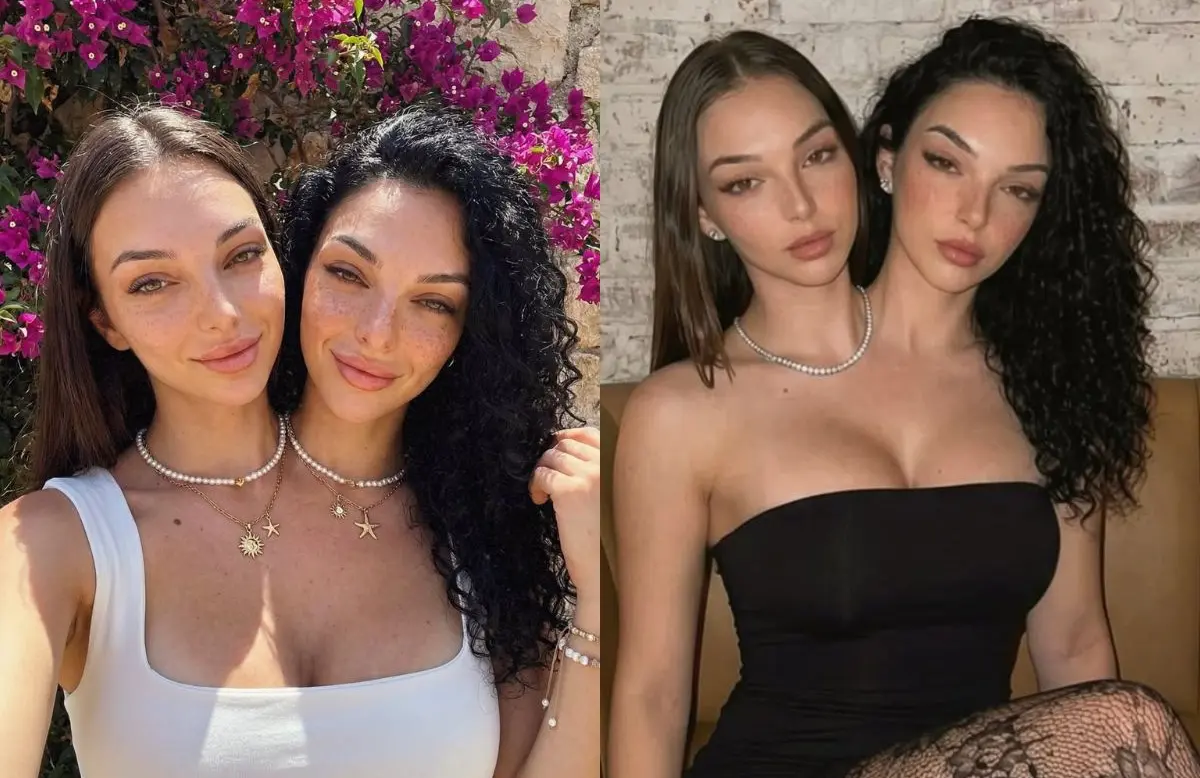
As of now, there is no publicly verified confirmation regarding the true nature of Valeria and Camila.
No official statements, credible interviews, or independent verifications have definitively clarified whether they are real people, a creative project, or something in between.
This lack of clear information is part of what keeps the story alive. In the absence of answers, speculation fills the gap.
A Reflection on Digital Reality
Whether Valeria and Camila are authentic or digitally crafted may ultimately matter less than what their story represents.
They highlight a turning point in how reality is constructed and perceived online. The tools available today allow creators to blur boundaries in ways that were previously impossible.
For audiences, this means adapting to a new kind of media landscape—one where seeing is no longer the same as believing.
Conclusion: Curiosity in the Age of Uncertainty
The story of Valeria and Camila sits at the intersection of biology, technology, and culture.
It invites questions rather than offering clear answers. And perhaps that is why it resonates so strongly.
In a world where reality and simulation increasingly overlap, curiosity becomes both a guide and a challenge. It pushes us to look closer, think critically, and remain open to multiple possibilities.
Because sometimes, the most compelling stories are not the ones that are fully explained—but the ones that make us question what we thought we understood.