

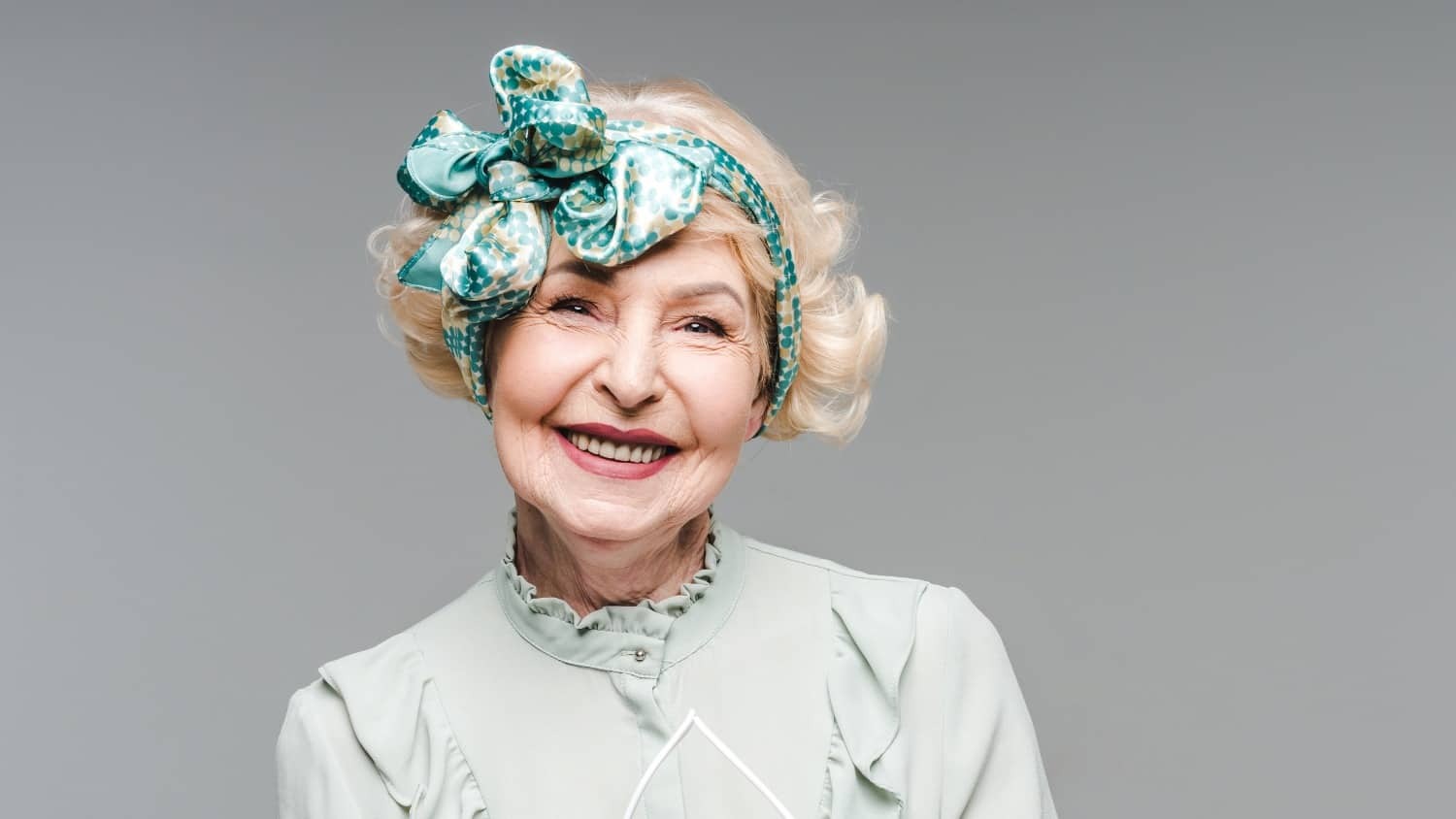
Beauty is often described as something tied to youth, but life tells a more meaningful story. Many people have met women whose presence becomes even more captivating with age. It is not always about flawless skin or perfectly styled hair. Instead, it is often their confidence, calm energy, and natural elegance that leave a lasting impression.
Across cultures and generations, aging gracefully has been surrounded by admiration and symbolism. In some traditions, older women are viewed as guardians of wisdom and emotional strength. Folklore, literature, and family stories frequently portray mature women as figures of balance and resilience. While these ideas may sound romanticized, modern science also suggests that emotional well-being, healthy routines, and positive social connections can strongly influence how people look and feel over time.
The connection between beauty and aging is therefore not only cosmetic. It reflects lifestyle choices, emotional health, self-respect, and even the way a person interacts with the world around them. Although no habit can completely stop the natural aging process, certain routines may help women maintain a vibrant and confident appearance as they grow older.
Here are six habits often associated with women who seem to become more radiant with time.
The Connection Between Aging and Beauty
The idea of beauty evolves throughout life. During youth, appearance is often linked to genetics, smooth skin, and physical energy. With age, however, beauty becomes more layered and personal. Confidence, emotional maturity, and self-awareness begin to shape how others perceive someone.
Scientific studies in psychology suggest that people are often drawn to traits such as warmth, authenticity, and emotional stability. These characteristics can become more noticeable with age because life experience tends to strengthen them. In many cultures, mature beauty is associated with grace, wisdom, and composure rather than perfection.
At the same time, biology still plays a role. Lifestyle choices involving sleep, exercise, nutrition, stress management, and skincare can affect skin texture, posture, and overall vitality. The habits below combine both cultural observations and scientific perspectives.
Habit 1: Maintaining Good Posture and Intentional Movement
One of the first things people notice is posture. Standing upright with relaxed shoulders and moving calmly can create an impression of confidence and elegance before a single word is spoken.
In storytelling traditions across different cultures, graceful posture has long symbolized dignity and self-assurance. Historical portraits of queens, artists, and respected community figures often emphasize poised body language. While some of this symbolism may be cultural interpretation, science offers its own explanation.
Researchers studying body language and embodied cognition suggest that posture can influence both how others perceive us and how we feel internally. Standing tall may support feelings of confidence and emotional balance. Good posture can also improve breathing and reduce physical strain on muscles and joints.
As people age, posture naturally changes because of muscle loss, long hours of sitting, and reduced flexibility. However, habits such as stretching, walking, yoga, and strength exercises may help maintain balance and mobility. Women who move with calm intention often appear more energetic and self-assured regardless of age.

Habit 2: Consistent and Gentle Self-Care
Many skincare trends promise dramatic transformations, yet experts frequently emphasize consistency over complexity. Women who appear naturally radiant often follow simple routines they can maintain for years rather than constantly chasing new trends.
Cultural beauty rituals from around the world reflect this idea. In some Asian traditions, skincare is viewed as a form of long-term self-respect rather than a quick fix. Mediterranean cultures have also historically valued natural oils, hydration, and sun protection.
Modern dermatology supports several of these practices. Daily cleansing, moisturizing, and protecting the skin from excessive sun exposure are widely recommended. Research suggests that ultraviolet exposure contributes significantly to visible skin aging, including dryness and uneven texture.
Hydration is another important factor. As skin matures, it may lose moisture more easily. Moisturizers help support the skin barrier and maintain softness. Sleep quality, hydration, and nutrition can also influence skin appearance over time.
Importantly, self-care extends beyond products. Relaxation, emotional balance, and healthy routines may affect stress hormones, which are linked to skin health and overall well-being.
Habit 3: Developing Personal Style Instead of Following Every Trend
Fashion trends change constantly, but personal style often becomes stronger with age. Many women grow more confident in choosing clothing that reflects their personality instead of trying to match every new trend.
Throughout history, clothing has symbolized identity and social expression. In literature and cinema, mature characters with distinctive style are often portrayed as memorable because they understand themselves deeply. This cultural idea aligns with psychological research known as “enclothed cognition,” which explores how clothing may influence confidence and behavior.
Women who develop a personal sense of style often choose colors, fabrics, and shapes that make them feel comfortable and authentic. Instead of dressing to meet outside expectations, they focus on expressing who they are.
This authenticity can create a strong impression. Confidence in appearance is often more noticeable than expensive fashion items. Feeling comfortable in clothing may also reduce self-consciousness, allowing natural personality and warmth to stand out.
Habit 4: Keeping a Warm and Relaxed Expression
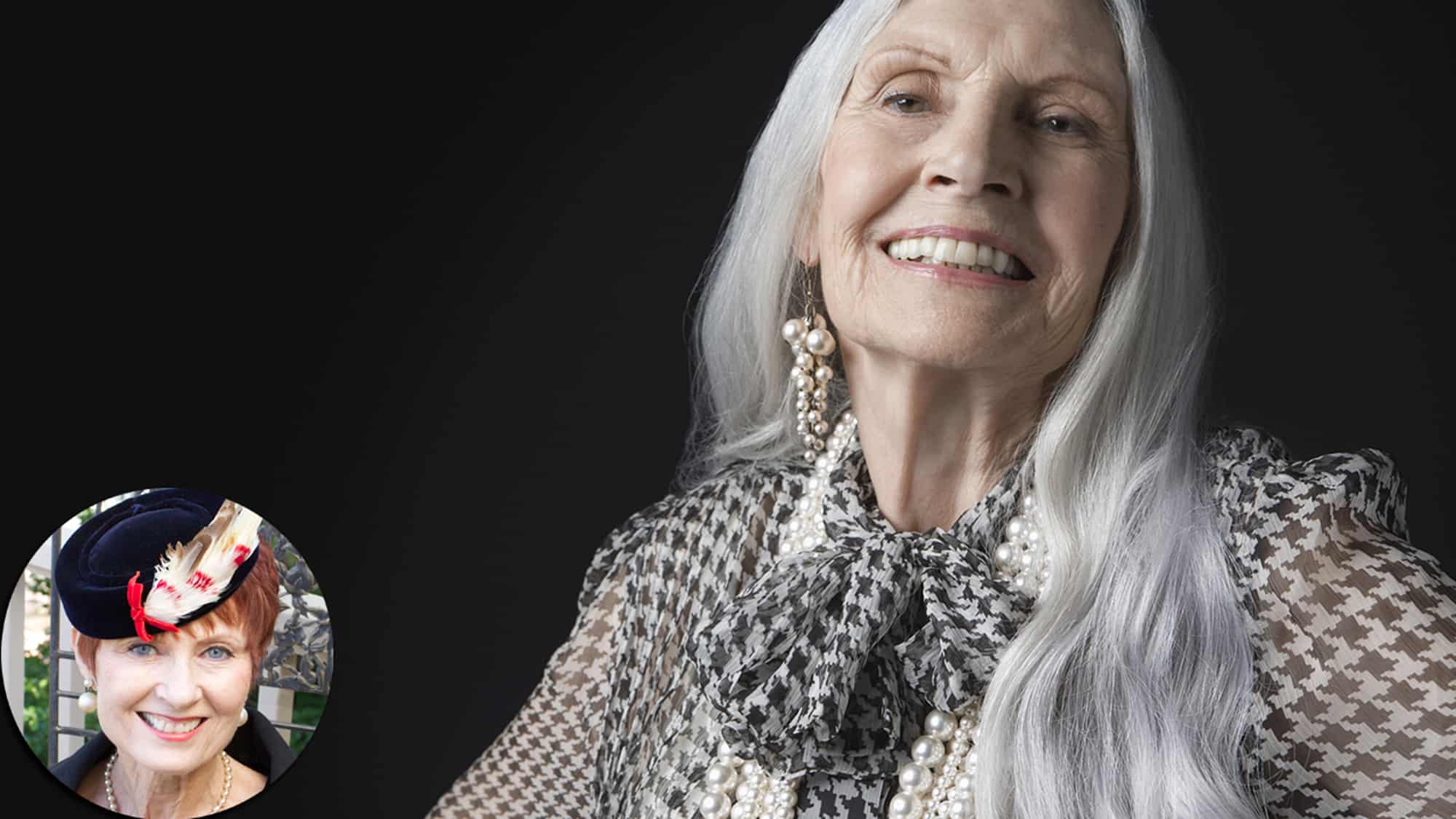
A smile is one of the most universally appreciated expressions. Beyond social interaction, facial expressions may also influence emotional well-being.
Many cultures associate smiling with kindness, openness, and inner peace. Family stories and traditional sayings often describe warm expressions as signs of a generous spirit. While some of these ideas are symbolic, psychology research has explored similar concepts.
Studies suggest that smiling can activate positive emotional responses in the brain. Neurotransmitters linked to mood and relaxation may increase during positive social interactions. Relaxed facial expressions may also reduce visible tension around the eyes and forehead.
Over time, repeated emotional habits can subtly shape facial appearance. Someone who frequently appears tense may develop a more strained expression, while a relaxed and friendly demeanor can create a softer appearance.
This does not mean people should hide difficult emotions or force constant happiness. Instead, it highlights how emotional balance and meaningful social connections may contribute to a vibrant presence over time.
Habit 5: Staying Curious and Mentally Engaged
One of the most noticeable qualities in vibrant older women is often their curiosity. They continue learning, reading, exploring hobbies, and engaging with the world around them.
In mythology and storytelling, wise older characters are frequently portrayed as lifelong learners. Their beauty comes not only from appearance but from energy, humor, and insight. Science offers support for this idea as well.
Research on cognitive health suggests that mentally stimulating activities may help support emotional resilience and cognitive flexibility. Reading, learning languages, solving puzzles, engaging in conversations, and exploring creative interests can keep the mind active.
Curiosity may also influence social confidence. People who remain interested in life often appear more energetic and approachable. Their enthusiasm creates a sense of vitality that others naturally notice.
Stress management also plays a role here. Chronic stress has been associated with physical aging processes in some scientific studies. Activities that encourage relaxation and emotional engagement may therefore support both mental and physical well-being.
Habit 6: Treating Movement as a Form of Self-Respect
Exercise is sometimes presented as a way to achieve a perfect appearance, but many women who age gracefully approach movement differently. Instead of punishment or pressure, they see physical activity as a way to support health and energy.
Traditional cultures have long connected movement with vitality. Dancing, walking, gardening, and stretching were often part of daily life rather than structured fitness routines. Today, researchers continue to study the benefits of regular movement for healthy aging.
Moderate physical activity supports circulation, flexibility, sleep quality, and muscle strength. Exercise may also help maintain balance and joint mobility over time. Activities such as yoga, swimming, walking, and light strength training are frequently recommended for long-term wellness.
Muscle maintenance becomes especially important with age because muscle mass naturally decreases over time. Staying active may support posture, energy levels, and overall mobility.
Equally important is the emotional side of movement. Exercise can support mood and reduce stress, contributing to a healthier and more confident outlook on life.
The Cultural Meaning of Graceful Aging
The fascination with graceful aging is not new. Ancient philosophies, traditional storytelling, and modern psychology all explore why certain individuals seem to grow more appealing with age.
In some cultures, aging symbolizes wisdom and emotional maturity. Folklore often portrays older women as advisors, healers, or keepers of family traditions. While these portrayals are partly symbolic, they reflect a broader admiration for confidence, resilience, and emotional depth.
Science cannot fully measure qualities such as charisma or inner peace, yet researchers increasingly recognize the connection between emotional health, social relationships, and physical well-being. The habits discussed above are not magical solutions, but they may contribute to a healthier and more balanced life.
Conclusion
Looking beautiful with age is rarely about chasing perfection. Instead, it often comes from alignment between physical care, emotional well-being, and personal confidence.
Women who appear radiant later in life usually share certain habits. They care for their bodies consistently, stay mentally engaged, move with intention, and embrace authenticity rather than comparison. Their beauty often reflects years of self-respect, resilience, and curiosity about life.
Although cultural myths sometimes romanticize graceful aging, science also suggests that lifestyle choices and emotional balance can shape how people look and feel over time. The most powerful transformations are often gradual and deeply personal.
Perhaps this enduring fascination with beauty and aging says something important about human nature itself. People are naturally curious about how confidence, wisdom, and self-care can influence the way someone shines throughout life. In the end, graceful aging may be less about resisting time and more about learning how to live fully within it.