

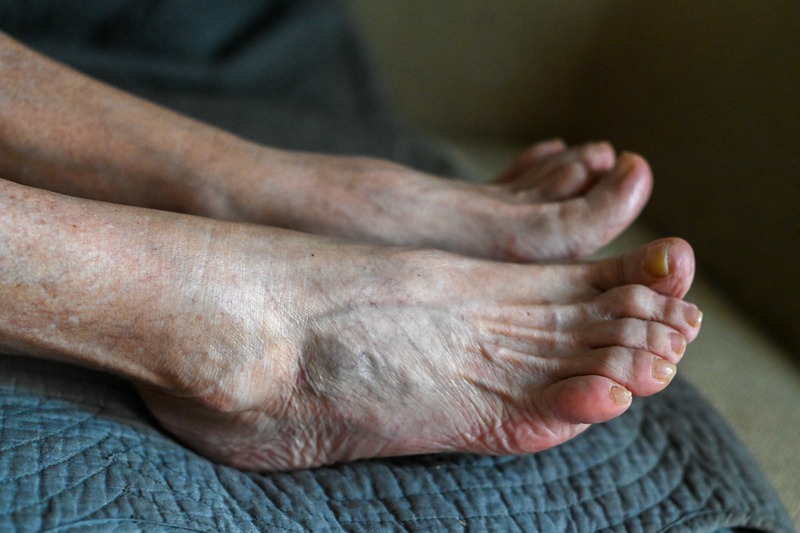
Most people rarely think about their feet beyond comfort, shoes, or occasional soreness after a long day. Yet throughout history, the feet have often been viewed as silent messengers of overall health. Ancient healing traditions in Asia, Europe, and the Middle East believed the condition of the feet could reflect balance within the body. While some of these ideas were symbolic or speculative, modern medicine also recognizes that the feet can sometimes reveal early clues about circulation and cardiovascular wellness.
Doctors today understand that healthy circulation plays a major role in keeping the feet warm, comfortable, and functioning properly. Because the feet are farthest from the heart, they rely heavily on steady blood flow to deliver oxygen and nutrients to tissues. When circulation becomes reduced over time, subtle changes may first appear in the lower legs and feet before other symptoms become noticeable.
These signs do not automatically mean someone has a serious condition. Many symptoms can have multiple causes, including aging, lifestyle factors, or temporary discomfort. However, paying attention to unusual changes may encourage earlier conversations with healthcare professionals and support better long-term wellness.
Below are some of the foot-related changes that doctors and researchers commonly discuss in relation to circulation health, along with the scientific explanations and cultural perspectives surrounding them.

Why the Feet Can Reflect Overall Circulation Health
The circulatory system works continuously to move oxygen and nutrients throughout the body. Arteries carry oxygen-rich blood from the heart to muscles, skin, and organs, while veins help return blood back toward the heart.
When circulation becomes less efficient due to narrowed arteries or other cardiovascular concerns, the lower extremities may be affected first. The feet are especially sensitive because they are far from the heart and depend on healthy blood flow for warmth, tissue repair, and movement.
Historically, many cultures viewed the feet as connected to overall vitality. Reflexology traditions, for example, suggested that different areas of the feet corresponded to organs and systems within the body. While scientific evidence for some of these ancient theories remains limited, modern medicine agrees that the feet can sometimes reveal valuable clues about circulation and nerve health.

Persistently Cold Feet
Cold feet are among the most commonly discussed signs linked to circulation issues. Many people occasionally experience cold feet during winter weather or after sitting still for long periods. However, feet that remain unusually cold even in warm environments may deserve attention.
When blood circulation slows, less warmth reaches the lower extremities. Some individuals notice one foot feeling colder than the other, which could reflect uneven circulation patterns.
Scientific research suggests that circulation changes, nerve sensitivity, stress, smoking, or metabolic conditions may all contribute to temperature differences in the feet. Cold feet alone do not confirm a cardiovascular issue, but they may become more meaningful when combined with other symptoms.
In folklore and traditional healing systems, cold extremities were often interpreted as signs of reduced energy flow or imbalance within the body. Although these older explanations were symbolic, they reflected long-standing observations about the connection between warmth and circulation.
Slow-Healing Cuts or Skin Irritation
Healthy circulation supports the body’s natural repair process. Oxygen and nutrients delivered through the bloodstream help tissues recover after everyday wear and minor injuries.
When circulation becomes less efficient, even small cuts, blisters, or areas of irritation on the feet may take longer to improve. Some people also notice dry skin or fragile tissue that becomes irritated more easily.
Doctors frequently encourage individuals with diabetes or circulation concerns to inspect their feet regularly because reduced sensation may make it harder to notice discomfort early.
Scientific studies continue exploring how circulation affects tissue repair and skin health. While slow healing can occur for many reasons, ongoing or unusual skin changes should not be ignored.
Traditional cultures often placed strong emphasis on foot care for similar reasons. Herbal baths, massage, and daily foot cleaning rituals were believed to support vitality and comfort, particularly in older adults.
Discomfort While Walking
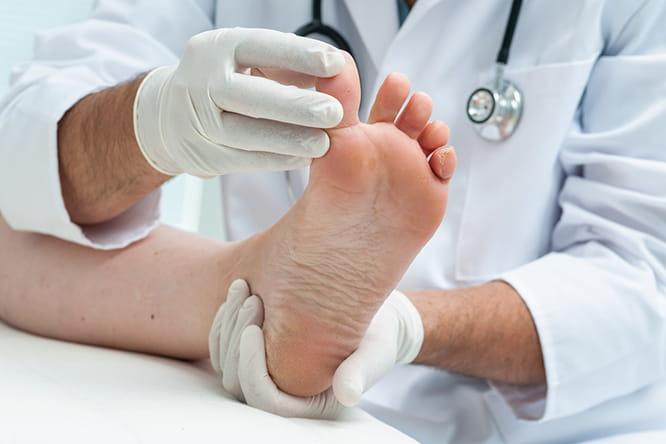
Another symptom often associated with circulation changes is discomfort that appears during walking or physical activity and improves with rest.
Some people describe the feeling as tightness, heaviness, cramping, or fatigue in the calves, ankles, or feet. Researchers studying circulation health note that muscles require more oxygen during activity, which may explain why symptoms become more noticeable during movement.
Because the sensation often develops gradually, many people assume it is simply part of normal aging or overexertion. However, recurring discomfort during activity may sometimes signal reduced blood flow.
Walking has long been associated with wellness across many cultures. Ancient philosophers promoted daily walking for physical and mental balance, while modern research supports its benefits for circulation, mobility, and cardiovascular function.
Changes in Skin Color or Texture
The appearance of the feet may also shift when circulation becomes reduced. Some individuals notice pale skin, bluish tones, or areas that appear darker than usual. Skin texture may become shinier, thinner, or drier over time.
Toenails can also change in appearance. Brittle or thickened nails may sometimes occur alongside circulation or nutritional concerns, though fungal infections and aging may also play a role.
Doctors emphasize that skin changes can have many possible explanations, which is why professional evaluation is important when symptoms persist.
Historically, healers often used skin color and texture as part of health observations. Although older interpretations sometimes included mystical explanations, modern medicine also relies heavily on visual examination to identify potential circulation issues.
Swelling in the Feet and Ankles
Swelling around the feet and ankles is another sign commonly linked to circulation and cardiovascular health. Fluid retention may occur after long travel, standing for extended periods, or warm weather. However, persistent swelling may indicate that circulation is not working as efficiently as it should.
Researchers explain that the body relies on proper blood flow and pressure balance to prevent excess fluid from accumulating in tissues. When circulation changes occur, fluid may collect more easily in the lower legs and feet.
Some people notice swelling becoming more visible later in the day or after sitting for long periods. Gentle movement, hydration, and elevating the feet may sometimes provide temporary relief.
In many traditional wellness systems, swollen feet were viewed as signs that the body required rest and balance. Today, healthcare professionals continue to study how circulation, inflammation, and lifestyle factors contribute to fluid retention.
Tingling or Numbness Sensations
Pins-and-needles sensations or numbness in the feet can sometimes occur when circulation or nerve function is affected. Sitting in one position for too long may temporarily reduce circulation and create tingling sensations, but persistent numbness deserves attention.
Nerves rely on healthy oxygen delivery to function properly. Reduced circulation may influence how nerves communicate with muscles and skin tissues.
Scientific studies also note that diabetes, vitamin deficiencies, posture, and nerve compression may contribute to numbness. Because symptoms can overlap between different conditions, medical evaluation is often necessary for proper understanding.
Throughout history, unusual sensations in the hands and feet were often surrounded by superstition and symbolism. Some traditions interpreted tingling as signs of energy shifts or emotional stress. While science approaches these symptoms differently today, the fascination with bodily signals remains deeply rooted in human culture.
Lifestyle Habits That Support Healthy Circulation
Although genetics and aging influence cardiovascular health, lifestyle choices remain extremely important for maintaining healthy circulation.
Regular movement is one of the most effective habits for supporting blood flow. Walking, swimming, cycling, and stretching encourage circulation throughout the body and help maintain muscle strength and flexibility.
Nutrition also plays a major role. Diets rich in fruits, vegetables, whole grains, lean proteins, nuts, and healthy fats are often associated with better cardiovascular wellness. Reducing heavily processed foods and excessive sodium intake may also support healthier circulation over time.
Smoking is widely recognized as a major risk factor for circulation problems because it can damage blood vessels and reduce oxygen delivery. Stress management matters as well, since chronic stress may influence blood pressure and overall heart function.
Sleep quality, hydration, and maintaining a healthy body weight can also contribute to long-term cardiovascular wellness.
When to Speak With a Healthcare Professional
Many foot symptoms have harmless explanations, but persistent or unusual changes should not be ignored. Cold feet, swelling, discomfort during walking, numbness, or skin changes may sometimes reflect underlying circulation concerns that deserve professional evaluation.
Healthcare providers may use physical examinations, imaging, circulation tests, and lifestyle assessments to better understand symptoms. Early attention can help individuals make informed decisions about wellness and preventive care.
It is important to avoid self-diagnosis based solely on internet articles or social media discussions. Symptoms often overlap between multiple conditions, which is why professional guidance remains essential.
Conclusion
The feet are often overlooked in conversations about overall health, yet they quietly support the body every single day. Across cultures and generations, people have long believed the feet could reveal hidden truths about physical well-being. While some traditional ideas were symbolic or speculative, modern science also recognizes that circulation changes may sometimes appear in the feet before other symptoms become obvious.
Cold feet, swelling, skin changes, tingling sensations, and discomfort while walking do not automatically signal serious illness. However, paying attention to these signs may encourage earlier awareness and healthier lifestyle choices.
Perhaps this enduring fascination with the feet reflects something deeper about human curiosity itself. People naturally search for clues that help them better understand the body and protect long-term wellness. In the end, the small signals we notice every day may remind us how interconnected the body truly is.
Disclaimer: This article is for informational purposes only and does not provide medical advice, diagnosis, or treatment. Always consult a qualified healthcare professional regarding any health concerns or symptoms.