

Disclaimer: This article is for informational purposes only and does not provide medical advice, diagnosis, or treatment. Always consult a qualified healthcare professional regarding any health concerns, supplements, or lifestyle changes.
For many people, artery health is something they rarely think about until a doctor mentions cholesterol, circulation, or blood pressure. Yet the condition of our arteries quietly influences overall wellness every single day. These blood vessels carry oxygen and nutrients throughout the body, supporting everything from heart function to energy levels and mental clarity.
The gradual narrowing of arteries, often linked to the buildup of fatty substances and calcium deposits, tends to happen slowly over many years. Because the process develops gradually, many people may not notice obvious symptoms at first. This is why experts often encourage paying attention to long-term habits such as nutrition, exercise, stress management, and smoking avoidance.
Across different cultures, food has traditionally been viewed as part of preventive wellness. Ancient Mediterranean diets emphasized olive oil, garlic, vegetables, and fish, while Asian traditions often focused on fermented foods, herbs, and plant-based nutrition. Modern science continues to study how nutrients found in these foods may support cardiovascular health.
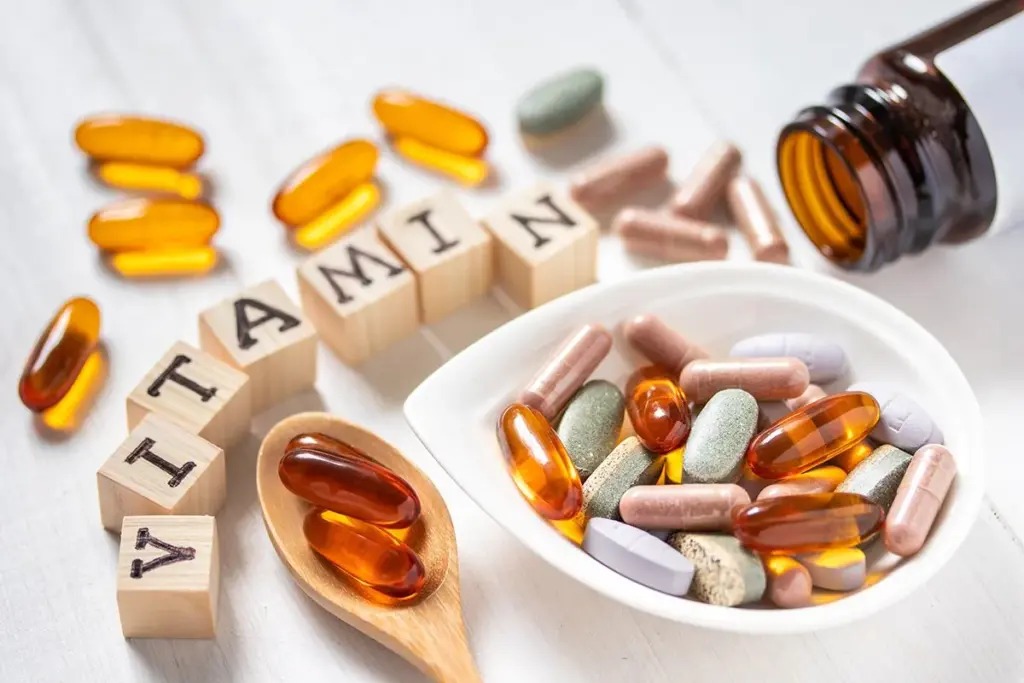
Although vitamins and supplements are not miracle solutions, researchers have explored how certain nutrients could contribute to healthy circulation, balanced inflammation levels, and blood vessel function. Here are six vitamins and natural compounds often discussed in relation to artery health, along with the scientific perspectives surrounding them.

Understanding Artery Health
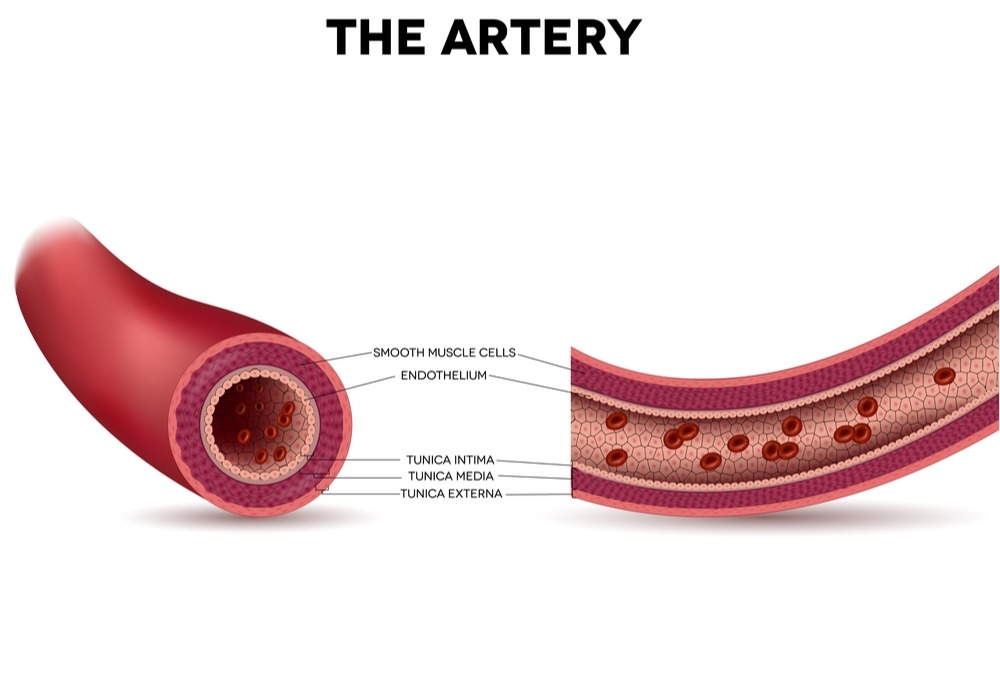
Arteries are flexible blood vessels that transport oxygen-rich blood from the heart to the rest of the body. Over time, factors such as smoking, high cholesterol, elevated blood pressure, limited physical activity, and poor dietary habits may affect how well these vessels function.
According to health organizations, maintaining healthy arteries is important for overall cardiovascular wellness. Symptoms linked to circulation concerns can vary widely and may include chest discomfort, tiredness during activity, or reduced stamina. However, symptoms alone cannot determine artery health, which is why medical evaluation remains important.
Researchers continue studying how nutrition may influence the body’s inflammatory response, cholesterol balance, and blood vessel flexibility. While supplements are often marketed aggressively online, most experts recommend focusing first on balanced nutrition and discussing supplements with a healthcare professional.
Vitamin K2 and Calcium Balance
Vitamin K2 has gained attention in recent years because of its possible role in calcium regulation within the body. Scientists are exploring how this vitamin may help guide calcium toward bones and teeth instead of allowing excessive buildup in soft tissues.
This idea has sparked interest because calcium accumulation inside arteries is sometimes associated with reduced flexibility over time. While research is still developing, some studies suggest that adequate vitamin K intake may support cardiovascular wellness as part of a balanced diet.
Traditionally fermented foods such as natto, certain cheeses, and fermented vegetables contain natural forms of vitamin K2. Some people also choose supplements, though healthcare providers generally recommend caution when combining vitamin K supplements with certain medications.
The cultural fascination with fermented foods is not new. For centuries, many communities viewed these foods as symbols of vitality and longevity. Although folklore often exaggerates health claims, science continues investigating whether some traditional dietary patterns may indeed support long-term wellness.

Vitamin C and Blood Vessel Flexibility
Vitamin C is commonly associated with immune health, but researchers also study its role in supporting blood vessel function. This vitamin contributes to collagen production, which helps maintain the structure of skin, tissues, and blood vessels.
Some scientific studies suggest that vitamin C’s antioxidant properties may help protect cells from oxidative stress. Oxidative stress is often discussed in relation to aging and cardiovascular wellness, though no single nutrient can completely prevent these processes.
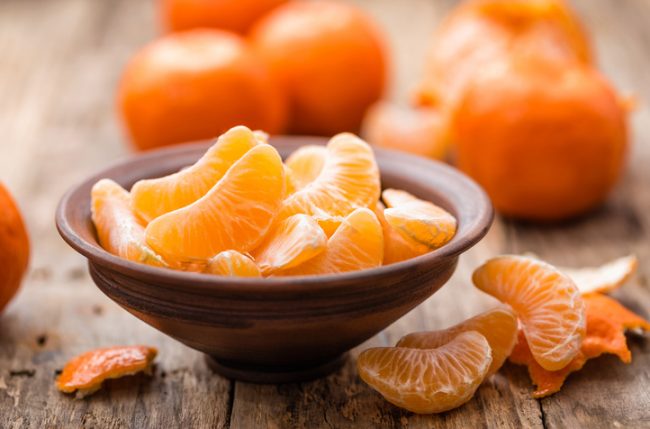
Many people prefer obtaining vitamin C naturally through fruits and vegetables such as oranges, berries, kiwi, bell peppers, and leafy greens. Diets rich in colorful produce are consistently associated with broader health benefits.
Historically, citrus fruits were treasured by sailors and travelers because they appeared to support overall wellness during long journeys. While older beliefs sometimes carried mythical explanations, modern nutrition science confirms that vitamin C is essential for human health.
Vitamin E and Antioxidant Support
Vitamin E is another nutrient frequently mentioned in discussions about circulation and heart wellness. Researchers have explored whether its antioxidant properties may help support healthy blood vessels and reduce cellular stress.
There are several forms of vitamin E, including tocopherols and tocotrienols. Some scientific interest has focused specifically on tocotrienols, though findings remain mixed and ongoing research is still needed.
Natural food sources of vitamin E include almonds, sunflower seeds, spinach, avocados, and olive oil. These foods are commonly featured in Mediterranean-style eating patterns, which are often associated with cardiovascular health.
Culturally, olive oil has long been celebrated as a symbol of vitality and longevity in Mediterranean communities. While some traditional stories may overstate its powers, many nutrition experts agree that balanced diets rich in healthy fats can support overall wellness.
Garlic and Traditional Wellness Practices
Garlic has been part of traditional health practices for thousands of years. Ancient civilizations in Asia, the Middle East, and Europe often viewed garlic as a symbol of strength and resilience.
Modern researchers continue studying compounds found in garlic, particularly allicin, to better understand how they may affect circulation and cardiovascular health. Some studies suggest garlic may support healthy cholesterol levels and blood pressure when included as part of a balanced lifestyle.
Fresh garlic remains popular in cooking, though supplements and aged garlic extracts are also widely available. Because garlic can interact with certain medications, especially those affecting blood clotting, medical guidance is important before taking concentrated supplements.
The enduring popularity of garlic highlights how traditional food wisdom sometimes overlaps with scientific curiosity. Even when folklore includes exaggerated claims, many natural foods continue to attract attention because of their nutritional value.
Krill Oil and Omega-3 Fatty Acids
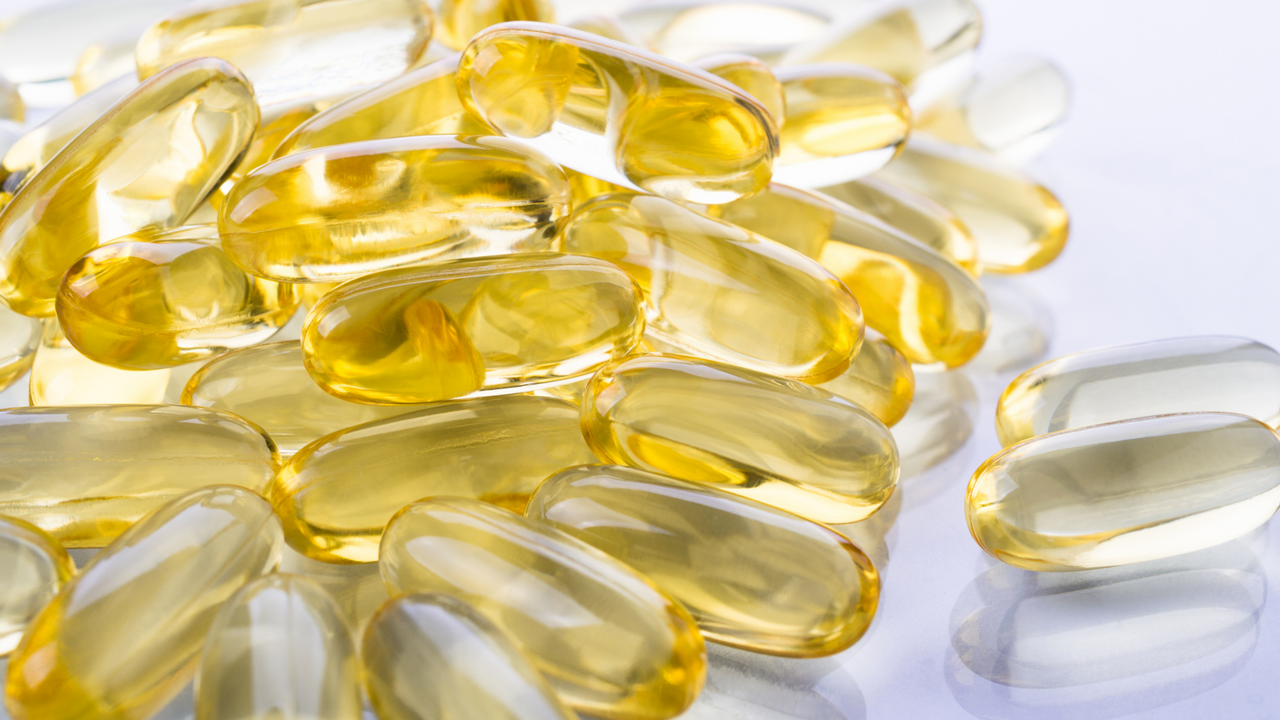
Krill oil is often discussed alongside fish oil because it contains omega-3 fatty acids, nutrients linked to heart and circulation health. Researchers study omega-3s for their potential role in supporting balanced inflammation levels and healthy cholesterol profiles.
Krill oil also contains antioxidants such as astaxanthin, which contributes to its reddish color. While some supplement companies promote dramatic claims, scientific evidence remains more cautious and emphasizes overall dietary patterns rather than quick fixes.
Fatty fish like salmon, sardines, and mackerel remain among the most established natural sources of omega-3s. Many health organizations recommend including fish regularly in a balanced diet when appropriate.
Historically, coastal cultures with seafood-rich diets often developed reputations for longevity and vitality. While genetics and lifestyle also play major roles, researchers continue examining how marine-based nutrition influences cardiovascular wellness.
Evening Primrose Oil and Inflammation Research
Evening primrose oil is less commonly discussed than other supplements, but it occasionally appears in conversations about wellness and inflammation support. It contains gamma-linolenic acid, a type of omega-6 fatty acid that researchers continue studying.
Some individuals use evening primrose oil for skin comfort and hormonal wellness, while others explore its potential anti-inflammatory properties. However, scientific evidence regarding artery health remains limited and inconclusive.
Because supplements can interact with medications or existing health conditions, experts generally encourage careful consultation before regular use.
The popularity of botanical oils reflects humanity’s long-standing fascination with plant-based remedies. Across cultures, people have often turned to nature in search of balance and healing. While modern science does not confirm every traditional belief, it continues exploring which plant compounds may have measurable benefits.
Lifestyle Still Matters Most
Although vitamins and supplements receive a great deal of attention online, most cardiovascular experts agree that lifestyle habits remain the foundation of artery health.
Balanced nutrition, regular movement, quality sleep, stress management, and avoiding smoking are consistently linked to better cardiovascular outcomes. Whole foods rich in fiber, healthy fats, fruits, vegetables, and lean proteins are generally considered more valuable than relying entirely on supplements.
Exercise also plays an important role by supporting circulation, energy balance, and overall cardiovascular function. Even moderate activities such as walking, stretching, swimming, or cycling may contribute to long-term wellness when practiced consistently.
Hydration and emotional well-being matter too. Chronic stress can affect sleep, blood pressure, and daily habits, all of which may influence heart health over time.
Conclusion
The growing interest in vitamins and artery health reflects something deeply human: the desire to protect vitality and maintain wellness as life moves forward. While supplements such as vitamin K2, vitamin C, vitamin E, garlic, krill oil, and evening primrose oil continue attracting scientific interest, no single nutrient offers a magical solution.
Instead, the strongest evidence still points toward balanced living. Nutritious food, regular movement, emotional balance, and consistent healthcare habits appear far more important than any quick trend.
Cultural traditions have long connected food and natural remedies with longevity and strength. Some of these beliefs may contain exaggeration or symbolism, yet they also reflect centuries of observation about how lifestyle shapes health. Modern science continues exploring where traditional wisdom and evidence-based medicine intersect.
In the end, our fascination with heart health is about more than arteries alone. It reflects humanity’s enduring curiosity about how small daily choices may influence energy, resilience, and quality of life over time.