



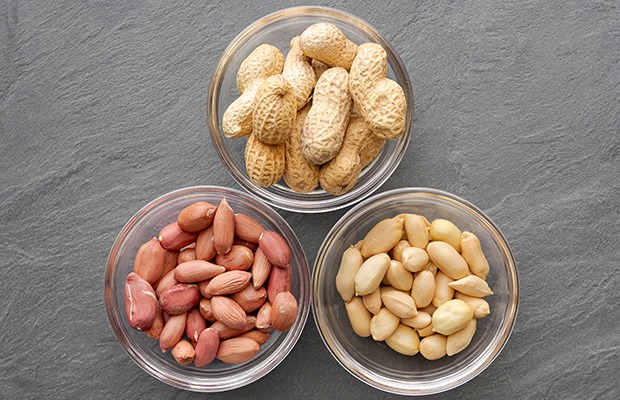
A small bowl of peanuts sat on the kitchen table every afternoon in Maria’s home. For years, it was simply a family habit. Her grandfather would enjoy a handful while reading the newspaper, often saying that simple foods sometimes offer the greatest value. At the time, nobody thought much about it. Peanuts were affordable, easy to store, and commonly found in many households.
As the family grew older, however, they began paying closer attention to nutrition and healthy aging. Conversations about heart wellness, memory support, energy levels, and balanced eating became more frequent. Surprisingly, many nutrition experts pointed to ordinary foods like peanuts as valuable additions to a healthy lifestyle.
Today, peanuts are gaining renewed attention among researchers and health-conscious adults, especially for people over the age of 60. While they are not a miracle food or a replacement for medical care, peanuts contain a combination of nutrients that may support heart health, brain function, muscle maintenance, and steady energy levels when consumed in moderation.
This article explores the nutritional value of peanuts, the cultural significance of nuts throughout history, scientific perspectives on healthy aging, and practical ways older adults can include peanuts in a balanced diet.

Understanding Nutritional Needs After 60
As people age, the body naturally changes in ways that affect nutritional requirements. Muscle mass gradually decreases, metabolism slows, and maintaining energy levels may become more challenging.
At the same time, older adults often become more focused on supporting heart health, bone strength, cognitive wellness, and stable blood sugar levels. Nutrition plays an important role in these goals.
Healthcare professionals frequently emphasize that healthy aging does not depend on expensive products alone. Consistent daily habits, including balanced meals and nutrient-rich foods, often make the greatest long-term difference.
Peanuts have attracted attention because they provide protein, healthy fats, vitamins, minerals, and fiber in a relatively simple and affordable form.
Although peanuts should be eaten in moderation, researchers suggest they may contribute positively to overall wellness when included as part of a balanced diet.

The Nutritional Profile of Peanuts
Peanuts are rich in nutrients that support multiple functions in the body.
They contain plant-based protein, which helps maintain muscle tissue and supports physical strength. This becomes increasingly important with age because natural muscle loss can occur gradually over time.
Peanuts also provide healthy fats, especially monounsaturated and polyunsaturated fats. These fats are commonly associated with heart-friendly eating patterns when they replace excessive saturated fats in the diet.
In addition, peanuts contain important vitamins and minerals such as vitamin E, niacin, magnesium, phosphorus, and folate.
Vitamin E acts as an antioxidant that helps protect cells from oxidative stress. Magnesium contributes to muscle function, blood pressure regulation, and bone health. Niacin supports nervous system function and energy metabolism.
Fiber is another important component. Fiber supports digestion and may help people feel satisfied longer after meals.
Together, these nutrients make peanuts a compact source of nutrition that fits well into many eating patterns.
Peanuts and Heart Health
Heart health becomes an increasing priority for many adults over 60. Researchers continue studying how dietary choices influence cardiovascular wellness over time.
Peanuts contain fats that are generally considered heart-friendly when eaten in moderate portions. Studies suggest that replacing highly processed snacks or foods high in saturated fats with nuts may support healthier cholesterol balance.
Magnesium found in peanuts may also contribute to normal blood pressure regulation and healthy circulation.
Several large nutrition studies have observed that moderate nut consumption is often associated with positive cardiovascular outcomes as part of balanced dietary patterns.
However, experts emphasize that no single food guarantees heart health on its own. Overall lifestyle factors such as physical activity, sleep, stress management, and total diet quality remain essential.
Peanuts are best viewed as one helpful component within a broader approach to wellness.
Brain Health and Cognitive Support
One of the most discussed topics related to aging is cognitive function and memory support.
Scientists continue researching how nutrition influences the brain throughout life. While no food can completely prevent age-related cognitive changes, certain nutrients may help support long-term brain health.
Peanuts contain vitamin E, an antioxidant linked to protecting cells from oxidative stress. Researchers believe oxidative stress may play a role in aging processes throughout the body, including the brain.
Niacin, also found in peanuts, contributes to nervous system function and energy production.
Some researchers suggest that balanced diets including nuts, vegetables, healthy fats, and whole foods may support cognitive wellness over time.
Cultural traditions have also long associated nuts with intelligence and vitality. In some societies, nuts symbolized nourishment, wisdom, and longevity because they provided dense nutrition and sustained energy.
Although scientific research continues evolving, many experts encourage dietary patterns that support overall brain wellness rather than focusing on single “miracle foods.”
Blood Sugar Stability and Energy Levels
Maintaining stable energy throughout the day becomes increasingly important with age.
Peanuts have a relatively low glycemic index, meaning they do not typically cause rapid spikes in blood sugar when eaten in moderate amounts.
Because peanuts contain protein, fiber, and healthy fats, digestion tends to occur more slowly. This slower digestion may help people feel full longer and maintain steadier energy between meals.
For older adults seeking practical snack options, peanuts may offer an alternative to highly processed foods containing excessive sugars or refined carbohydrates.
Steady eating patterns can support daily comfort, focus, and overall well-being.
Nutrition experts often recommend pairing peanuts with fruits, yogurt, or whole grains for balanced snacks that combine multiple nutrients.

Muscle Maintenance and Healthy Aging
One natural aspect of aging is gradual muscle loss over time. This process can affect strength, balance, and mobility.
Protein intake becomes especially important for older adults because the body may require more support to maintain muscle tissue.
Peanuts provide plant-based protein that can complement other protein sources in the diet.
In addition, magnesium and phosphorus contribute to bone and muscle function.
Combined with regular physical activity such as walking, stretching, or light resistance exercises, balanced protein intake may help support mobility and independence later in life.
Researchers increasingly emphasize that healthy aging involves maintaining function and quality of life rather than simply focusing on appearance or weight.
Simple dietary habits practiced consistently often have the greatest long-term impact.
The Cultural History of Peanuts
Peanuts have a fascinating cultural history that stretches across continents and centuries.
Although many people associate peanuts with modern snacks or peanut butter, the crop has been cultivated for thousands of years. Historical evidence suggests peanuts originated in South America before spreading globally through trade and exploration.
Different cultures incorporated peanuts into soups, sauces, desserts, and traditional dishes.
In some regions, peanuts became symbols of practicality and nourishment because they were affordable, filling, and easy to grow.
During difficult economic periods, peanuts often provided accessible nutrition for families seeking inexpensive protein sources.
Today, peanuts remain widely appreciated across many cuisines, from Asian cooking to African stews and Western snacks.
Their lasting popularity reflects not only convenience but also their versatility and nutritional value.
Myths and Misunderstandings About Peanuts
Like many foods discussed online, peanuts are sometimes surrounded by exaggerated claims or misconceptions.
Some people describe peanuts as a “perfect” health food, while others avoid them entirely due to concerns about fat content.
Nutrition experts generally encourage balance and moderation instead of extreme viewpoints.
Although peanuts contain fats, many of those fats are considered beneficial when consumed appropriately within a healthy diet.
At the same time, portion control remains important because peanuts are calorie-dense.
Experts also recommend choosing unsalted and minimally processed varieties whenever possible. Highly salted or fried peanut products may contain excessive sodium or unhealthy additives.
Natural peanut butter without added sugars or oils is often considered a better option than heavily processed spreads.
Importantly, individuals with peanut allergies should completely avoid peanuts and consult healthcare professionals regarding dietary choices.
Practical Ways Older Adults Can Enjoy Peanuts
Peanuts can be included in daily routines in many simple ways.
A small handful of unsalted peanuts may work as a convenient afternoon snack.
Natural peanut butter can be spread on whole-grain toast or paired with fruit slices.
Peanuts may also add texture and flavor to salads, oatmeal, stir-fries, or yogurt bowls.
Moderation remains essential. Nutrition professionals often suggest limiting portions to a small handful daily as part of a balanced eating pattern.
Hydration, exercise, sleep, and variety in food choices are equally important components of healthy aging.
Rather than focusing on strict dietary trends, many experts encourage sustainable habits that people can comfortably maintain long term.
The Science of Aging and Human Curiosity
Throughout history, humans have searched for foods associated with vitality, longevity, and wellness. Ancient cultures often connected certain ingredients to strength, wisdom, or endurance long before modern nutritional science existed.
Today, researchers continue studying how everyday foods influence aging and overall health.
Peanuts may not be a miracle solution, but their nutritional profile demonstrates how simple foods can contribute meaningfully to balanced lifestyles.
Perhaps the most fascinating aspect of nutrition science is how often ordinary foods reveal unexpected value over time. While trends come and go, many traditional eating habits continue proving remarkably practical.
In the end, healthy aging is rarely about a single ingredient. It is shaped by countless daily choices, relationships, routines, and habits accumulated over years.
Human curiosity about wellness and longevity continues driving scientific discovery, but it also reminds us that simple, consistent habits often remain among the most powerful tools for supporting a healthy and active life.
Sources
• Harvard T.H. Chan School of Public Health
• Mayo Clinic
• National Institute on Aging
• American Heart Association
• Cleveland Clinic
• Prime Daily S