


One afternoon, a daughter noticed something unusual during a visit with her father. He had always remembered birthdays, favorite meals, and family traditions with remarkable accuracy. But this time, he repeated the same question several times within an hour. Later, he misplaced his keys in the refrigerator and laughed it off as forgetfulness.
At first, the family assumed it was a normal part of aging. After all, everyone occasionally forgets names, appointments, or where they placed everyday items. Yet over time, these small moments became more frequent. Conversations grew harder to follow, routines became confusing, and familiar activities seemed less enjoyable.
Stories like this are increasingly common around the world. Dementia remains one of the most discussed health concerns associated with aging, but it is also widely misunderstood. While memory changes can happen naturally over time, persistent cognitive difficulties may signal something more significant.
Modern science continues exploring the causes of dementia, while cultures throughout history have developed their own interpretations of memory, aging, and the human mind. Today, experts emphasize that recognizing early signs and supporting brain health can make an important difference in quality of life.
This article explores dementia from both scientific and cultural perspectives, examining early warning signs, lifestyle habits linked to brain wellness, historical beliefs about memory loss, and the growing importance of awareness and compassion.

What Is Dementia?
Dementia is not a single disease but a general term used to describe symptoms affecting memory, reasoning, communication, and daily functioning. These changes typically develop gradually over time.
There are several forms of dementia, including Alzheimer’s disease, vascular dementia, and other cognitive disorders. Symptoms and progression can vary widely between individuals.
Scientists explain that dementia involves changes within the brain that affect how nerve cells communicate. In some cases, proteins may accumulate abnormally, while reduced blood flow or other neurological factors may contribute to cognitive decline.
Importantly, experts stress that dementia is not considered a normal or inevitable part of aging. Many older adults maintain strong memory and cognitive abilities throughout their lives.
Understanding the difference between ordinary forgetfulness and more persistent cognitive changes is one of the most important aspects of early awareness.
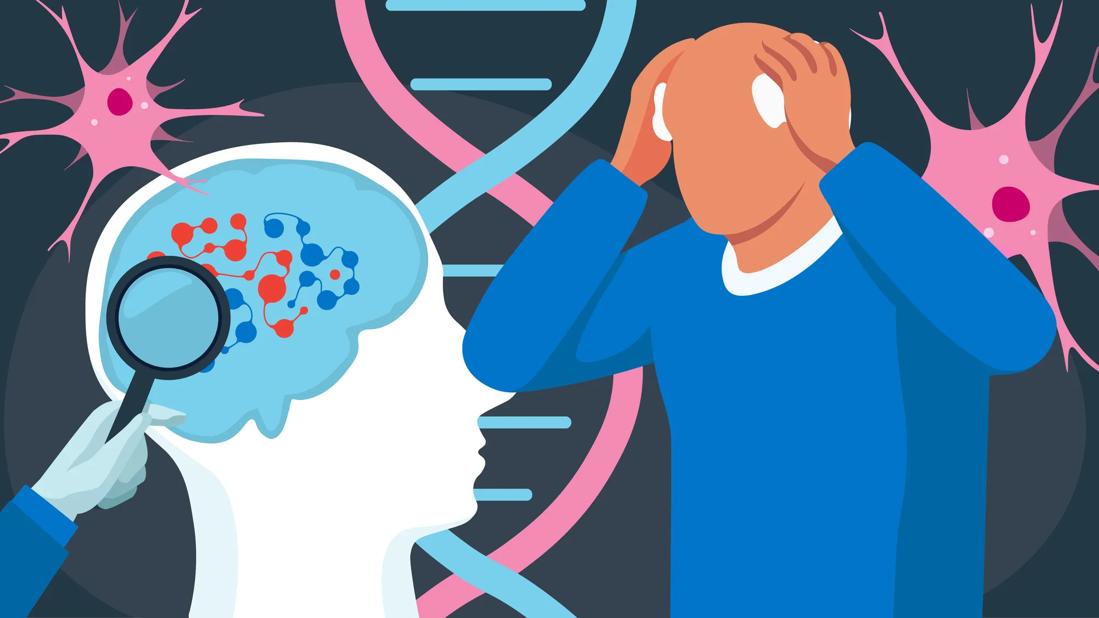
Early Signs of Dementia That Should Not Be Ignored
The earliest signs of dementia are often subtle. Family members may initially dismiss them as stress, distraction, or natural aging.
However, healthcare professionals encourage people to pay attention to recurring patterns that interfere with everyday activities.
One common sign is frequent memory loss involving recently learned information. Someone may repeatedly ask the same questions or rely heavily on reminders for tasks they previously managed independently.
Difficulty following conversations or instructions may also appear early. People may lose track of discussions or struggle to find familiar words.
Confusion about dates, appointments, or locations can sometimes develop gradually. An individual may forget where they are going or become disoriented in familiar environments.
Changes in judgment may also occur. Financial decisions, organization, or problem-solving abilities may become more difficult than before.
Mood and personality changes can sometimes accompany cognitive decline. A person who once enjoyed social activities may begin withdrawing from hobbies, conversations, or gatherings.
Experts emphasize that experiencing one occasional memory lapse does not automatically indicate dementia. Persistent and worsening patterns are generally more significant than isolated moments of forgetfulness.

Why Early Evaluation Matters
Many people hesitate to seek medical evaluation because they fear uncertainty or assume nothing can be done. However, specialists consistently encourage early assessment when cognitive changes become noticeable.
An evaluation can help identify whether symptoms are related to dementia or another treatable condition. Stress, sleep disorders, vitamin deficiencies, medication side effects, or depression may sometimes affect memory and concentration.
When dementia-related conditions are identified early, families often have more opportunities to plan supportive care, daily routines, and long-term decisions calmly and thoughtfully.
Early intervention may also help individuals maintain independence and quality of life for longer periods. Therapies, cognitive exercises, and healthy lifestyle adjustments can sometimes support daily functioning.
Equally important, open conversations reduce confusion and isolation. Families who discuss concerns early often feel better prepared emotionally and practically.

The Science Behind Memory and Brain Function
The human brain is one of the most complex structures in nature. Billions of nerve cells communicate continuously to support memory, emotion, learning, and decision-making.
Scientists studying dementia focus on understanding how these communication systems become disrupted over time.
Research suggests that certain proteins may build up abnormally in the brain in some forms of dementia, interfering with healthy cell function. Other cases may involve reduced circulation, inflammation, or genetic influences.
However, brain health is influenced by many interconnected factors, including physical activity, sleep quality, nutrition, stress levels, and social engagement.
Neuroscientists continue exploring how lifestyle habits may support cognitive resilience throughout aging. Although no guaranteed prevention exists, evidence suggests that healthy routines may help maintain brain function and overall wellness.
This growing field of research reflects humanity’s long-standing fascination with memory and consciousness itself.

Dementia in History and Cultural Beliefs
Long before modern medicine, societies developed cultural interpretations for memory loss and personality changes in older adults.
In some ancient cultures, elders experiencing confusion were believed to possess spiritual insight or unique wisdom connected to age. Other traditions viewed memory decline as a mysterious transformation linked to life’s later stages.
Historical records from Greece, China, and the Middle East contain references to age-related forgetfulness, although scientific explanations did not yet exist.
In folklore and mythology, memory often symbolized identity, ancestry, and human connection. Losing memory could therefore feel emotionally significant for entire communities, not only individuals.
Today, cultural attitudes toward dementia still vary globally. Some societies emphasize collective caregiving within families, while others rely more heavily on healthcare institutions and support services.
Understanding these cultural perspectives helps promote empathy and reduce stigma surrounding cognitive conditions.
Lifestyle Habits That May Support Brain Health
Although no lifestyle choice can completely guarantee protection from dementia, researchers increasingly emphasize the importance of healthy daily habits for long-term cognitive wellness.
Physical movement is one of the most frequently recommended activities. Walking, stretching, swimming, and other forms of exercise may support circulation and overall brain function.
Sleep also plays a critical role in memory processing. During rest, the brain organizes information and removes certain waste products associated with neurological activity.
Mental stimulation may also support cognitive flexibility. Reading, learning new skills, solving puzzles, and engaging in creative activities can help keep the brain active.
Social interaction remains equally important. Meaningful conversations and emotional connection may support psychological well-being and reduce feelings of isolation.
Nutrition researchers continue studying how balanced diets rich in fruits, vegetables, healthy fats, and whole grains may contribute to overall brain wellness.
Stress management is another important factor. Chronic stress may affect concentration, mood, and sleep quality over time.
Experts generally encourage a balanced lifestyle focused on long-term wellness rather than quick solutions or dramatic claims.
Technology and the Future of Dementia Research
Advances in technology are transforming dementia research and care in remarkable ways.
Brain imaging tools now allow scientists to study neurological changes with increasing detail. Artificial intelligence systems may eventually help identify subtle patterns linked to cognitive decline earlier than before.
Researchers are also exploring digital therapies, wearable monitoring devices, and memory-support applications designed to assist daily routines.
At the same time, ethical discussions continue regarding privacy, caregiving, and access to medical technologies.
Despite scientific progress, experts emphasize that human connection remains central to dementia care. Technology may assist support systems, but compassion, patience, and communication remain equally valuable.
The Emotional Side of Memory Changes
Dementia affects more than memory alone. It can influence identity, confidence, relationships, and emotional well-being.
For families, noticing cognitive changes in loved ones can feel overwhelming. Everyday routines may gradually require adaptation and increased patience.
Support groups and counseling services often help families navigate these experiences together. Open communication can reduce misunderstanding and encourage empathy.
Importantly, specialists encourage focusing not only on limitations but also on remaining strengths, interests, and emotional connections.
People experiencing dementia-related symptoms often continue enjoying music, storytelling, art, familiar routines, and meaningful social interaction.
Small moments of recognition and connection can remain deeply valuable throughout the journey.
Myths and Misunderstandings About Dementia
Many myths surrounding dementia continue circulating online and within communities.
One common misconception is that all forgetfulness automatically means dementia. In reality, occasional memory lapses are common across all age groups.
Another misunderstanding is that nothing can be done after symptoms appear. While no universal cure currently exists, supportive care, healthy routines, and medical guidance can still improve quality of life significantly.
Some people also mistakenly believe dementia only affects very elderly individuals. Although age is a major risk factor, cognitive conditions can occasionally develop earlier in life.
Public education remains essential for replacing fear and misinformation with understanding and practical awareness.
The Importance of Compassion and Awareness
As populations age globally, conversations about brain health are becoming increasingly important.
Awareness helps families recognize possible warning signs earlier while reducing stigma surrounding cognitive changes. Compassionate support encourages people to seek guidance without shame or fear.
Healthcare professionals emphasize that every person’s experience with dementia is unique. Some individuals progress slowly over many years, while others experience different patterns of change.
The growing focus on brain health also reflects a broader cultural shift toward preventive wellness and lifelong learning.
Ultimately, discussions about dementia are not only about medicine. They are also about memory, identity, relationships, and the ways humans care for one another across generations.
What Dementia Teaches Us About Human Curiosity
For centuries, humanity has tried to understand the mysteries of memory and consciousness. Ancient myths once explained cognitive changes through spiritual ideas and folklore, while modern neuroscience explores the intricate networks inside the human brain.
Yet even with scientific advances, memory remains one of the most fascinating aspects of human life. It shapes identity, relationships, traditions, and personal history.
The study of dementia reflects humanity’s enduring desire to understand the mind while preserving dignity and compassion for those experiencing change.
Perhaps most importantly, it reminds us that curiosity and empathy often go hand in hand. By learning more about brain health, people not only gain knowledge but also deepen their appreciation for the fragile and remarkable nature of human memory.
Sources
• Alzheimer’s Association
• World Health Organization (WHO)
• National Institute on Aging
• Mayo Clinic
• Harvard Medical School
• Teknoloji Bura