
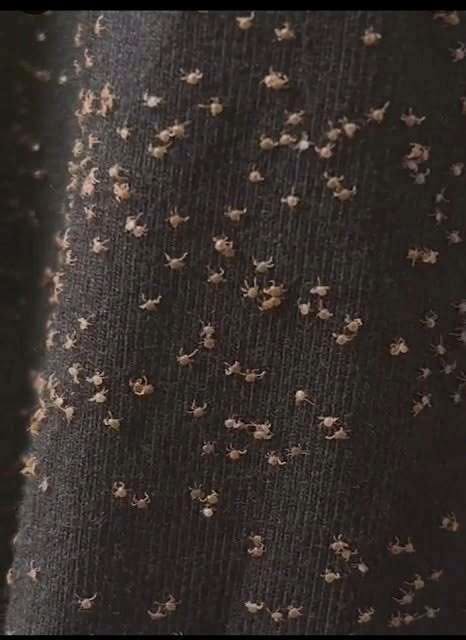
A peaceful walk outdoors often offers fresh air, beautiful scenery, and a chance to unwind. Sometimes, however, nature leaves behind a small reminder of the journey.
Many people have returned from a hike or stroll only to discover tiny, prickly objects clinging to their socks, pant legs, or shoelaces. At first glance, they may look like bits of dirt or dried plant material. A closer look reveals that these are burrs—specialized seed pods designed to hitch a ride on passing animals and people.
While they can be mildly inconvenient to remove, burrs are actually remarkable examples of nature’s ingenuity. Their unique design has helped plants spread across landscapes for thousands of years, demonstrating one of the many fascinating ways life adapts and thrives.
What Are Burrs?
Burrs are seed-bearing structures produced by certain plant species.
Unlike seeds that rely on the wind or water to travel, burrs use a different strategy. Their outer surfaces are covered with tiny hooks or stiff bristles that easily attach to fur, feathers, clothing, or even shoelaces.
Once carried to a new location, the burr eventually falls away, giving the seed an opportunity to grow far from the parent plant.
This natural process is known as seed dispersal, an essential part of many plants’ life cycles.

Why Do Burrs Stick So Easily?
The secret lies in their structure.
Under close examination, many burrs are covered with tiny curved hooks that grip onto soft fibers.
These hooks are just strong enough to remain attached during movement but eventually release when brushed off or after traveling some distance.
From the plant’s perspective, this is an efficient way to increase the chances that its seeds will reach new habitats where they can germinate and grow.
Nature’s Clever Transportation System
Plants cannot walk or move from place to place, so they have evolved a variety of creative methods to spread their seeds.
Burrs represent just one of several successful strategies.
Other plants depend on:
Wind
Lightweight seeds, such as those from dandelions or maple trees, are carried by air currents.
Water
Some seeds float along rivers, streams, or ocean currents before reaching new locations.
Animals
Many fruits attract birds and mammals that later disperse seeds naturally.
Gravity
Certain plants simply allow ripe seeds to fall to the ground beneath them.
Burr-producing plants have taken a different approach by turning passing animals—and occasionally humans—into accidental seed carriers.
Humans Become Part of Nature
One fascinating aspect of burrs is that people often participate in seed dispersal without realizing it.
A walk through a grassy field or woodland can result in several burrs attaching to clothing.
Hours later, they may be removed miles away from where they first attached.
Although people rarely notice the process happening, this accidental transportation reflects the close relationship between humans and the natural environment.
Even everyday activities can become part of ecological systems that have existed for countless generations.
Plants Commonly Known for Burrs
Many familiar plants produce burr-like seeds.
Examples include:
-
Burdock
-
Cocklebur
-
Beggar’s ticks
-
Sandbur grasses
-
Agrimony
Each species has developed slightly different hook shapes suited to its preferred method of attachment.
These variations demonstrate the diversity of evolutionary solutions found throughout nature.
A Scientific Example of Adaptation
Biologists describe burrs as an excellent example of adaptation.
Over many generations, plants with seeds that traveled farther often had greater opportunities to reproduce successfully.
Natural selection gradually favored structures that improved seed dispersal.
The result is a remarkable design that appears simple but performs its role very effectively.
Studying adaptations like burrs helps scientists better understand how organisms interact with their environments and evolve over time.
Burrs and an Everyday Innovation
The influence of burrs extends beyond nature.
In the 1940s, Swiss engineer George de Mestral became curious after noticing burrs attached to his clothing and his dog’s fur following a walk.
Examining them under a microscope, he observed the tiny hook-like structures and used that idea to develop Velcro, the widely used hook-and-loop fastening system.
Today, Velcro is found in clothing, footwear, medical equipment, sports gear, and even aerospace applications.
This is one of the best-known examples of biomimicry, where human innovation is inspired by natural designs.
Appreciating Small Discoveries
Experiences like finding burrs on clothing remind us that nature is constantly active, even during routine activities.
A simple walk through a park, meadow, or forest may reveal examples of plant reproduction, insect behavior, bird activity, and seasonal changes that often go unnoticed.
Observing these details encourages curiosity and a deeper appreciation for the natural world.
Many scientific discoveries have begun with similarly ordinary observations followed by thoughtful questions.
Enjoying Nature Responsibly
When spending time outdoors, a few simple habits can make the experience more comfortable.
These include:
-
Wearing appropriate clothing for the environment.
-
Checking shoes and clothing after walking through tall grass.
-
Removing burrs carefully to avoid damaging fabrics.
-
Cleaning pets after outdoor adventures if burr-producing plants are common in the area.
-
Staying on designated trails whenever possible to help protect natural habitats.
These small steps allow people to enjoy nature while respecting local ecosystems.
Why Seed Dispersal Matters
Seed dispersal plays an important role in maintaining healthy ecosystems.
By spreading to new locations, plants can:
-
Reduce competition for sunlight and nutrients.
-
Colonize suitable habitats.
-
Increase genetic diversity.
-
Support wildlife by creating new vegetation.
-
Help ecosystems recover after natural disturbances.
Without effective seed dispersal, many plant species would struggle to survive over the long term.
Conclusion
Finding tiny burrs attached to your clothing may seem like a minor inconvenience at first, but it is actually evidence of one of nature’s most ingenious survival strategies. These small seed pods demonstrate how plants have evolved creative ways to travel, reproduce, and adapt without ever moving on their own.
The story also reminds us that remarkable discoveries often begin with ordinary moments. A simple walk outdoors can reveal complex ecological relationships, inspiring greater appreciation for the living world around us.
Human curiosity has always transformed everyday observations into scientific understanding. Whether it is a tiny burr clinging to a pant leg or a new invention inspired by nature, paying attention to small details helps us better understand the remarkable systems quietly operating all around us.

Sources
-
Royal Botanic Gardens, Kew. Seed Dispersal and Plant Reproduction.
-
National Geographic. How Plants Spread Their Seeds.
-
Encyclopaedia Britannica. Seed Dispersal.
-
Smithsonian Magazine. The Natural Inspiration Behind Velcro.
-
Prime Dailys. These Tiny Things Covered My Pant Leg After a Walk.