
Home is more than a roof overhead. It is a place where people find safety, privacy, and the opportunity to build daily routines. Yet for many individuals and families around the world, stable housing has become increasingly difficult to secure as living costs continue to rise and affordable options become more limited.
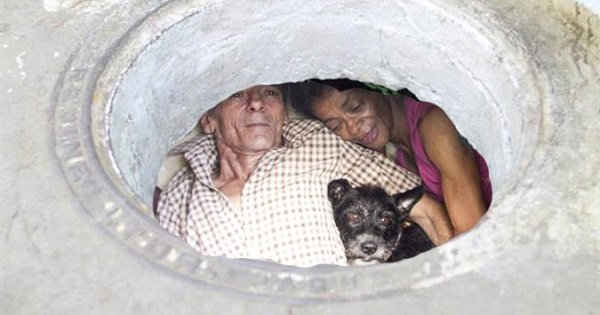
A recently shared story about a couple and their dog living inside a concrete drainage structure has sparked conversations about housing insecurity and the realities some people face when traditional housing is out of reach. While every person’s circumstances are unique and the details of individual cases may not always be fully known, the story highlights a broader social issue affecting communities in many countries.
Rather than focusing on one family’s experience alone, it offers an opportunity to explore why housing insecurity occurs, the challenges it creates, and the community efforts that can help people move toward stable housing.
A Story That Reflects a Larger Issue
Reports describe a couple who adapted a concrete drainage structure into a temporary shelter, arranging a small number of personal belongings to create a place for daily living.
Their dog reportedly remained by their side, providing companionship and a sense of routine during an uncertain period.
Although the shelter was never intended for residential use, the story illustrates how people experiencing housing insecurity often adapt available spaces in an effort to meet basic needs.
It also reminds us that behind every housing challenge is a personal story shaped by individual circumstances.

What Is Housing Insecurity?
Housing insecurity refers to situations in which people lack consistent access to safe, stable, and affordable housing.
It can take many forms, including:
- Frequent moves between temporary locations
- Living in overcrowded housing
- Staying with friends or relatives temporarily
- Living in vehicles or improvised shelters
- Difficulty paying rent or housing costs
- Risk of losing housing due to financial hardship
Housing insecurity exists on a spectrum and affects people from many different backgrounds.
Why Housing Can Become Difficult to Access
There is rarely a single reason why someone experiences housing instability.
Researchers identify several contributing factors that may overlap.
Rising Housing Costs
In many regions, housing expenses have increased faster than household incomes, making it more difficult for some families to afford rent or homeownership.
Employment Changes
Unexpected job loss, reduced work hours, or unstable employment may affect a household’s ability to maintain housing.
Economic Challenges
Higher costs for food, transportation, healthcare, and utilities can place additional pressure on family budgets.
Limited Affordable Housing
Some communities simply do not have enough affordable homes to meet demand.
Each person’s experience is different, and housing insecurity often results from a combination of circumstances rather than one single event.
The Importance of Stable Housing
Safe housing supports many aspects of everyday life.
Stable housing contributes to:
- Physical safety
- Better health outcomes
- Educational opportunities
- Employment stability
- Family well-being
- Stronger community connections
Having a reliable place to live creates a foundation that helps people pursue work, education, and personal goals.

The Value of Daily Routine
Even in challenging circumstances, maintaining routines can provide a sense of stability.
Simple daily habits such as preparing meals, organizing personal belongings, caring for pets, or following consistent schedules may help people preserve a feeling of normalcy.
Routine can support emotional well-being during periods of uncertainty.
The story of the couple arranging their temporary shelter reflects this human desire to create order even in difficult situations.
The Role of Companion Animals
Many people experiencing housing insecurity continue caring for pets despite limited resources.
Companion animals often provide:
- Emotional support
- Daily routine
- Comfort during stressful periods
- Motivation to keep moving forward
- A sense of responsibility
Animal welfare organizations increasingly recognize the importance of keeping people and their pets together whenever possible during housing transitions.
Community Support Makes a Difference
Communities often play an important role in helping people facing housing challenges.
Support may include:
- Emergency shelters
- Affordable housing programs
- Food assistance
- Employment services
- Healthcare access
- Financial counseling
Local nonprofit organizations, volunteers, and public agencies frequently work together to connect individuals with available resources.
These services can provide valuable assistance while people work toward greater stability.
Long-Term Solutions
Experts generally agree that addressing housing insecurity requires more than temporary shelter.
Long-term approaches may include:
Expanding Affordable Housing
Increasing the availability of affordable homes helps reduce housing shortages.
Employment and Workforce Programs
Job training and career development can strengthen long-term financial stability.
Supportive Services
Access to healthcare, counseling, and social services may help individuals overcome barriers to stable housing.
Community Partnerships
Collaboration among governments, nonprofit organizations, businesses, and community members often leads to more comprehensive solutions.
No single strategy solves every situation, but coordinated efforts can improve opportunities for many families.
Building Understanding Instead of Assumptions
Stories involving housing insecurity sometimes lead to quick assumptions about the people involved.
In reality, every person’s journey is different.
Some individuals experience temporary financial setbacks.
Others face medical challenges, natural disasters, family changes, or unexpected life events.
Approaching these stories with empathy rather than judgment helps create more supportive communities.
Understanding begins with recognizing the complexity behind each situation.

Small Acts of Kindness Matter
Many community organizations note that small actions can make meaningful differences.
Examples include:
- Supporting local shelters
- Donating clothing or household items
- Volunteering with community organizations
- Learning about local housing resources
- Treating everyone with dignity and respect
While individual actions alone cannot solve housing shortages, they contribute to stronger and more compassionate communities.
Looking Ahead
Communities around the world continue exploring ways to improve housing accessibility and strengthen support systems.
Progress often depends on cooperation among policymakers, housing providers, nonprofit organizations, and residents.
As awareness grows, so do opportunities to develop practical solutions that support long-term housing stability for more families.
Every conversation about housing contributes to greater understanding of the challenges many people face.
Conclusion
The story of a couple adapting an unconventional space into temporary shelter reminds us that housing is about much more than buildings. It represents security, dignity, belonging, and the ability to plan for the future.
Although every situation is unique, housing insecurity remains an important issue affecting communities across the globe. Through thoughtful public policy, accessible support services, affordable housing initiatives, and compassionate community engagement, meaningful progress is possible.
Human curiosity often leads us to wonder how people adapt during difficult times. Stories like this encourage us to look beyond appearances and recognize the resilience, determination, and hope that can exist even in the most challenging circumstances.
Sources
United Nations Human Settlements Programme (UN-Habitat). Housing and Urban Development. https://unhabitat.org/
U.S. Department of Housing and Urban Development (HUD). Housing Resources. https://www.hud.gov/
National Alliance to End Homelessness. Research and Housing Solutions. https://endhomelessness.org/
Habitat for Humanity. Affordable Housing Resources. https://www.habitat.org/
World Health Organization (WHO). Housing and Health. https://www.who.int/