

Imagine preparing a healthy homemade meal using fresh vegetables from the market or your own garden. Everything looks perfectly normal until you take the first bite and notice an unusually bitter taste. Is it simply an odd flavor, or could it be a sign that something isn’t right?
While most vegetables in the gourd family are nutritious and safe to eat, food safety experts have long recognized that, in rare circumstances, some can develop naturally occurring bitter compounds called cucurbitacins. These compounds are part of the plant’s natural defense system and can make certain gourds unsuitable for consumption.
Although reports of cucurbitacin poisoning are uncommon, health authorities recommend treating an unusually bitter taste as an important warning sign. Understanding why this happens can help families enjoy these vegetables safely while avoiding unnecessary risks.
What Are Cucurbitacins?
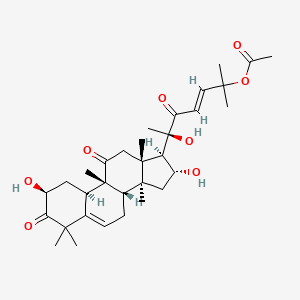
Cucurbitacins are naturally occurring compounds produced by plants in the Cucurbitaceae family.
This plant family includes many popular vegetables, such as:
- Bottle gourd
- Zucchini
- Squash
- Pumpkin
- Cucumber
- Some varieties of melon
- Bitter melon (which naturally contains bitter compounds as part of its normal characteristics)
In edible cultivated varieties, cucurbitacin levels are usually extremely low. However, under certain environmental or genetic conditions, some plants may produce higher-than-normal amounts.
Why Do Some Gourds Become Bitter?
Plants naturally produce protective chemicals to defend themselves against insects, animals, and environmental stress.
Researchers have identified several factors that may contribute to increased cucurbitacin production, including:
Environmental Stress
Extended periods of drought, unusually high temperatures, or other growing stresses may influence plant chemistry.
Cross-Pollination
In home gardens, edible squash or gourds grown near ornamental or wild varieties may occasionally produce fruit with unusually high cucurbitacin levels in a future generation if seeds are saved.
Genetic Variation
Although commercial seed producers work to minimize this risk, occasional genetic variation can still occur.
Fortunately, these situations remain relatively uncommon.
The Bitter Taste Is an Important Clue
Unlike many food safety concerns that cannot be detected by taste or smell, cucurbitacins have one distinctive characteristic.
They are extremely bitter.
Food safety agencies advise that if a zucchini, bottle gourd, squash, or similar vegetable tastes intensely bitter, it should not be eaten.
A slight variation in flavor can occur naturally between vegetables.
However, an unusually harsh or unpleasant bitterness is different from the normal taste of edible produce.
Your sense of taste may provide an important warning.
Can Cooking Remove Cucurbitacins?
One common misconception is that cooking can eliminate every naturally occurring toxin.
Scientific research shows that cucurbitacins are relatively heat stable.
This means:
- Boiling does not reliably remove them.
- Frying does not reliably remove them.
- Baking does not reliably remove them.
- Microwaving does not reliably remove them.
If a vegetable is unusually bitter before cooking, preparing it with heat should not be expected to make it safe.
Discarding the vegetable is generally considered the safest choice.

Possible Symptoms After Eating Highly Bitter Gourds
Health authorities have documented rare cases in which consuming vegetables with unusually high cucurbitacin levels has been associated with gastrointestinal illness.
Possible symptoms may include:
- Nausea
- Vomiting
- Stomach discomfort
- Diarrhea
Symptoms can vary depending on the amount consumed and the individual.
Anyone experiencing severe or persistent symptoms after eating food should seek prompt evaluation from a qualified healthcare professional or contact their local poison center for guidance.
Most commercially sold vegetables do not contain dangerous levels of cucurbitacins.
Which Vegetables Can Be Affected?
Several members of the Cucurbitaceae family have occasionally been associated with elevated cucurbitacin levels.
These include:
- Zucchini
- Bottle gourd
- Squash
- Pumpkin
- Cucumber
It is important to remember that millions of these vegetables are safely consumed every year.
The concern relates only to the rare fruits that develop unusually high concentrations of bitter compounds.
Tips for Choosing Safe Produce
Selecting fresh, healthy produce helps reduce many food safety risks.
Experts recommend:
Buy From Reliable Sources
Purchase vegetables from reputable grocery stores, farmers’ markets, or trusted growers.
Inspect Before Buying
Choose vegetables that appear fresh and free from significant damage.
Wash Produce Thoroughly
Cleaning fruits and vegetables removes dirt and surface contaminants, although washing does not remove cucurbitacins inside the plant.
Taste Carefully
If preparing homegrown squash or gourds, an unusually bitter taste should not be ignored.
Discard Unusually Bitter Vegetables
If one bite tastes intensely bitter, avoid eating more of the vegetable.
Guidance for Home Gardeners
Home gardening continues to grow in popularity.
Gardeners can help reduce the likelihood of bitter gourds by:
- Purchasing quality seeds.
- Avoiding saving seeds from unusually bitter fruits.
- Maintaining healthy growing conditions.
- Monitoring plants during periods of drought or extreme heat.
Proper gardening practices support healthy plant development and better-quality harvests.
The Nutritional Benefits of Gourds
When grown under normal conditions, gourds remain nutritious additions to a balanced diet.
Many varieties provide:
- Dietary fiber
- Vitamin C
- Potassium
- Water for hydration
- Antioxidants
- Low-calorie nutrition
These vegetables continue to be recommended as part of healthy eating patterns worldwide.
The rare occurrence of elevated cucurbitacins should not discourage people from enjoying them responsibly.
Food Safety Is About Awareness
Food safety involves many simple habits that help reduce preventable risks.
These include:
- Checking expiration dates.
- Refrigerating foods properly.
- Washing produce.
- Cooking foods to appropriate temperatures.
- Paying attention to unusual odors, textures, or flavors.
Listening to your senses is one part of making informed food choices.
When something tastes significantly different than expected, it is worth investigating rather than assuming it is normal.
Common Myths About Bitter Vegetables
Myth: Every Bitter Vegetable Is Dangerous
Not true.
Some vegetables, such as bitter melon, naturally have a bitter flavor and are traditionally eaten in many cuisines.
The concern involves vegetables that are not normally intensely bitter but suddenly develop an unusually harsh taste.
Myth: Cooking Always Makes Food Safe
Cooking destroys many microorganisms, but not every naturally occurring plant compound is affected by heat.
Cucurbitacins are one example where cooking is not considered a reliable solution.
Myth: Grocery Store Produce Is Never Bitter
Commercial production greatly reduces risk, but rare cases have still been documented.
Paying attention to taste remains important regardless of where produce is purchased.
Conclusion
Stories about naturally bitter gourds occasionally attract attention because they involve an everyday food that most people consider completely routine. Fortunately, genuinely hazardous levels of cucurbitacins are rare, and the vast majority of squash, zucchini, cucumbers, and gourds sold in stores and markets are perfectly safe to enjoy.
The key lesson is simple: if a vegetable that should taste mild instead has an unusually intense bitterness, it is best not to continue eating it. Combined with purchasing quality produce, following good food safety practices, and seeking medical advice if concerning symptoms occur, this small precaution helps families enjoy healthy meals with greater confidence.
Human curiosity encourages us to better understand the foods we eat. By combining traditional kitchen wisdom with modern scientific knowledge, we can appreciate nature’s remarkable diversity while making informed choices that support both nutrition and safety.
Sources
World Health Organization (WHO). Food Safety. https://www.who.int/
U.S. Food and Drug Administration (FDA). Food Safety for Consumers. https://www.fda.gov/
Centers for Disease Control and Prevention (CDC). Food Safety. https://www.cdc.gov/foodsafety/
National Capital Poison Center. Plant and Food Poisoning Information. https://www.poison.org/
Royal Horticultural Society (RHS). Growing Squash and Gourds. https://www.rhs.org.uk/