
Wildlife often surprises us by appearing in gardens, parks, and neighborhoods, giving people a chance to observe nature up close. These encounters can inspire curiosity, appreciation, and a greater understanding of the animals that quietly share our environment.
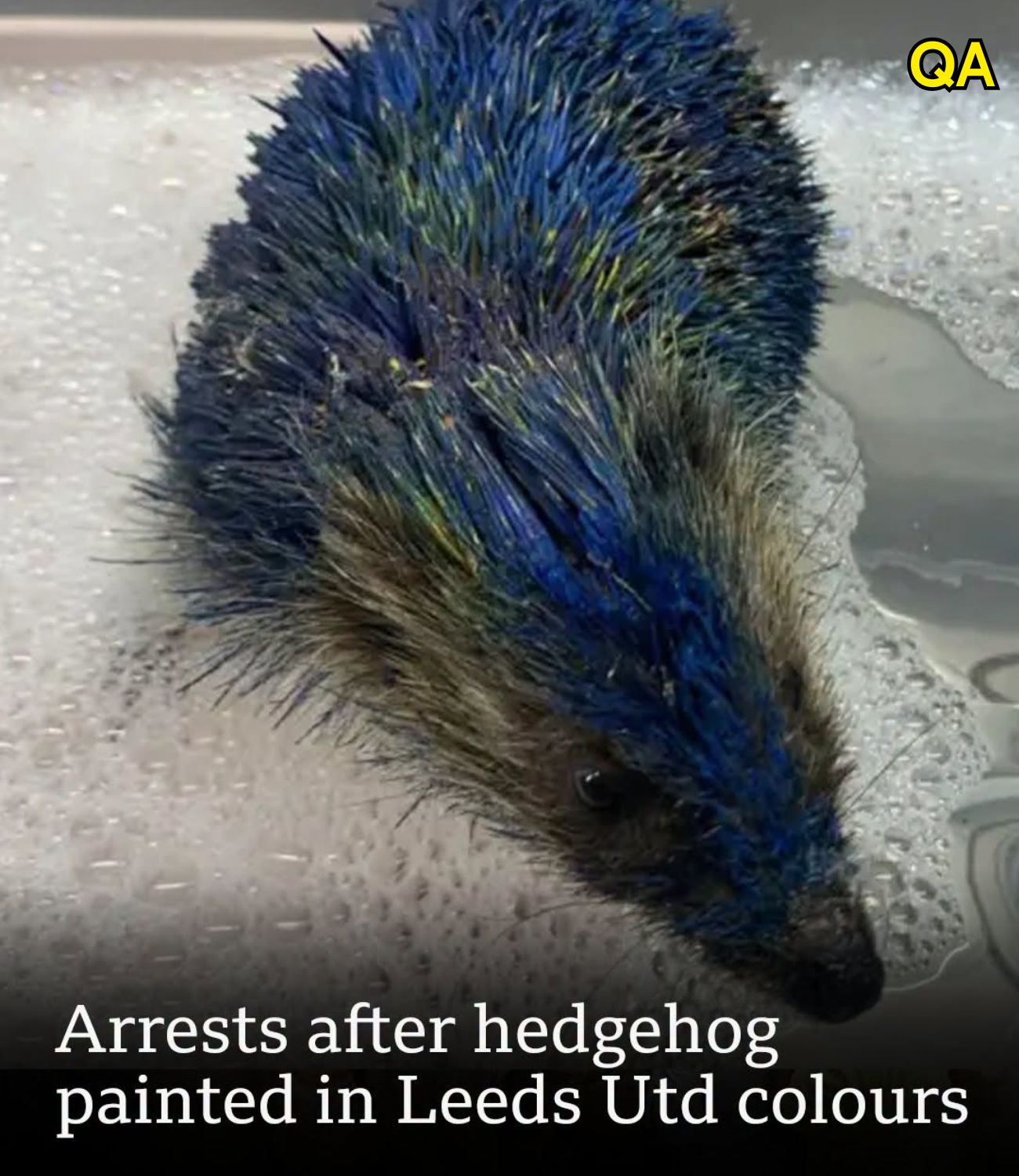
Recently, a hedgehog rescued in West Yorkshire, England, became the focus of public attention after being found covered in yellow and blue paint. The incident prompted an animal welfare investigation and sparked conversations about responsible interactions with wildlife and the importance of protecting vulnerable species.
While authorities continue their investigation, the story serves as an opportunity to learn more about hedgehogs, why their natural defenses are so important, and how communities can help protect local wildlife.
What Happened?
According to West Yorkshire Police and reports from the BBC, a hedgehog was discovered in a garden in Yeadon, West Yorkshire, with much of its spines covered in yellow and blue paint.
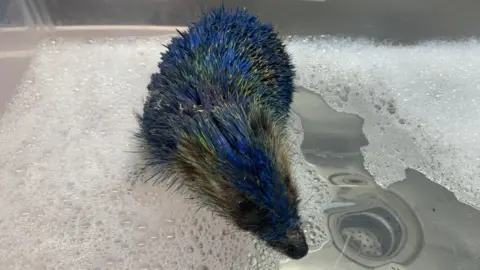
The animal was taken to a local wildlife rescue organization, where specialists carefully removed the paint and provided veterinary care.
Police later confirmed that four individuals had been arrested on suspicion of offenses related to causing unnecessary suffering to a protected animal. The investigation is ongoing, and no conclusions have yet been reached through the legal process.
How Wildlife Rescuers Responded
Removing paint from a wild animal requires specialized care.
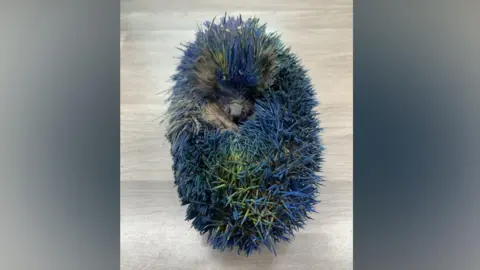
According to the rescue organization involved, the paint had coated the hedgehog’s spines, making it difficult for the animal to use some of its natural protective behaviors.
Rescuers carefully cleaned each spine individually while providing appropriate veterinary treatment.
Their work highlights the important role wildlife rehabilitation centers play in helping injured or distressed animals recover before returning to their natural habitats whenever possible.
Why Hedgehogs Need Their Spines
A hedgehog’s spines are one of its most recognizable features.
Unlike the quills of a porcupine, hedgehog spines are fixed hairs made primarily of keratin, the same protein found in human hair and fingernails.
These spines serve several important purposes.
Natural Defense
When threatened, hedgehogs instinctively curl into a tight ball, causing their spines to point outward and discourage potential predators.
Freedom of Movement
Healthy spines allow hedgehogs to move naturally while maintaining their defensive posture when necessary.
Protection During Daily Life
Spines help shield the animal as it explores forests, gardens, and grassy areas in search of food.
Any material that interferes with these natural functions can affect the animal’s ability to survive in the wild.
The Importance of Respecting Wildlife
Wild animals are adapted to survive in their natural environments without human interference.
Although people may occasionally encounter wildlife in gardens or public spaces, experts generally recommend observing animals from a respectful distance.
Wildlife organizations encourage people to avoid actions that may:
- Distress animals
- Alter their natural behavior
- Damage protective features
- Separate young animals from parents
- Interfere unnecessarily with healthy wildlife
Respectful observation benefits both people and animals.
What to Do If You Find an Injured Hedgehog
Wildlife experts recommend several simple steps if you believe a hedgehog requires assistance.
Observe First
Not every hedgehog seen during daylight needs rescue. Some may simply be moving between safe locations.
Avoid Unnecessary Handling
Only handle wildlife if there is an immediate need to protect it from danger.
Contact a Wildlife Rescue Organization
Qualified wildlife rehabilitators can assess the situation and provide appropriate care if necessary.
Keep the Animal Warm and Quiet
If instructed by a rescue organization, placing the animal in a ventilated box lined with a towel may help until professional assistance is available.
Professional guidance remains the safest approach whenever wildlife appears injured or distressed.
Why Hedgehogs Are Important to Ecosystems
Hedgehogs contribute to healthy ecosystems by feeding on various invertebrates, including insects and other small creatures.
Their natural foraging behavior helps maintain ecological balance in gardens, parks, and rural habitats.
In many parts of Europe, hedgehog populations have experienced long-term declines because of habitat loss, road traffic, and changing environmental conditions.
Conservation groups continue working to improve habitats and encourage wildlife-friendly gardening practices.
Creating Hedgehog-Friendly Gardens
Many homeowners can support local wildlife through simple actions.
Suggestions include:
- Leaving small openings in garden fences
- Providing natural shelter with leaves or logs
- Avoiding harmful chemicals when possible
- Offering shallow water during warm weather
- Checking carefully before using garden equipment in dense vegetation
Small habitat improvements can make gardens more welcoming for native wildlife.
The Role of Wildlife Rehabilitation Centers
Wildlife rescue organizations play an essential role in conservation.
Their responsibilities often include:
- Caring for injured animals
- Providing veterinary treatment
- Supporting rehabilitation
- Educating the public
- Returning healthy animals to suitable habitats whenever possible
These organizations often rely on volunteers and community support to continue their work.
Their efforts help countless animals each year.
Why Public Awareness Matters
Stories involving wildlife frequently encourage broader conversations about conservation.
They remind communities that every animal plays a role in maintaining healthy ecosystems.
Public education also helps people recognize when wildlife needs assistance—and when it is best simply to observe from a distance.
Greater awareness contributes to more respectful interactions between people and nature.
What We Can Learn
Although the investigation continues, the broader lessons are clear.
Wild animals deserve thoughtful care and respect.
If an animal appears injured or distressed, trained wildlife professionals are best equipped to provide assistance.
Communities can also contribute by supporting conservation efforts, protecting natural habitats, and learning more about the wildlife that lives nearby.
Every positive action, no matter how small, helps create safer environments for native species.
Conclusion
The rescue of the painted hedgehog in West Yorkshire has drawn attention not only because of the unusual circumstances but also because of the remarkable efforts of wildlife rehabilitators who worked patiently to care for the animal.
While authorities continue their investigation, the incident has encouraged important conversations about responsible behavior, wildlife conservation, and the value of treating every living creature with care.
Human curiosity often brings us closer to nature. When that curiosity is guided by respect, compassion, and a desire to protect the natural world, it becomes a powerful force for conservation and a reminder that even small acts of kindness can make a meaningful difference.

Sources
BBC News. Wildlife and UK News Coverage. https://www.bbc.co.uk/news/
The British Hedgehog Preservation Society. Hedgehog Care and Conservation. https://www.britishhedgehogs.org.uk/
Royal Society for the Prevention of Cruelty to Animals (RSPCA). Wildlife Advice. https://www.rspca.org.uk/
People’s Trust for Endangered Species (PTES). Hedgehog Conservation. https://ptes.org/
International Union for Conservation of Nature (IUCN). Species Conservation Resources. https://www.iucn.org/