
Almost every homeowner has experienced it. You walk into the kitchen early in the morning and notice a line of ants marching toward a forgotten crumb, or you spot a cockroach disappearing behind an appliance. While these unwelcome visitors are common, they can quickly become frustrating.
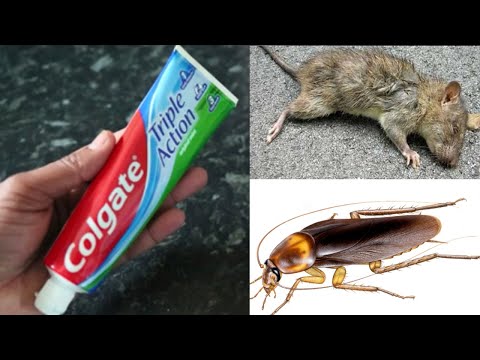
Many people prefer to avoid harsh chemical sprays, especially in homes with children or pets. As a result, natural home remedies often gain attention online. One of the most talked-about ideas is the “toothpaste trick”—a simple DIY method that uses everyday household ingredients to help discourage ants and cockroaches.
But does it actually work? While some homeowners report positive experiences, scientific evidence supporting this method is limited. Experts generally recommend viewing it as a temporary deterrent rather than a complete pest-control solution.
In this guide, we’ll explore how the toothpaste trick is believed to work, what science says about it, and the best practices for keeping your home naturally pest-free.
Why Cockroaches and Ants Enter Homes
Before trying any home remedy, it’s helpful to understand why these insects appear indoors in the first place.
Cockroaches are attracted to three basic necessities:
- Food
- Water
- Shelter
Even tiny food crumbs, pet food left overnight, grease behind the stove, or moisture under the sink can provide everything they need.
Ants, meanwhile, are excellent food hunters. Worker ants search for sugary foods, proteins, or fats. Once they discover a food source, they leave behind chemical scent trails called pheromones, allowing other ants to follow the same route.
Understanding these behaviors makes it easier to interrupt their routine.

The Toothpaste Trick Explained
The popular toothpaste method is based on one simple idea.
Many traditional toothpastes contain mint or menthol, ingredients with a strong aroma. Some people believe these scents may temporarily interfere with ants’ scent trails or create an environment that cockroaches prefer to avoid.
However, it’s important to note that there is little scientific research demonstrating that toothpaste alone is an effective pest-control product.
Instead, this method is best viewed as a household experiment that may help discourage insects in certain situations while being relatively inexpensive and easy to try.
Why Mint Gets Attention
Mint has long been associated with natural pest deterrence.
Essential oils derived from peppermint have been studied for their ability to repel certain insects under controlled conditions. Because many toothpastes contain mint flavoring or menthol, some homeowners assume similar effects may occur.
The concentration of these ingredients in toothpaste, however, is much lower than in essential oils, so any effect is likely to be temporary.
DIY Toothpaste Pest Deterrent
One commonly shared recipe combines toothpaste with several kitchen staples.
Ingredients
- 3 tablespoons sugar
- 4 tablespoons flour
- 3 tablespoons mint toothpaste
- 3 tablespoons water
Instructions
Mix the sugar, flour, and toothpaste in a bowl.
Slowly add water while stirring until the mixture becomes a thick dough.
Roll the mixture into small balls about the size of a walnut.
Place them in areas where insects frequently appear, including:
- Behind appliances
- Under sinks
- Along baseboards
- Near entry points
- Inside cabinets where appropriate
Although these ingredients are commonly found in kitchens, keep the mixture away from children and pets to prevent accidental ingestion.
Using Toothpaste as a Scent Barrier
Some homeowners skip the dough mixture and instead apply toothpaste directly.
A thin line of mint toothpaste can be placed along:
- Window frames
- Door thresholds
- Baseboards
- Small gaps where insects commonly enter
The idea is that the scent may temporarily disrupt ants’ navigation while creating an unfamiliar smell for cockroaches.
Since toothpaste dries over time, it should be cleaned and reapplied regularly if you choose to try this method.
What Does Science Say?
Scientific evidence supporting the toothpaste trick remains limited.
Researchers have extensively studied professional pest-management products, sanitation methods, exclusion techniques, and integrated pest management (IPM). These approaches consistently show better long-term effectiveness than household remedies alone.
Mint-based products may have mild repellent properties, but toothpaste itself has not been established as a reliable pest-control solution through large scientific studies.
This doesn’t necessarily mean the trick never helps—it simply means current evidence is insufficient to recommend it as a primary control method.
Why Prevention Works Better Than Any Home Remedy
Professional pest specialists consistently emphasize that prevention remains the most effective strategy.
Removing food, water, and shelter addresses the root causes that attract insects in the first place.
Simple habits can dramatically reduce pest activity.
Keep Food Properly Stored
Store cereals, rice, flour, sugar, snacks, and pet food in airtight containers.
Even small food particles can attract insects.
Clean Kitchen Surfaces Daily
Wipe countertops after cooking.
Vacuum crumbs around dining areas.
Clean underneath appliances periodically.
Eliminate Water Sources
Repair dripping faucets.
Dry wet sponges overnight.
Empty standing water from trays or containers.
Moisture is one of the biggest attractions for cockroaches.
Take Out Trash Frequently
Garbage bins containing food scraps provide ideal feeding opportunities.
Use containers with tight-fitting lids and empty them regularly.
Seal Entry Points
Inspect your home for:
- Cracks around windows
- Gaps beneath doors
- Openings around plumbing
- Small holes in walls
Sealing these areas reduces opportunities for insects to enter.
How Often Should the Toothpaste Method Be Used?
If you decide to try the toothpaste trick, consistency is important.
Many homeowners who use this approach reapply it two or three times each week.
Additional applications may be needed after:
- Heavy cleaning
- Rain affecting entry points
- High humidity
- Increased pest activity
Remember that this method is intended only as a supplementary household practice rather than a permanent solution.
Benefits of Natural Home Remedies
Many people appreciate natural approaches because they often use inexpensive household ingredients.
Potential advantages include:
- Budget-friendly
- Easy to prepare
- Readily available materials
- Reduced reliance on chemical sprays
- Suitable as part of a broader prevention plan
These qualities explain why DIY pest-control ideas continue to remain popular online.
Understanding the Limitations
Natural remedies have important limitations.
If insect activity continues despite regular cleaning and preventive measures, a larger issue may be present.
Signs that indicate a more significant infestation include:
- Frequent sightings over an extended period
- Persistent ant trails despite repeated cleaning
- Insects appearing in multiple rooms
- Recurring activity shortly after treatment
In these situations, consulting a licensed pest management professional can help identify the source and recommend appropriate solutions.
Myth vs. Science
Myth: Toothpaste eliminates cockroaches permanently.
Scientific Perspective
There is no reliable scientific evidence showing that toothpaste permanently removes cockroach populations.
Myth: Mint completely blocks ants from entering.
Scientific Perspective
Strong scents may temporarily interfere with ant trails, but they are unlikely to stop determined colonies if food remains available.
Myth: Home remedies work better than prevention.
Scientific Perspective
Sanitation, moisture control, and sealing entry points consistently provide the greatest long-term success.
Building a Long-Term Pest Prevention Plan
Rather than relying on a single trick, experts recommend combining several preventive practices.
A balanced plan includes:
Regular kitchen cleaning.
Proper food storage.
Moisture control.
Routine inspection of entry points.
Prompt disposal of garbage.
Monitoring for early signs of pest activity.
When combined, these steps create an environment that is much less attractive to unwanted insects.
Frequently Asked Questions
Can toothpaste alone remove ants?
Probably not. It may temporarily disrupt scent trails, but removing food sources and cleaning surfaces are generally more effective.
Is this method safe?
Because toothpaste is not designed as a pesticide, it should still be used responsibly and kept away from children and pets. Avoid placing homemade mixtures where they could be accidentally consumed.
Does peppermint repel insects?
Some research suggests peppermint oil may discourage certain insects under specific conditions. However, toothpaste contains much lower concentrations than essential oils.
Should I stop using professional pest control?
No. Home remedies can complement preventive practices, but persistent infestations are best addressed through evidence-based pest management.
Conclusion
The toothpaste trick has become a popular home remedy because it is simple, affordable, and easy to try using ingredients already found in many households. While some people report that it helps discourage ants or cockroaches for a short time, current scientific evidence does not support it as a reliable or permanent pest-control solution.
The most effective approach remains prevention. Keeping food sealed, cleaning regularly, eliminating moisture, and sealing entry points create an environment that is far less inviting to pests. Natural remedies like the toothpaste trick may serve as an additional measure, but they work best alongside good household maintenance rather than as a replacement for it.
Our fascination with simple household solutions reflects a broader curiosity about practical, everyday science. Exploring these ideas thoughtfully—while relying on trusted information and realistic expectations—helps us make informed choices for maintaining a cleaner, more comfortable home.
Sources
- U.S. Environmental Protection Agency (EPA). Integrated Pest Management (IPM) Principles. https://www.epa.gov/safepestcontrol
- U.S. Centers for Disease Control and Prevention (CDC). Healthy Housing Reference Manual. https://www.cdc.gov/healthyhomes
- National Pesticide Information Center (NPIC). Managing Household Pests. https://npic.orst.edu
- University of California Statewide Integrated Pest Management Program. Cockroach Management Guidelines. https://ipm.ucanr.edu
- Original inspiration: HealthInfoRUS, “How to Eliminate Cockroaches and Ants with the Toothpaste Trick.”