
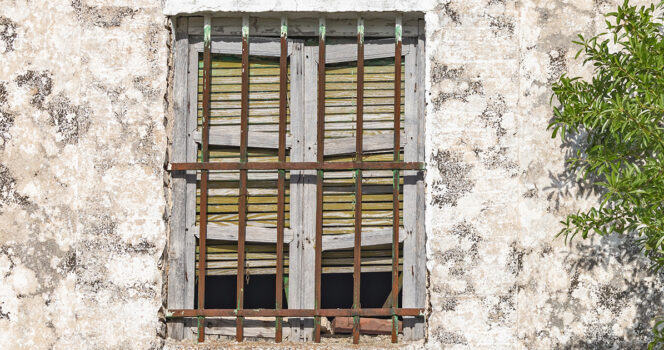
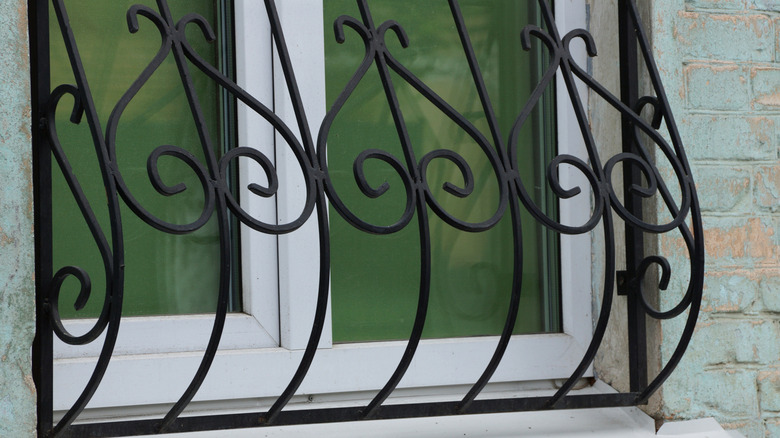
Have you ever walked through an older neighborhood and noticed that some window security grilles don’t lie completely flat? Instead, they curve outward slightly near the bottom, creating what looks like a small bulge.
At first glance, the design might appear decorative. Some people assume it’s simply an artistic touch added by blacksmiths or architects. Others wonder whether it has a historical meaning or hidden purpose.
In reality, these curved window grilles—often called potbelly window guards or bulged window bars—serve several practical functions. While they continue to provide security, the extra space created by the outward curve makes them surprisingly versatile.
Let’s explore the history, common uses, cultural significance, and engineering behind this distinctive architectural feature.
What Are Potbelly Window Grilles?
Potbelly window grilles are security bars installed over windows that include a gentle outward curve, usually positioned near the lower half of the frame.
Unlike traditional flat security bars, the curved section creates additional space between the window and the grille.
This seemingly simple modification dramatically expands the grille’s functionality without significantly reducing its protective purpose.
Today, potbelly window grilles can still be found on homes, apartment buildings, historic neighborhoods, and commercial properties in many parts of the world.
Why Were Window Grilles Originally Installed?
Window grilles have been used for centuries across many cultures.
Their primary purpose has always been security.
They help discourage unauthorized entry through accessible windows while allowing fresh air and natural light to enter the building.
Historically, window grilles became especially common in:
- Urban homes
- Ground-floor apartments
- Historic buildings
- Commercial storefronts
- Schools and public buildings
Materials such as wrought iron and steel became popular because of their durability and ability to withstand outdoor conditions.
The Practical Purpose of the Curved Bottom
The outward curve isn’t simply decorative.
It creates usable space between the window and the bars.
Over time, homeowners discovered several practical advantages.
Supporting Window Flower Boxes
One of the most popular uses is supporting flower boxes.
The curved section forms a stable platform where planters can rest securely without interfering with the window itself.
This allows homeowners to decorate their windows with colorful flowers, herbs, or small ornamental plants.
In many European towns and historic neighborhoods, flower-filled windows have become an iconic part of local architecture.
The potbelly design helps make this possible.
Making Room for Window Air Conditioners
Another practical application involves window-mounted air conditioning units.
Many older homes were built long before central air conditioning became common.
When homeowners later installed window AC units, traditional flat security bars often left too little room.
The curved design solves this problem by providing additional clearance while allowing the security grille to remain in place.
This added space also helps maintain airflow around the unit.
Improving Ventilation
The extra distance between the window and the grille can improve ventilation in certain situations.
Windows may be opened wider without objects immediately pressing against the bars.
For homes using window fans, portable ventilation equipment, or plant shelves, the added room can also be helpful.
A Blend of Function and Beauty
Architecture often balances practicality with appearance.
Potbelly window grilles demonstrate this perfectly.
While designed for everyday functionality, they also add visual character to a building.
Curved ironwork can soften the appearance of straight window frames, creating a more welcoming exterior.
Many homeowners appreciate that these grilles provide security without making a home feel overly industrial.
Cultural Significance Around the World
Window grilles appear in many architectural traditions.
Different regions have developed unique styles reflecting local craftsmanship.
Europe
Historic neighborhoods in countries such as France, Italy, and Spain frequently feature decorative wrought-iron window grilles.
Flower boxes overflowing with seasonal blooms have become part of the area’s architectural identity.
Latin America
Many homes combine decorative ironwork with practical security features.
Curved window guards often support colorful plants that brighten streets and courtyards.
North America
Potbelly window guards became common in older apartment buildings and urban homes, particularly where window air conditioners were widely used.
Although styles vary, their practical design remains recognizable.

Common Materials Used Today
Modern window grilles are manufactured using several durable materials.
Wrought Iron
Known for its classic appearance, wrought iron offers timeless style and exceptional strength.
It is especially popular in traditional and historic homes.
Steel
Steel provides excellent durability while requiring relatively little maintenance.
Many modern security grilles use powder-coated steel finishes for improved weather resistance.
Aluminum
Although generally lighter than steel, aluminum offers good corrosion resistance and may be suitable for certain climates.
Choosing the Right Window Grilles
If you’re considering installing window security bars, several factors deserve attention.
Think about:
- Security needs
- Local building codes
- Appearance
- Material durability
- Ease of maintenance
- Emergency escape requirements
Selecting the right design helps balance safety with everyday convenience.
Why Professional Installation Matters
Even the strongest window grille is only as effective as its installation.
Professional installers understand:
Proper mounting techniques
Suitable anchor systems
Load requirements
Local safety regulations
Emergency egress considerations
Correct installation helps ensure that the grille performs as intended while remaining safe for occupants.
Modern Home Security Goes Beyond Window Bars
Today’s home security typically combines multiple protective measures.
Many homeowners choose to pair window grilles with:
Solid exterior doors
Quality locks
Outdoor lighting
Security cameras
Alarm systems
Smart home monitoring
Using several complementary measures creates a more comprehensive security strategy.
Myths About Curved Window Grilles
Several interesting myths have developed around potbelly window bars.
Myth: The curve is purely decorative.
Practical Perspective
While decorative designs certainly exist, the outward curve primarily creates additional usable space for practical purposes.
Myth: They are designed only for flower boxes.
Practical Perspective
Flower boxes are one common application, but the extra space also accommodates window air conditioners, improved ventilation, and other practical needs.
Myth: All security bars include this feature.
Practical Perspective
Many window bars remain completely flat. Potbelly designs are simply one specialized variation chosen when additional space is beneficial.
Maintaining Window Grilles
Proper maintenance helps extend the lifespan of metal window guards.
Simple care includes:
Cleaning dirt and debris regularly.
Inspecting for signs of rust.
Touching up protective paint when necessary.
Checking mounting hardware periodically.
Lubricating hinges on models with emergency-release mechanisms.
Routine maintenance keeps both appearance and functionality in good condition.
Frequently Asked Questions
Do potbelly window bars reduce security?
When properly designed and installed, they continue to provide effective security while adding useful space. The curved section itself does not necessarily compromise their intended function.
Can they support heavy flower boxes?
They are commonly used to support window planters, but the amount of weight they can safely hold depends on the grille’s design, material, and installation. Always follow the manufacturer’s recommendations.
Are they suitable for modern homes?
Yes. Many manufacturers offer contemporary designs that complement both traditional and modern architecture.
Do building codes regulate window bars?
Requirements vary by location. Some jurisdictions require quick-release mechanisms on bedroom windows or other emergency escape routes. Check local building regulations before installation.
Why Small Architectural Details Fascinate Us
The potbelly window grille reminds us that many everyday design features have practical stories behind them. What first appears to be an ornamental flourish often reflects generations of problem-solving, craftsmanship, and adaptation to changing household needs.
Whether supporting vibrant flower boxes, creating space for a window air conditioner, or simply adding architectural character, this modest curve demonstrates how thoughtful design can combine beauty with functionality.
The next time you notice a window grille with a gentle outward bulge, you’ll know it’s more than an attractive detail—it’s a clever example of architecture responding to everyday life.
Conclusion
Potbelly window grilles are an excellent example of practical design hidden in plain sight. Their curved shape isn’t simply decorative; it creates additional space that can support flower boxes, accommodate window-mounted air conditioners, and improve flexibility while maintaining the protective purpose of traditional window bars.
From historic European streets lined with colorful blooms to urban apartment buildings equipped for modern living, these distinctive grilles continue to balance function, security, and style. They also remind us that even the smallest architectural details often have fascinating stories rooted in everyday needs.
Curiosity about features like these encourages us to look more closely at the world around us. Often, ordinary objects reveal extraordinary examples of thoughtful engineering and creative design once we understand the purpose behind them.
Sources
- HouseLogic. Home Security Tips and Window Safety Resources. https://www.houselogic.com/
- National Park Service. Preservation Briefs: Historic Metalwork. https://www.nps.gov/
- International Code Council (ICC). International Residential Code (IRC). https://www.iccsafe.org/
- This Old House. Window Security and Home Safety Guides. https://www.thisoldhouse.com/
- Original inspiration: Newsner, “If You See Window Grills with a Curve at the Bottom, Here’s What It Means.”