
Warm weather often draws people to lakes and rivers for swimming, boating, and other outdoor activities. In some locations, bridge jumping has become an unofficial tradition despite posted warning signs.
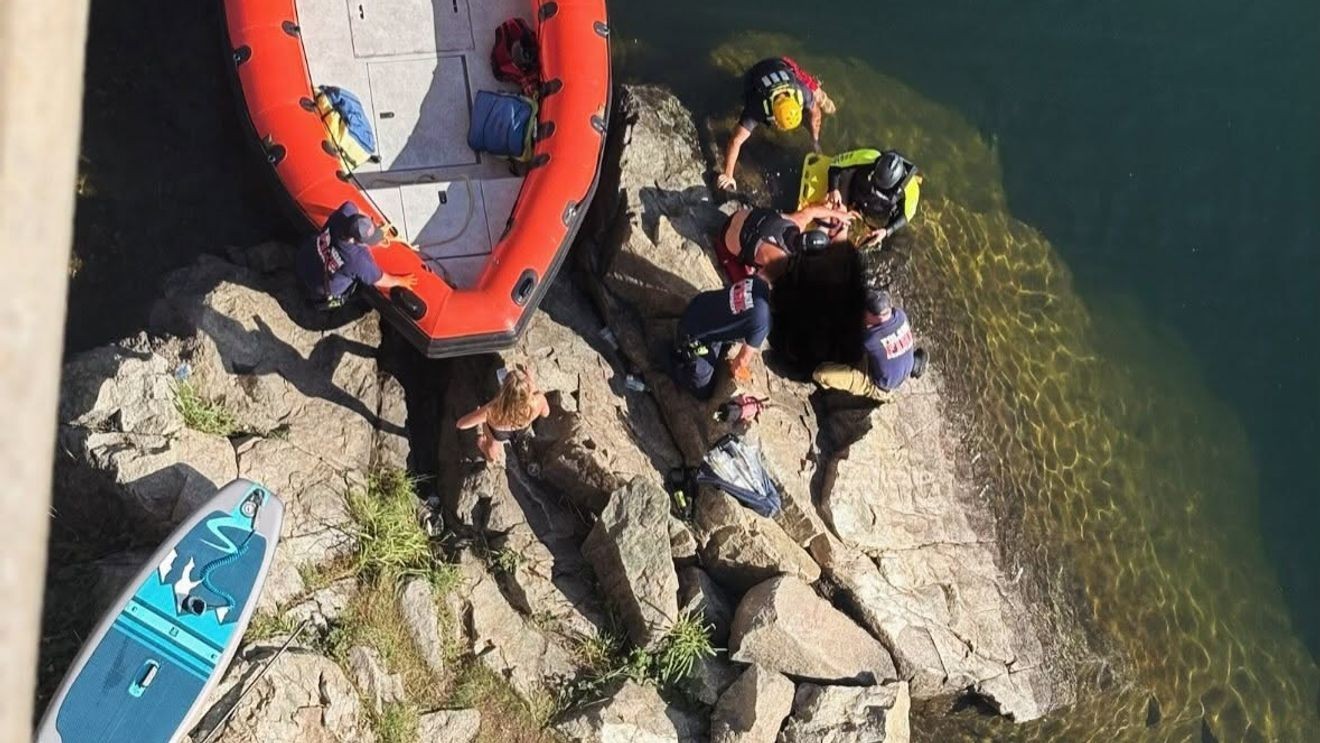
A recent rescue near Lake Natoma in Northern California serves as an important reminder that natural waterways can present hazards that are difficult to recognize from above. According to local authorities, a young woman required emergency rescue after landing on rocks instead of entering deep water during a bridge jump. Folsom Fire Department reported that rescue crews responded quickly, transported her across the river by boat, and transferred her to a hospital for medical care. The extent of her injuries has not been publicly released. Rainbow Bridge is posted with signs prohibiting jumping, yet emergency responders say incidents continue to occur.
What Happened
According to reports, the individual was part of a group jumping from the bridge into Lake Natoma.
Emergency responders found her conscious and able to communicate but unable to move independently.
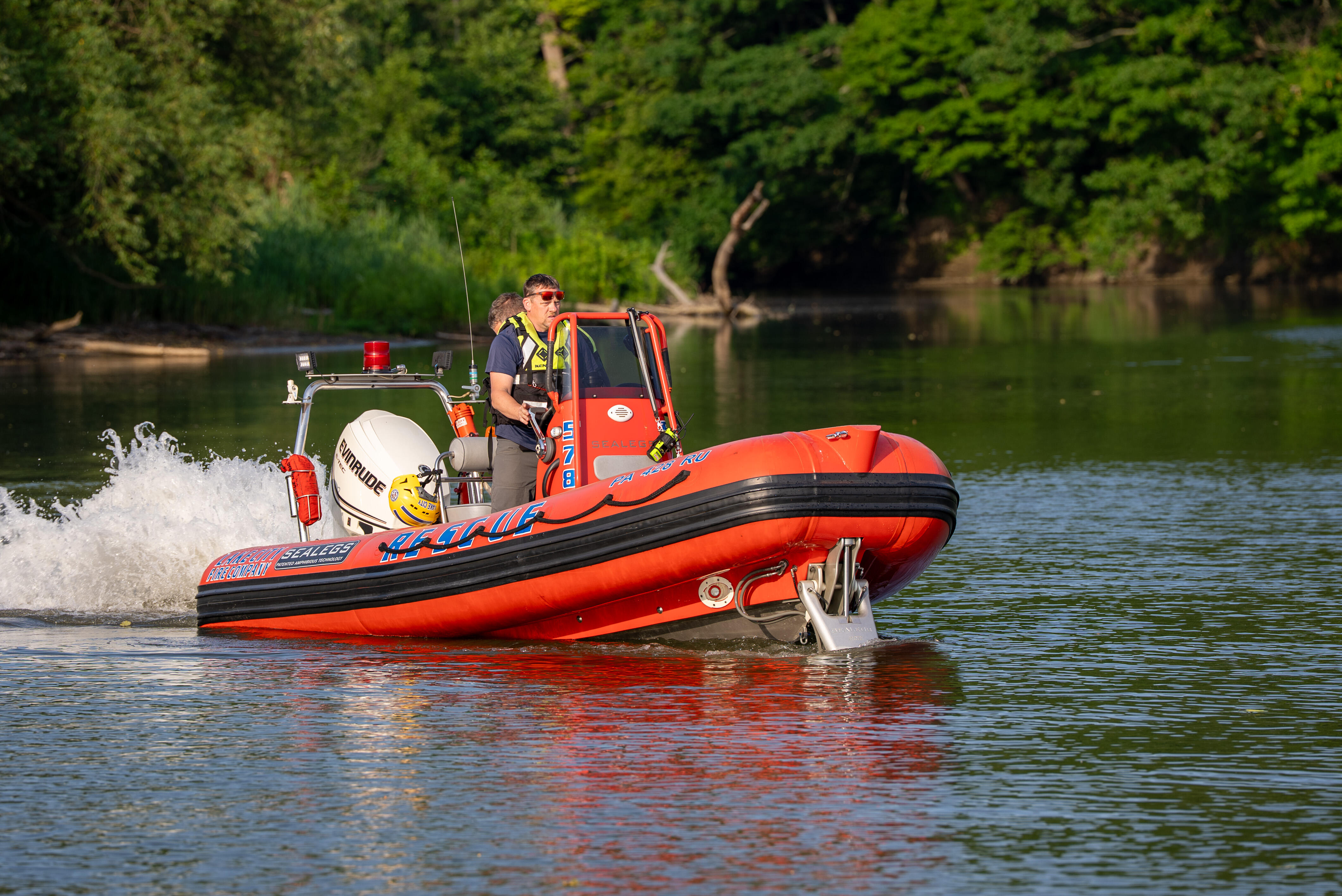
Fire crews used a rescue boat to transport her safely across the water before paramedics took her to a nearby hospital for evaluation and treatment. Authorities have not released additional medical details.
Why Bridge Jumping Can Be Dangerous
Although a body of water may appear safe from above, several hidden factors can increase risk:
- Rocks beneath the surface
- Changing water depth
- Submerged tree branches
- Strong currents
- Cold water
- Uneven riverbeds
Water levels can also change throughout the year because of rainfall, drought, dam operations, or seasonal conditions.
A location that appears safe based on previous visits may have changed significantly.
The Importance of Warning Signs
Public agencies install warning signs after evaluating known hazards.
These signs may reflect:
- Previous rescue incidents
- Shallow water
- Underwater obstacles
- Strong currents
- Restricted recreation areas
Ignoring posted warnings increases the likelihood of preventable emergencies.
Why Water Depth Can Be Misleading
Estimating depth from a bridge is extremely difficult.
Sunlight, reflections, shadows, and water clarity can make shallow areas appear much deeper than they actually are.
Natural waterways are constantly changing, making visual estimates unreliable.

Emergency Response in Difficult Terrai
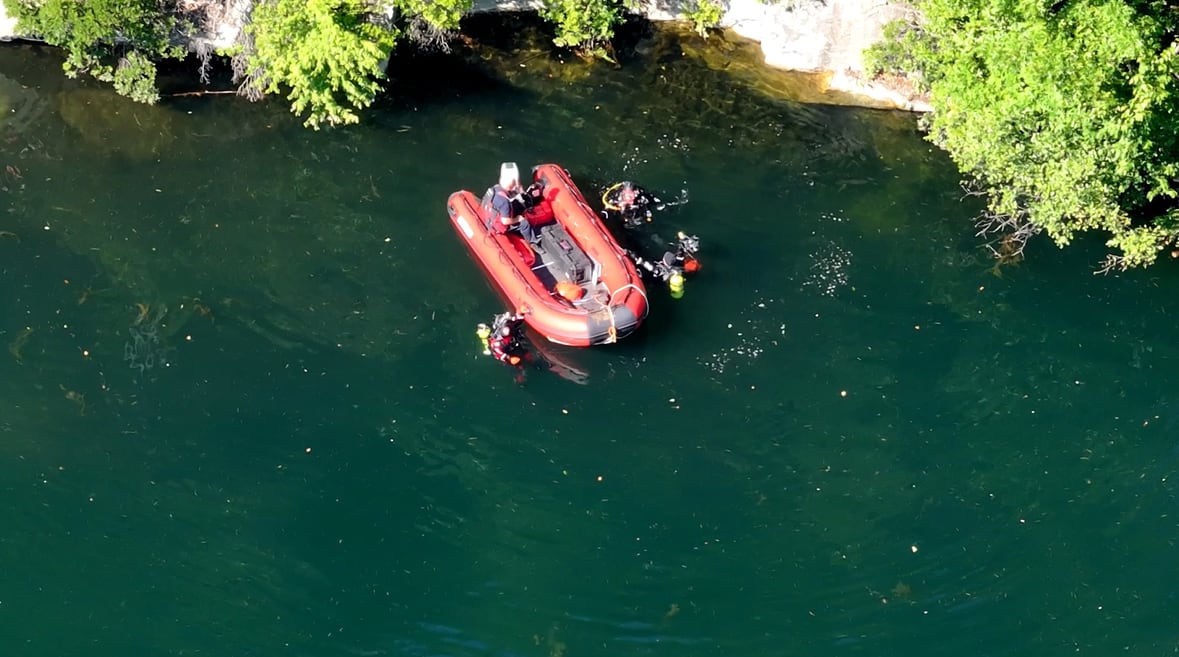
Water rescues often require specialized teams trained in:
- Boat operations
- Swift-water rescue
- Rope systems
- Patient stabilization
- Remote access
In this incident, rescue personnel safely transported the injured individual across the river before transferring her to waiting medical crews.
Staying Safe Around Lakes and Rivers
Outdoor recreation can remain enjoyable while reducing unnecessary risks.
Helpful safety practices include:
- Swim only in designated areas.
- Obey warning signs and closures.
- Wear life jackets during boating activities.
- Never assume water depth.
- Avoid risky stunts or challenges.
- Stay aware of changing conditions.
These simple precautions can significantly reduce the likelihood of accidents.
Frequently Asked Questions
Why do authorities prohibit bridge jumping?
Restrictions are usually based on known hazards such as shallow water, submerged rocks, changing currents, or previous rescue incidents.
Can water depth change?
Yes. Rivers and lakes change throughout the year due to weather, seasonal runoff, and water management practices.
Why is cold water a concern?
Cold water can affect muscle function and breathing, making it more difficult to swim or respond effectively in an emergency.
What should someone do if they witness a water emergency?
Call local emergency services immediately. Avoid entering hazardous water unless you have appropriate rescue training and equipment, as additional rescuers can also become victims.
A Reminder That Natural Areas Deserve Respect
Lakes and rivers provide wonderful opportunities for recreation, but they are dynamic natural environments rather than controlled swimming pools.
Recognizing hazards, following posted guidance, and making cautious decisions can help ensure outdoor adventures remain enjoyable for everyone.
Conclusion
The recent rescue at Rainbow Bridge illustrates how quickly recreational activities can become emergencies when hidden hazards are underestimated. While authorities have not released details about the young woman’s recovery, the incident reinforces an important public safety message: warning signs exist for good reason.
Whether visiting a familiar swimming spot or exploring somewhere new, taking a few moments to assess conditions and follow local safety guidance can make a meaningful difference. Respecting natural waterways helps protect both visitors and the emergency responders who may be called upon when accidents occur.
Sources
- Folsom Fire Department – Incident information shared by the department.
- Centers for Disease Control and Prevention – Water safety guidance.
- American Red Cross – Water safety recommendations.
- Local news reporting by Local 12 and regional California news outlets covering the rescue incident.