
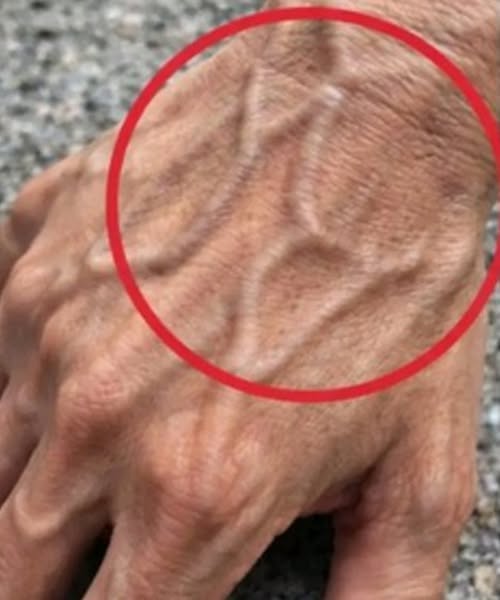
You catch your reflection in the mirror and notice something you had never paid much attention to before: the veins beneath your skin seem more visible than usual.
Perhaps they appear blue or green across your hands or arms. Maybe they stand out more after exercise, during warm weather, or after spending a long day on your feet. For some people, visible veins are simply a normal part of their appearance. For others, a sudden change can naturally raise questions.
Does having visible veins mean you are particularly fit? Does it indicate low body fat? Could it be related to age, genetics, or circulation?
The answer is more interesting than a simple internet headline might suggest.
Visible veins are often a normal feature of human anatomy. Their appearance can be influenced by factors including genetics, skin characteristics, body composition, physical activity, temperature, and age. At the same time, changes involving swelling, discomfort, skin color, or other unusual symptoms can sometimes deserve medical attention.
Understanding the difference between ordinary visible veins and symptoms that warrant professional evaluation can help people avoid unnecessary worry while also knowing when it is sensible to seek advice.
Why Can You See Your Veins?
Veins are blood vessels that carry blood back toward the heart. Some veins lie relatively close to the surface of the skin, while others are located deeper within the body.
Superficial veins are naturally easier to see because they are closer to the skin’s surface. Depending on a person’s anatomy and skin characteristics, these vessels may appear blue, green, or slightly purple.
The visibility of veins varies significantly from one person to another.
Two people can have similar levels of physical activity and completely different-looking veins. Genetics, skin thickness, body composition, and the natural arrangement of blood vessels can all contribute to these differences.
This is why visible veins should not automatically be interpreted as a sign that something is wrong.
The NHS notes that small visible veins, including spider or thread veins, are usually harmless. Larger, swollen, twisted veins known as varicose veins are a different condition and can sometimes cause symptoms.

Visible Veins and Body Composition
One reason veins may become more noticeable is a reduction in the amount of tissue between the skin and superficial blood vessels.
People with naturally lean body composition may therefore notice veins more easily. However, this does not mean that visible veins can be used as a reliable way to determine someone’s body-fat level.
Body composition is influenced by many factors, and appearance alone cannot provide an accurate measurement.
It is also possible for someone with a higher body-fat percentage to have visible veins in certain areas of the body, while another person with a leaner appearance may have relatively subtle veins.
In other words, visible veins are not a simple “fitness test.”
They are one visible feature of a highly individual body.
Exercise Can Make Veins Look More Prominent
Have you ever noticed that the veins in your hands or arms seem more obvious after physical activity?
There is a straightforward physiological explanation.
During exercise, working muscles require increased blood flow. Temporary changes in circulation and blood vessel diameter can make superficial veins more noticeable.
The effect may be particularly obvious after strength training or other forms of vigorous physical activity.
This does not necessarily mean that prominent veins indicate exceptional fitness. Rather, exercise can temporarily change the appearance of blood vessels near the surface of the skin.
Over time, regular physical activity can also affect body composition and muscle development, which may further change how veins appear.
The important point is that a vein becoming more noticeable after exercise is not automatically a cause for concern.
Warm Weather Can Change the Appearance of Veins
Temperature can also influence how visible veins appear.
When the body becomes warm, blood vessels near the skin can widen as part of the body’s efforts to regulate temperature. As superficial vessels become more prominent, veins may consequently appear easier to see.
This is one reason a person might notice more visible veins during hot weather or after spending time in a warm environment.
The change can be temporary.
Once the body returns to its usual temperature, the appearance of superficial veins may become less noticeable again.
This is a good example of why context matters. Looking at a person’s veins at one particular moment does not necessarily tell the whole story about their circulation or health.
Aging Can Make Veins More Noticeable
Another factor is age.
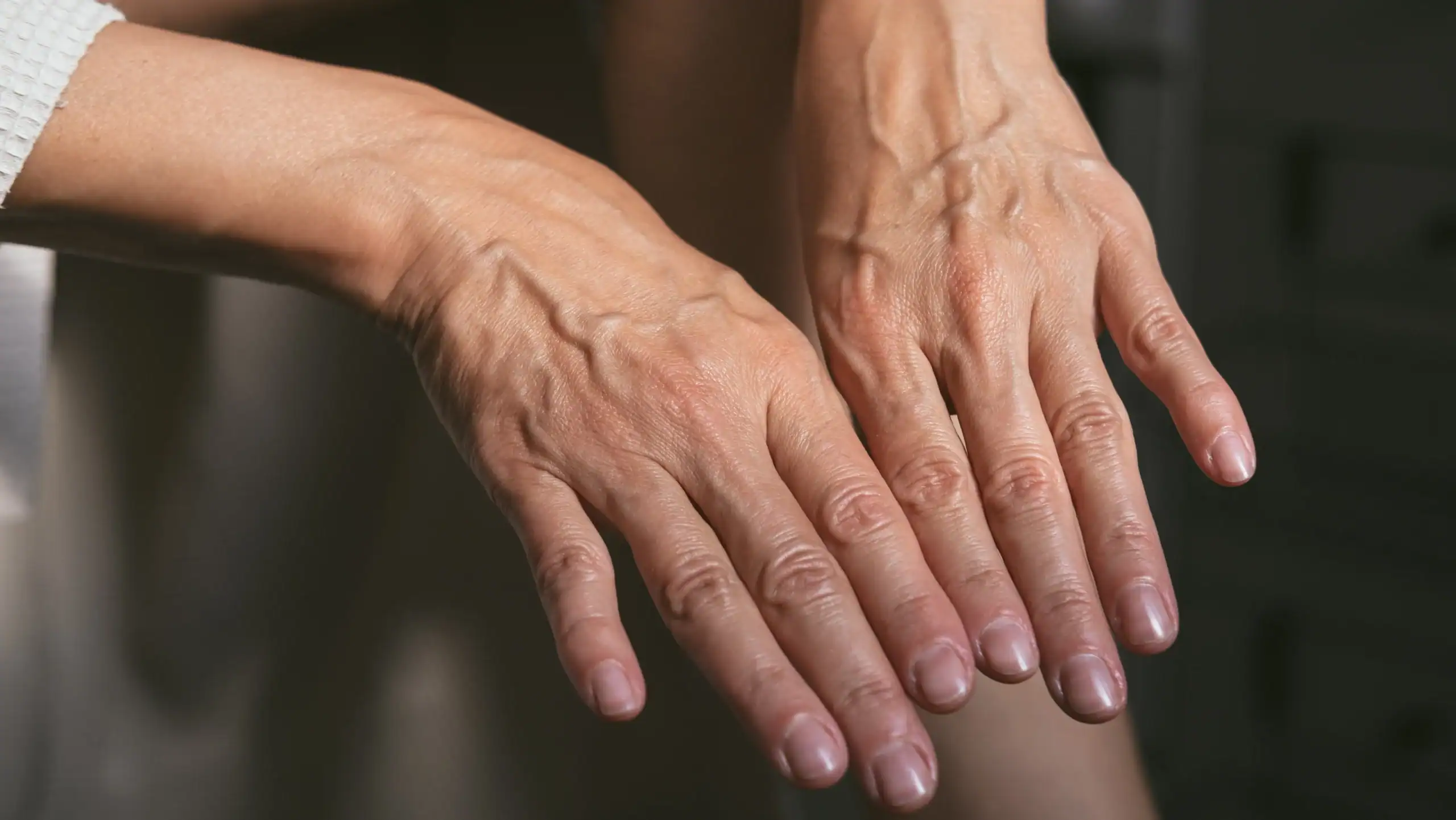
As people grow older, the skin gradually changes. It can become thinner and lose some of the structural characteristics that previously made underlying vessels less visible.
At the same time, changes in connective tissue and body composition can alter the appearance of the skin and the structures beneath it.
As a result, veins that were barely noticeable earlier in life may become easier to see later.
This is not necessarily a sign of illness.
It can simply be part of normal changes in the body over time.
The appearance of veins can therefore change throughout life, just as hair, skin texture, muscle mass, and other physical characteristics change.
Genetics Play a Bigger Role Than Many People Realize
Sometimes the simplest explanation is family resemblance.
Genetics can influence skin characteristics, body composition, vascular structure, and other physical traits that affect how prominent veins appear.
This means that some people naturally have more visible veins than others.
If several members of a family have noticeable superficial veins without experiencing related symptoms, genetics may be one factor contributing to the appearance.
This is another reason it is difficult to judge health based solely on what someone’s veins look like.
Human bodies are remarkably diverse, and normal anatomy can look very different from person to person.
Are Visible Veins a Sign of Good Fitness?
This is one of the most common assumptions surrounding prominent veins.
Someone may see clearly defined veins on an athlete and conclude that visible veins automatically mean a person is extremely fit.
The relationship is not that simple.
Exercise can influence circulation, muscle development, and body composition, all of which can affect how superficial veins appear. But genetics, skin characteristics, temperature, hydration, and other factors also play roles.
A person can be physically active without having highly visible veins.
Another person may have prominent veins without following an intensive exercise routine.
Therefore, visible veins should not be treated as a standalone measurement of fitness.
Fitness is better understood through functional measures such as strength, endurance, mobility, cardiovascular capacity, and overall physical performance rather than a single visual characteristic.
What Are Varicose Veins?
It is important to distinguish ordinary visible veins from varicose veins.
Varicose veins are enlarged, swollen, and often twisted veins that commonly appear on the legs. According to the NHS, they occur when valves within veins do not function properly, allowing blood to move backward and increase pressure within the vessel.
Varicose veins are common and are not usually serious, but they can sometimes cause symptoms.
People may experience aching, heaviness, itching, swelling, or changes in the skin around the affected area.
This distinction is useful because someone may see a blue line beneath their skin and immediately assume it is a varicose vein.
It may simply be an ordinary superficial vein.
The appearance, location, symptoms, and medical history all matter when determining what a particular vein represents.
When Should You Pay More Attention?
Visible veins by themselves are often not a reason for alarm.
However, a new or significant change accompanied by other symptoms deserves more attention.
For example, the NHS recommends medical evaluation for varicose veins associated with symptoms such as pain, itching, or swelling.
Mayo Clinic similarly advises people to seek medical advice when unusual vein-related symptoms occur, particularly when there is ongoing leg pain or swelling.
A sudden change is especially worth discussing with a healthcare professional if it occurs together with swelling, warmth, tenderness, or noticeable skin-color changes.
These symptoms can have several possible explanations, and only an appropriate medical evaluation can determine the cause.
Why Sudden Changes Are Different From Lifelong Visible Veins
There is an important difference between noticing that you have always had visible veins and suddenly discovering a new change.
If your veins have looked prominent for years and you feel well, the appearance may simply be part of your normal anatomy.
A sudden change is different because it represents a change from your personal baseline.
For example, new swelling in one leg combined with pain, warmth, or a change in skin color can be associated with deep vein thrombosis and should receive prompt medical attention.
That does not mean every newly noticeable vein represents a serious condition.
It means that symptoms should be considered together rather than looking at the vein alone.
Understanding Deep Vein Thrombosis
Deep vein thrombosis, commonly called DVT, occurs when a blood clot develops in a deep vein, most often in the leg.
Mayo Clinic lists symptoms that can include leg swelling, pain or cramping, skin-color changes, and warmth in the affected area. Some people may have few or no noticeable symptoms.
The NHS similarly describes swelling, pain, skin-color changes, and swollen veins among possible symptoms of DVT.
This is why it is important not to dismiss significant changes simply because the initial concern appears to be cosmetic.
If someone develops sudden unexplained swelling or other concerning symptoms, professional medical assessment is appropriate.
When Emergency Care May Be Necessary
Some symptoms require more urgent attention.
Mayo Clinic explains that DVT can sometimes lead to a pulmonary embolism, a serious complication in which a clot travels to the lungs. Warning symptoms can include sudden difficulty breathing, chest pain, dizziness, fainting, rapid breathing, or a rapid heartbeat.
These symptoms should not be attributed simply to visible veins.
They require urgent medical attention.
The key lesson is that the appearance of a vein is only one small piece of information. Symptoms occurring alongside the change are much more important when deciding whether medical evaluation is necessary.
Everyday Habits That Support Healthy Circulation
For most people, maintaining healthy circulation involves ordinary lifestyle habits rather than focusing on whether veins are visible.
Regular physical activity can support blood flow and overall cardiovascular health. The NHS recommends regular exercise such as walking for people with varicose veins, while Mayo Clinic also recommends movement and avoiding prolonged periods of sitting or standing.
Changing position regularly can be useful when sitting or standing for long periods.
For people who experience leg discomfort associated with varicose veins, elevating the legs when resting may also help relieve symptoms.
These are general wellness principles rather than treatments for a specific medical condition.
Anyone with persistent or concerning symptoms should discuss them with a qualified healthcare professional.
Why Online Health Headlines Can Be Misleading
The original headline asks readers to interpret visible veins as if they reveal something definite about a person.
This type of headline is effective because it creates curiosity.
People naturally want to know what a physical characteristic “means.”
But the human body rarely works through one-to-one rules.
Visible veins do not automatically mean that someone is exceptionally healthy, extremely fit, unusually lean, or experiencing a medical problem.
Several factors can produce the same visual appearance.
This is an important lesson for reading health information online: a compelling headline is not the same thing as a medical conclusion.
Reliable health information should explain possible causes, acknowledge uncertainty, and distinguish common harmless features from symptoms that warrant evaluation.
The Science Behind a Very Ordinary Feature
Veins can look surprisingly complex beneath the skin.
Their visibility depends partly on their location, the surrounding tissue, skin characteristics, circulation, temperature, and individual anatomy.
Something as simple as holding your hands down for a while, exercising, or entering a warm environment can sometimes change how prominent superficial veins appear.
The human body is constantly adjusting.
Blood vessels respond to temperature and physiological demands. Muscles influence circulation. Skin changes over time. Body composition changes throughout life.
What we see on the surface is therefore the result of many processes happening underneath.
A Better Way to Think About Visible Veins
Instead of asking, “What does it mean if I have visible veins?” a more useful question is:
“What is normal for my body, and has anything meaningfully changed?”
If visible veins have always been part of your appearance and there are no unusual symptoms, they may simply reflect your individual anatomy.
If the appearance has changed suddenly or is accompanied by swelling, warmth, tenderness, significant discomfort, or skin-color changes, it is sensible to seek medical advice.
This approach avoids two common mistakes.
The first is unnecessary fear about a normal physical characteristic.
The second is ignoring a meaningful change because visible veins are usually harmless.
Both extremes can be avoided by paying attention to context.
Final Reflection: Learning to Understand Our Bodies
A few blue or green lines beneath the skin may seem insignificant, yet they can inspire surprisingly many questions.
Are they normal?
Are they related to exercise?
Is age responsible?
Does genetics play a role?
Could they signal something that deserves attention?
The science shows that visible veins can have many ordinary explanations. Genetics, body composition, exercise, temperature, and changes associated with aging can all influence how prominent superficial veins appear.
At the same time, symptoms such as unexplained swelling, warmth, tenderness, pain, or significant changes in skin color should not be ignored.
The most valuable lesson is not to fear every visible change, but to become familiar with what is normal for your own body.
Human curiosity often begins with something small: a line beneath the skin, a new mark, or a subtle change in appearance. When curiosity is combined with reliable information, it can become an opportunity to understand the remarkable biology taking place beneath the surface.
Visible veins are often simply part of being human. Knowing when they are ordinary and when a change deserves professional attention is what makes health awareness genuinely useful.
Sources
Mayo Clinic, “Varicose Veins: Symptoms and Causes.”
Mayo Clinic, “Deep Vein Thrombosis: Symptoms and Causes.”
NHS, “Varicose Veins.”
NHS, “Deep Vein Thrombosis (DVT).”
Guy’s and St Thomas’ NHS Foundation Trust, “Varicose Veins.”