


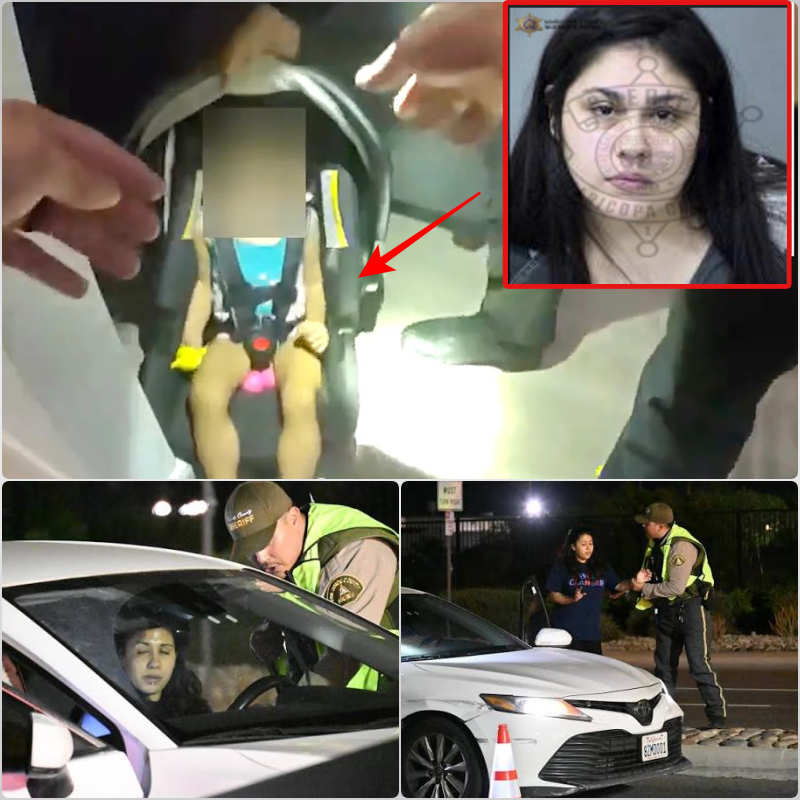
It was late on a Saturday night when an ordinary family home suddenly became the center of an emergency response.
A young child was inside the house, another child was nearby, and an adult caregiver was unable to respond. Smoke had filled parts of the home after food was left heating in a microwave. A child noticed something was wrong and alerted an adult, leading to a 911 call and a rapid response from emergency personnel.
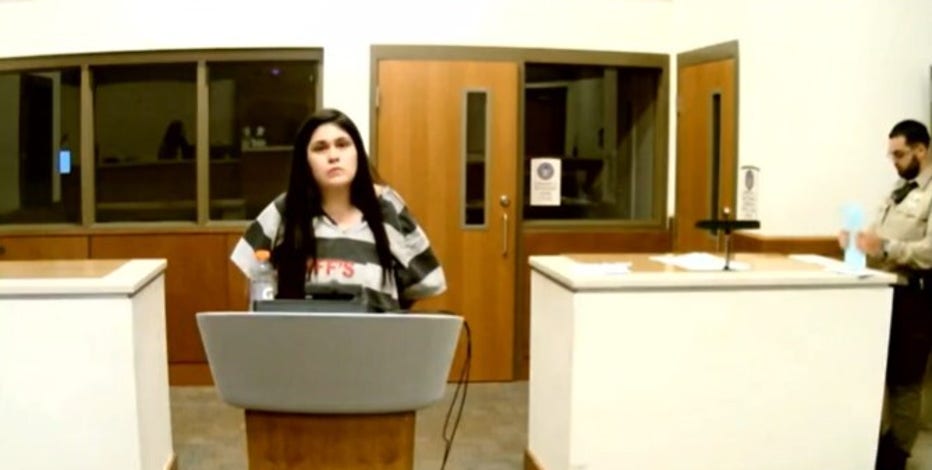
According to reports from local Arizona news organizations and court documents cited by several outlets, police later arrested a 26-year-old Arizona woman in connection with a child abuse charge.
The details of the case are concerning, but they also raise a broader question that extends far beyond one household:
What can families do to make sure children remain safe when an unexpected emergency happens?
The incident offers an opportunity to discuss supervision, emergency awareness, household safety, and the importance of having a clear plan for children.
What Happened in the Arizona Home?
According to reports from AZFamily, FOX 10 Phoenix, and News 12, Glendale police were called to a residence near 67th Avenue and Cholla Street at approximately 11 p.m. on August 1.
The initial emergency call reportedly involved a 2-year-old child who was still secured in a car seat inside the home.
A 7-year-old child was also reportedly present.
Authorities said the older child noticed smoke and alerted the children’s father, who contacted emergency services.
When officers arrived, they found an adult woman inside the residence who was reportedly unresponsive.
The young girl was subsequently taken outside by officers while still in her car seat, according to reports.
Investigators later determined that food left in a microwave had produced the smoke.
The incident eventually led to a child abuse charge against the adult caregiver.
Because the case involves an ongoing legal process, allegations should be understood as allegations rather than established facts. Any final legal determination will depend on the court process.
Why Household Emergencies Can Develop So Quickly
One of the most important lessons from this incident is how quickly a routine household activity can become an emergency.
Cooking and heating food are everyday activities.
Most of the time, nothing goes wrong.
But unattended appliances can create hazards, particularly when children are present and adults become distracted or unable to respond.
Smoke from overheated food can spread quickly through a home.
For that reason, fire-safety organizations commonly encourage families to remain attentive when using cooking appliances and to maintain functioning smoke alarms throughout the home.
The goal is not to make families afraid of ordinary activities.
It is to encourage simple habits that reduce preventable risks.
Children Need More Than Physical Presence
Being physically near a child is not always the same as actively supervising them.
Young children depend heavily on adults because they cannot reliably recognize or respond to every household danger.
A toddler may not understand what smoke means.
They may not know how to unlock a door.
They may not know how to contact emergency services.
They may also be unable to move independently when restrained in a car seat or another child-safety device.
This is why active supervision is particularly important for very young children.
Caregivers need to remain capable of responding when a situation changes unexpectedly.
The Importance of an Emergency Plan
Families do not need an elaborate emergency system.
A simple plan can make a meaningful difference.
Children should know how to recognize basic warning signs such as smoke alarms or unusual smells.
Older children can learn how to contact emergency services and provide their home address.
Families can also identify a safe meeting place outside the home.
Parents should discuss what children should do if an adult becomes unable to respond.
These conversations do not need to be frightening.
They can be presented as practical safety exercises, similar to learning how to cross a street safely.
Teaching Older Children What to Do
The reported role of the 7-year-old child in alerting an adult highlights an important aspect of family safety.
Older children can sometimes recognize problems before younger children can.
That does not mean children should be responsible for supervising younger siblings.
Adults remain responsible for providing appropriate care.
However, children can learn basic emergency awareness.
For example, parents can teach children:
How to recognize a smoke alarm.
How to leave the house safely.
Where to meet family members outside.
How to call emergency services.
How to give their name and home location.
How to ask a trusted adult for help.
These skills can help children respond appropriately when something unexpected happens.
Alcohol and Caregiving Responsibility
The case also raises a broader issue about caregiving and alcohol.
Adults have different relationships with alcohol, but when someone is responsible for young children, the most important consideration is their ability to respond.
Caring for toddlers requires attention, judgment, mobility, and the ability to react quickly.
An adult who becomes significantly impaired may no longer be capable of providing adequate supervision.
This is not about judging an individual’s lifestyle.
It is about recognizing that caregiving responsibilities require adults to remain capable of responding to children’s needs.
Families can reduce risk by arranging another responsible adult to supervise children when necessary.
Planning ahead is especially important during gatherings, celebrations, or situations where alcohol may be present.
Why Backup Caregivers Matter
Every family can benefit from having a backup plan.
Parents may become ill.
A caregiver may suddenly need assistance.
An unexpected situation may occur at home.
Having another trusted adult who can step in provides an additional layer of safety.
Families can discuss in advance who can help if the primary caregiver becomes unavailable.
This can include relatives, close family friends, or another trusted adult who understands the children’s routines.
The important part is having a plan before an emergency happens.

Smoke Alarms Can Provide Precious Warning
Smoke alarms are among the simplest household safety tools.
The U.S. Fire Administration recommends installing smoke alarms in appropriate areas of the home and testing them regularly.
Families should also make sure children know what the alarm sounds like.
A smoke alarm should never be treated as background noise.
When it activates, everyone should know what to do.
Parents can practice evacuation routes with children so that leaving the home becomes familiar rather than confusing.
Kitchen Safety Matters
The reported incident also highlights a common household safety area: the kitchen.
Cooking appliances should be used according to manufacturer instructions.
Food should not be left unattended when there is a reasonable risk of overheating.
Microwave-safe containers should be used appropriately.
Parents should also keep children away from hot surfaces and appliances.
Small habits can make a meaningful difference.
For example, setting a timer can help prevent food from being forgotten.
Keeping the kitchen organized can reduce distractions.
Knowing where the fire extinguisher is located can also help adults respond appropriately to certain situations.
What Parents Can Teach Toddlers
Toddlers are too young to manage many emergencies independently, but parents can still begin teaching basic safety concepts.
Simple lessons can include:
“Stop when you hear the alarm.”
“Stay away from the stove.”
“Do not touch electrical outlets.”
“Stay with a trusted adult.”
“Tell an adult when you see smoke.”
The lessons should be simple and repeated regularly.
Young children learn through repetition.
The goal is not to make them responsible for emergencies but to help them recognize situations where they should seek adult assistance.
Avoiding Blame While Learning From an Incident
Stories involving children can generate strong emotional reactions.
People may immediately want to assign blame or imagine what they would have done differently.
But individual incidents are complicated.
The legal system must determine responsibility based on evidence and applicable law.
For everyone else, the more constructive approach is to focus on prevention.
What household risks can be reduced?
Does every family member know the emergency plan?
Are smoke alarms working?
Does an older child know how to call for help?
Is there a backup caregiver?
Are appliances being used safely?
These questions can turn a troubling story into a practical safety conversation.
A Reminder About Child Safety
The Arizona incident is a reminder that emergencies do not always begin with something dramatic.
Sometimes they begin with a simple household activity.
Sometimes a caregiver becomes unexpectedly unable to respond.
Sometimes a child notices a problem before anyone else does.
Preparedness cannot prevent every emergency.
But it can help families respond more quickly.
That is why emergency planning should be part of ordinary family life rather than something discussed only after an incident occurs.
Final Thoughts: Small Safety Habits Can Make a Big Difference
The reported events in Glendale are ultimately a matter for investigators and the courts.
But the broader lesson belongs to every family.
Children depend on adults to create safe environments.
That responsibility includes supervision, emergency planning, safe appliance use, functioning smoke alarms, and making sure a capable adult is available to respond when children need help.
Parents do not need to create a perfect home.
They need to create a prepared one.
A simple conversation about what to do when a smoke alarm sounds can matter.
A working alarm can matter.
Knowing how to contact emergency services can matter.
Having a trusted backup caregiver can matter.
None of these steps is complicated, but together they create layers of protection.
The most valuable lesson from a difficult story is not fear.
It is preparation.
When families take a few minutes to plan ahead, children have a better chance of knowing where to go, whom to ask for help, and what to do when something unexpected happens.
That is the kind of lesson worth carrying forward: home safety is not about expecting something to go wrong. It is about being ready if it does.
Sources
U.S. Fire Administration. Cooking and Home Fire Safety Resources. (usfa.fema.gov)
National Fire Protection Association. Smoke Alarms and Home Fire Safety. (nfpa.org)
AZFamily. Reporting on the Glendale, Arizona incident.
FOX 10 Phoenix. Reporting and police body-camera coverage referenced in the original report.
PEOPLE. “Woman Charged After Being Found Passed Out Drunk While Toddler Was Trapped in Car Seat in Their Smoke-Filled Home: Police.” (people.com)