



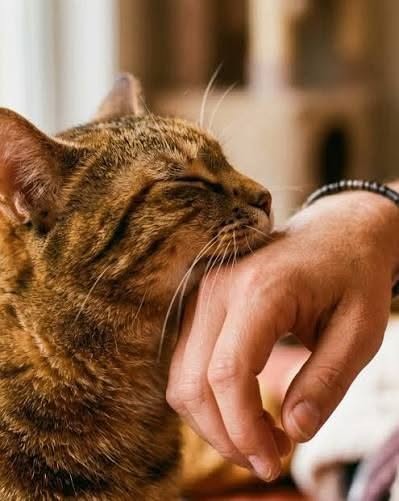
Why Cats Rub Against You: Decoding Feline Affection and Behavior
Introduction: Understanding Feline Communication
Cats are known for their enigmatic behaviors and subtle ways of communicating with humans. While many actions of cats may appear random or simply affectionate, scientific studies and expert observations reveal that each behavior carries purposeful meaning. One common interaction is when a cat rubs against your leg or body. This simple gesture, often interpreted as seeking affection, is in fact a multifaceted expression of instinct, emotion, and the unique bond cats share with their humans.
The Science Behind Cat Rubbing: Scent Marking and Territory
At the core of this behavior is the act of scent marking. Felines have specialized scent glands located in various parts of their body, particularly around their face, cheeks, and forehead. When a cat rubs against you, these glands deposit pheromones—chemical markers unique to each individual cat. According to animal behaviorists and veterinary professionals, this is a way for cats to create a shared scent profile.
By marking you with their scent, your cat is not only claiming you as part of their territory but is also communicating a sense of belonging and safety. In the wild, cats use scent marking to define boundaries and create safe zones. Domestic cats inherit this instinct, viewing their humans as integral to their environment. This tactile and olfactory interaction builds familiarity and reinforces trust within the home.
Emotional Sensitivity: Cats Responding to Human Moods
Recent research in animal psychology suggests that cats are highly attuned to emotional and physical cues from their human companions. Cats observe and react to subtle changes in posture, voice tone, and routine. If you have ever returned home stressed or upset and noticed your cat rubbing against you more than usual, it may be a response to perceived shifts in your emotional state.
Experts at institutions such as the Mayo Clinic and CDC emphasize the reciprocal nature of animal and human emotional interactions. Through rubbing, cats can offer comfort, signaling their presence and support. This empathetic response can help reduce anxiety and strengthen the human-animal bond.
Trust and Social Bonds: A Sign of Security
Cats are generally cautious creatures, only initiating close physical contact when they feel safe and secure. The act of rubbing against you reveals the depth of their trust. Unlike dogs, cats are selective about their interactions, preferring quality over quantity. Feline behaviorists explain that proximity and contact are reserved for trusted members of their social group.
This gesture is often seen during routine greetings, when cats return from exploration or travel from room to room. The rubbing may be accompanied by purring or kneading, further indicating contentment and trust.
Seeking Attention or Communicating Needs
While scent marking and emotional signaling are primary motivations behind rubbing, cats also use this behavior to communicate needs. It may be a subtle request for food, play, or reassurance if their environment has changed. Cats thrive on routine, and any alteration—be it a new visitor, a change in household items, or shifts in your daily schedule—can prompt them to check in with you through rubbing.
Animal behavior experts recommend observing your cat’s body language alongside this gesture. Slow blinks, upright or curling tails, and vocalizations often complement rubbing behavior, providing further clues to their intentions.
Cultural and Scientific Perspectives on Cat Behavior
Globally, cats have inspired both scientific inquiry and cultural fascination. Studies in countries with high rates of pet ownership highlight the positive effects of feline companionship on mental health. In Japan, the concept of “neko” cafes allows patrons to experience the calming, interactive presence of cats, often noting the soothing nature of their affectionate gestures.
International veterinary researchers continue to explore the nuances of cat communication, emphasizing the need for humans to reciprocate by creating safe, predictable environments and understanding feline needs.
Expert Views: What Veterinarians and Behaviorists Say
Veterinary professionals and animal behaviorists offer insight into how to interpret and respond to cat rubbing. Dr. John Bradshaw, an authority on feline behavior, explains that cats are social but independent animals. Scent marking and rubbing are key components of their interaction toolkit. Responding positively by speaking gently or petting your cat can reinforce trust and deepen your relationship.
Experts suggest being mindful of your cat’s preferences—not all cats appreciate being picked up or held. Observing their reactions ensures that interactions remain mutually comfortable.
Tips for Enhancing the Human-Cat Bond
- Recognize that rubbing is more than seeking affection; it is communication.
- Maintain a consistent routine to help your cat feel secure.
- Respond to your cat’s gestures with gentle interaction.
- Provide safe spaces and environmental enrichment to support natural behaviors.
- Watch for changes in frequency or intensity of rubbing—these may indicate shifts in your cat’s emotional or health status.
International and Societal Reactions to Feline Behavior
As pet ownership rises globally, understanding feline communication is increasingly important. Animal welfare organizations promote education about cat behavior to foster responsible and empathetic pet care. Media outlets and educational platforms often highlight stories where cats comfort their owners, especially in stressful times, pointing to the mutual benefits of the human-animal relationship.
Societies that understand and respect feline behaviors tend to see fewer cases of abandonment and higher rates of pet longevity. This underscores the universal value of decoding cat communication.
Conclusion: Appreciating the Meaning Behind Cat Rubbing
When your cat rubs against you, it may appear to be a simple act of affection, but it is rooted in science, emotion, and a complex web of communication. By marking you with their scent, monitoring your emotional state, expressing trust, or seeking attention, cats reveal the depth of their intelligence and sensitivity. Recognizing and respecting these gestures helps build a stronger, more meaningful bond with your feline companion.
As research expands, and as pet owners worldwide share their experiences, our understanding of feline communication will continue to grow. Next time your cat brushes against you, remember that you’re receiving a silent message, layered with meaning and care.
Sources
- BBC – Science & Environment: Cat Behaviour Studies
- CDC – Healthy Pets, Healthy People
- Reuters – Cats May Understand Human Emotions
- Mayo Clinic: Animal-Assisted Therapy
- The Guardian – Do Cats Understand Affection?
- Al Jazeera – Understanding Cats
Disclaimer: This content is intended for entertainment purposes only and is not based on real events.