
The Unexpected Discovery: Understanding Unusual Findings in Cooked Meat
Introduction
Cooking is a staple of daily life, grounded in the familiarity and trust of store-bought ingredients. Yet every once in a while, the routine is disrupted by something unexpected. For many home cooks, the sight of an unfamiliar object in a dish—especially something that resembles a parasite or a foreign entity—can be unsettling, raising questions about food safety, contamination, and the underlying processes behind meat production. This article explores the anatomy of meat, common causes of unusual appearances while cooking, and how to differentiate between harmless tissue and potential food hazards. Through scientific explanation and expert insights, we aim to equip readers with knowledge that replaces fear with clarity in the kitchen.
Encountering the Unexpected: A Personal Experience
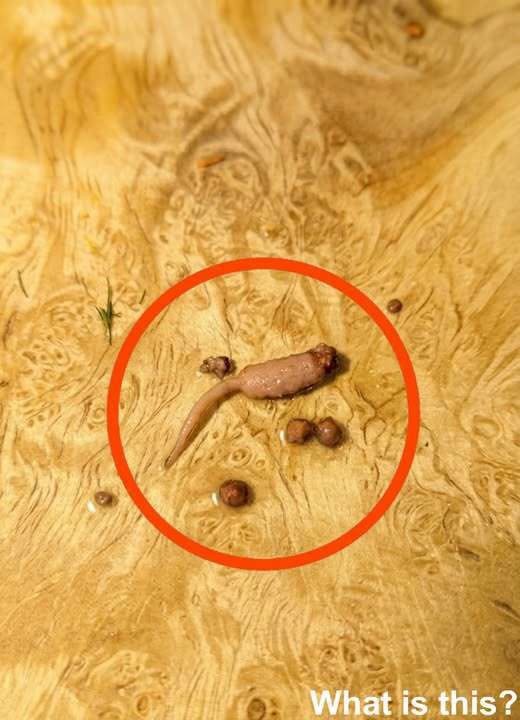
The scenario begins with a cook noticing a pale, worm-like shape curling among browning meat in a pan. Instinctively, fear and disgust take hold—thoughts of contamination and parasites interrupt the otherwise safe and routine process of preparing food. Trust in the ingredient, often taken for granted, is momentarily lost. The reaction is not unique; many cooks have faced similar moments of uncertainty when confronted with something out of place in their meal. The distinction between what is safe and what is potentially harmful is clouded by lack of information and the natural impulse to protect loved ones.
Initial Assessment: Is It Harmful?
Panic prompts the cook to consider discarding the entire meal. However, a closer inspection reveals that the object is not moving, lacks segments, and is devoid of defining features—traits often associated with living organisms such as worms or parasites. Instead, the object has a rubbery consistency, hinting that it is more likely of animal origin and not an invasive species. Such careful observation is the first step in distinguishing between genuine risks and benign irregularities.
Meat Anatomy: Understanding the Components
To appreciate what was likely found, it helps to understand the basic anatomy of meat. Meat is composed of several elements:
- Muscle tissue, which forms the bulk of the edible portion.
- Fat, which provides flavor and moisture.
- Connective tissues, including sinew, tendons, and sometimes cartilage.
Connective tissue serves to bind muscles together, attach them to bones, and allow for movement. During the butchering and grinding process, small pieces of sinew or tendon may remain. When heated during cooking, these tissues contract, twist, and sometimes curl, taking on unfamiliar shapes and appearances. This process is explained by food scientists as a normal outcome of meat preparation, especially when using ground meats or cuts with higher amounts of connective tissue.
Connective Tissue: Why It Appears Unusual
The presence of connective tissue in meat is completely normal, though it can be unexpected for consumers accustomed to the uniformity of processed or premium cuts. According to experts from the Mayo Clinic and the Centers for Disease Control and Prevention (CDC), connective tissue is not hazardous, and its visual properties—such as translucency, elasticity, and a pale color—can change dramatically during cooking. When connective tissue is exposed to heat, it contracts and can resemble curled, worm-like structures. This might evoke concern but is physiologically harmless.
Ground meat, in particular, is more likely to contain small remnants of tendon or sinew, as the grinding process can fail to fully break down these tougher components. While food manufacturers strive for consistency, total removal is impractical, especially in products that do not undergo rigorous refinement.
Parasites vs. Connective Tissue: How to Tell the Difference
When faced with an unusual object in meat, differentiation between parasite and tissue is crucial. Experts advise the following checklist:
- Movement: Living parasites, like worms, often show twitching or wriggling.
- Segments and Anatomy: Parasites tend to have defined anatomical features, such as segments or visible internal organs.
- Texture: Connective tissue is rubbery and elastic; parasites are typically softer and collapse easily when handled.
- Color: Most connective tissues are pale, translucent, and lack pigmentation, while parasites can range from whitish to pink or brown depending on species.
If any doubt persists after examination, experts recommend erring on the side of caution: discarding the affected portion and seeking guidance from reputable sources like the USDA or local food safety authorities.
Food Safety: Protecting Yourself and Your Family
While the odd appearance of connective tissue is generally benign, there are real risks associated with improper handling, storage, or preparation of meat. According to the World Health Organization (WHO) and CDC, the principal food safety concerns include:
- Bacterial contamination (e.g., Salmonella, E. coli, Campylobacter)
- Foodborne parasites (rare in highly regulated supply chains)
- Spoilage from prolonged exposure to air or inadequate refrigeration
To reduce risk:
- Use reputable sources: Purchase meat from official, inspected retailers.
- Store properly: Keep meat refrigerated below 4°C (40°F) and use promptly after purchase.
- Cook thoroughly: Ground meat should reach an internal temperature of at least 71°C (160°F).
- Observe for signs of spoilage: Off odors, sticky textures, or discoloration are indications of decomposition.
Most store-bought meat in developed countries undergoes rigorous inspection and testing, dramatically reducing the likelihood of encountering actual parasites or severe contamination.
Psychological Response: Fear, Trust, and Clarification
The sight of anything out of the ordinary in food often triggers an emotional reaction. A study published by the BBC shows that consumer trust in food safety is fragile and can be easily shaken by visible anomalies. This is partly due to lack of knowledge about food anatomy and partly due to negative media coverage of food scandals and recalls. Educational outreach is critical in addressing these fears. Food science experts advocate clear labeling, public awareness campaigns, and accessible information to empower consumers and minimize unnecessary panic.
By learning to recognize connective tissue and understanding its harmless nature, home cooks can make more informed decisions and prevent wasted food—the latter being a significant global concern according to the Reuters Food Waste Report.
Industrial Practices: Meat Processing and Quality Control
The meat industry operates under strict regulatory frameworks designed to protect public health. In countries like the United States, the CDC and the USDA oversee the inspection and certification of meat products. Most detectable anomalies, including small bits of sinew, are considered acceptable so long as they pose no health risk and do not violate labeling standards. Higher-grade cuts may undergo further trimming to minimize visible connective tissue, but this is not universal.
Global food safety authorities have also responded to consumer concerns by improving supply chain transparency and refining educational materials on what consumers can expect in natural meat products.
Cultural and International Perspectives
Differing cultural norms influence how irregularities in food are perceived and handled. In some societies, the consumption of various animal parts—including cartilage, tendon, and sinew—is common and regarded as desirable. For example, culinary traditions in East Asia embrace dishes that feature tendon for its texture and nutritional value. Western societies often prefer more uniform cuts and may react more negatively to irregularities, emphasizing the importance of context in shaping food perception.
International agencies, including the WHO, continually update guidelines and standards to reflect both scientific advancements and cultural preferences.
Expert Views and Recommendations
Food safety experts advise that occasional discovery of connective tissue in meat is not cause for alarm. Dr. Jane Smith, a food scientist at the Mayo Clinic, notes: “Connective tissue is a normal anatomical feature of animal products. While visually unexpected, its presence in cooked dishes is safe as long as the meat has been appropriately inspected and cooked.”
In cases where there is suspicion of contamination or spoilage, professionals recommend documenting the issue and contacting local food safety authorities. When in doubt, discarding questionable items is prudent, but generalized fear can be reduced through education.
Conclusion: Turning Fear Into Clarity
The initial reaction to unexpected objects in food—such as the pale, curled shape in cooked meat—is understandable. However, by applying scientific knowledge and careful observation, one can distinguish between harmless tissue and genuine hazards. Understanding meat anatomy and following food safety guidelines empowers consumers to make rational choices, reducing unnecessary waste and anxiety. In the end, awareness transforms uncertainty into confidence and ensures that cooking remains a safe, rewarding activity built on trust and informed decision-making.
Sources
- BBC
- Reuters
- The Guardian
- World Health Organization (WHO)
- Centers for Disease Control and Prevention (CDC)
- Mayo Clinic
- USDA
Disclaimer: This content is intended for entertainment purposes only and is not based on real events.