
19-Year-Old Killed in Lightning Strike on Mount Timpanogos, Several Others Injured
by Jonathan May, KUTV
Updated:
Introduction
On the morning of September 18, 2026, a fatal lightning strike occurred near the summit of Mount Timpanogos in Utah, resulting in the death of a 19-year-old man and injuring several others. The Utah County Sheriff’s Office confirmed the incident, which unfolded during a severe thunderstorm as a group of hikers sought shelter in a small structure atop the mountain.
The Incident: Timeline and Details
According to reports from the Utah County Sheriff’s Office, the hiking group reached the summit of Mount Timpanogos early Friday morning, around 6 a.m., when suddenly the weather conditions changed. The approaching thunderstorm prompted the hikers to seek refuge inside a nearby small structure. At approximately 6:20 a.m., lightning struck the structure, causing critical injuries. Despite the immediate efforts made by the group and responding agencies to provide medical assistance, one individual—a 19-year-old man—passed away at the scene.

The sheriff’s office indicated that the victim’s name would not be released immediately, respecting both privacy concerns and ongoing notifications to family members.
Other hikers suffered injuries of varying severity. Quick response teams, including the Utah County Sheriff’s Office Search and Rescue Team and local medical personnel, worked diligently under challenging conditions to assist and evacuate the group from the remote and exposed location.
Severe weather posed significant obstacles. Rescue operations had to navigate treacherous terrain, compounded by ongoing storm activity, which delayed both access and medical intervention.
Eyewitness Accounts and Media Coverage
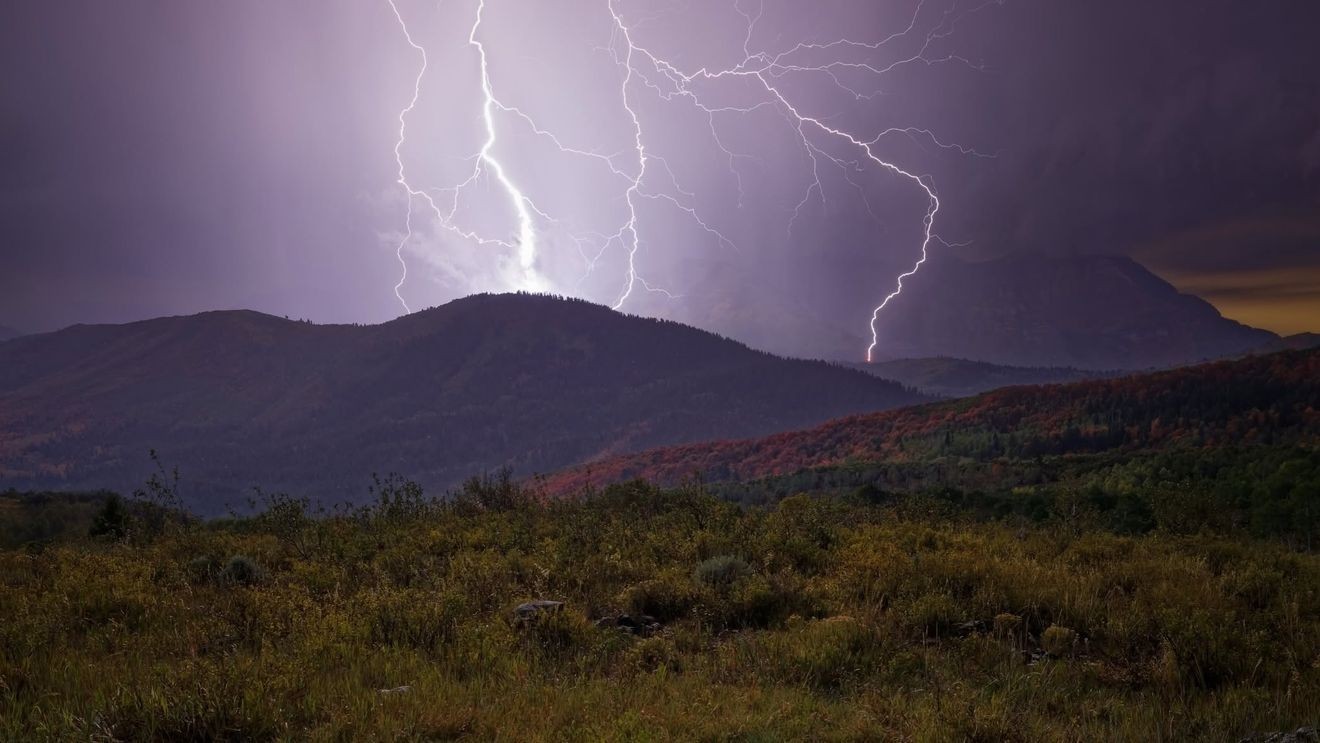
The event was witnessed by several hikers and captured in photographs by local residents. Viewers provided images to KUTV, showing the moment lightning struck near the summit, highlighting the intensity and suddenness of the weather event.

The photographs underscore the unpredictable nature of mountain weather, especially during seasonal storms in the Utah mountain ranges.
Mount Timpanogos: The Location and Its Risks
Mount Timpanogos, one of Utah’s most popular hiking destinations, is renowned for its challenging trails and scenic landscapes. The summit sits at an elevation of over 11,000 feet, offering unobstructed views but also increasing exposure to rapidly changing weather patterns.
The area’s high altitude and open terrain often make it vulnerable to sudden thunderstorms, particularly during late summer and early fall. Mountain storms can develop with little warning, posing significant risks to hikers and campers who may not have access to adequate shelter.
Search and Rescue Challenges
Responding to emergencies at high elevations is inherently difficult. The Utah County Sheriff’s Office Search and Rescue Team and emergency responders must contend with rugged terrain, limited accessibility, and potential hazards from ongoing weather events.
During this incident, the severity of the storm and the remote location of the summit compounded these challenges. Authorities emphasized that rescue operations needed to be carefully coordinated, prioritizing both safety for those affected and for responders themselves.
The sheriff’s office commended the rapid action of rescue teams and cooperating agencies. Their coordinated efforts were crucial in ensuring timely evacuation of survivors and providing immediate medical care under adverse conditions.
Official Guidance and Safety Recommendations
In the wake of the incident, officials issued renewed warnings about mountain safety, particularly in relation to lightning and severe weather. The Utah County Sheriff’s Office stressed that weather conditions can shift rapidly in mountainous environments, urging hikers to monitor forecasts and avoid exposed terrain when thunderstorms are forecast or present.
The National Weather Service (NWS) provides specific recommendations for outdoor recreationists:
- Leave peaks, ridgelines, and elevated areas immediately when thunder is heard.
- Seek substantial shelter—enclosed buildings or hard-topped vehicles—rather than small sheds or open shelters, which provide inadequate protection against lightning strikes.
- If safe shelter is not available, crouch low to the ground, minimize contact with the earth, and avoid isolated trees or tall objects.
Lightning fatalities, though statistically rare, often occur when individuals are caught outdoors during storms, especially in exposed mountain regions. The importance of preparedness, situational awareness, and heeding weather alerts cannot be overstated.
Lightning Safety: A Scientific Perspective
Lightning is a natural atmospheric phenomenon with immense energy, capable of causing severe injury or death upon direct or indirect contact. According to the Centers for Disease Control and Prevention (CDC), lightning’s electrical currents can negatively impact the heart, nervous system, and internal organs. Injuries range from burns to neurological impairment, hearing loss, and respiratory distress.
The CDC and National Weather Service highlight key statistics:
- Approximately 20-40 people are killed by lightning annually in the United States.
- Hundreds more suffer non-fatal injuries, many resulting in life-altering consequences.
- Mountainous areas and open plains are among the most dangerous environments during thunderstorms due to lack of shelter.
Survival rates depend largely on rapid emergency response and pre-existing awareness of lightning safety protocols.
Expert and Community Reactions
Following the tragedy, experts in outdoor safety and emergency medicine emphasized the necessity of education and preparedness for mountain hikers. Dr. Emily Thompson, a wilderness medicine specialist at the University of Utah Health, noted that “lightning awareness and prevention must be integral to all outdoor adventure planning, especially in high-altitude environments. The unpredictability of mountain storms requires a cautious approach, including checking hourly weather updates, carrying emergency supplies, and identifying safe shelters before starting a hike.”
Local hiking organizations and safety advocates echoed these sentiments, issuing reminders on social media and through local news outlets. Guides and experienced hikers often recommend beginning hikes early in the morning and planning to finish before afternoon storms, which are more common.
The broader community expressed condolences and support for the affected families and praised the efforts of first responders.
International and Societal Context
Lightning strike incidents, while relatively rare in the United States, occur worldwide. In countries such as India, Bangladesh, and parts of Africa, lightning deaths are more frequent due to agricultural practices and exposure during monsoon seasons. Awareness campaigns, technology-driven early warning systems, and infrastructural improvements (such as lightning rods and designated safe shelters) are increasingly used internationally to reduce fatalities.
In the U.S., organizations including the CDC and National Weather Service have invested in public outreach, educational materials, and real-time alerts to improve safety outcomes. Local governments and national parks promote “Lightning Safety Awareness Week” and deploy signage at trailheads and popular destinations.
Weather Warning and Related Events
The incident on Mount Timpanogos occurred during an active period of severe weather across Utah. According to the National Weather Service and media reports, tornado warnings and funnel clouds were also confirmed in nearby Davis County earlier that week.
- National Weather Service confirms tornado touched down in mountains of Davis County
- PHOTOS: Funnel cloud spotted over northern Davis County amid tornado warning
These events spotlight the critical importance of weather vigilance for outdoor enthusiasts in Utah and the broader western region.
Conclusion and Future Precautions
The tragic lightning strike on Mount Timpanogos is a poignant reminder of the unpredictable dangers inherent in mountain environments. While hiking and climbing offer renowned benefits for health and wellbeing, safety must remain a top priority. Adhering to expert guidance, monitoring weather conditions, and understanding the risks associated with lightning and other weather phenomena can save lives.
As recovery continues for the survivors and the community mourns the loss, authorities and safety organizations will continue public outreach, hoping that increased awareness and responsible planning will help prevent similar incidents in the future.
Sources
Disclaimer: This content is intended for entertainment purposes only and is not based on real events.