
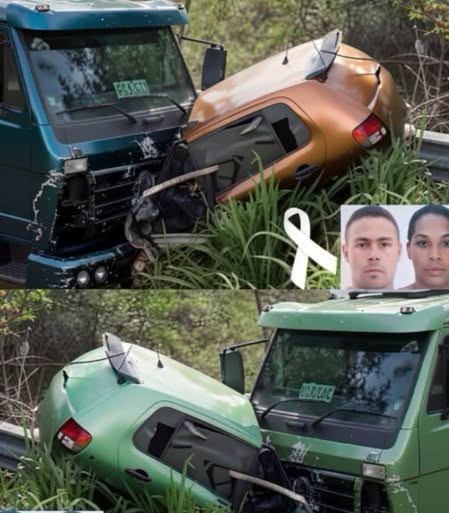
Twelve Young Lives Lost: The Nuporanga Bus-Truck Collision and Its Impact
Twelve promising futures were cut short in mere seconds, leaving the community of Nuporanga enveloped in grief and uncertainty. The quiet, rural road where the accident occurred has become a site of mourning and unanswered questions. Emergency sirens, twisted metal, and sorrow mark the aftermath, as families, local authorities, and the broader public seek explanations. With the driver in custody, a university shattered by the loss of its students, and a state calling for accountability, there is a shared search for meaning and responsibility in the wake of tragedy.
The Incident: What Happened Near Nuporanga?
On a recent morning, a bus transporting university students collided with a truck near Nuporanga, resulting in the deaths of twelve young adults and injuring numerous others. According to preliminary reports from authorities, the crash occurred along a stretch of highway known for its heavy traffic and transport activity. The exact circumstances leading to the collision remain under investigation, but initial statements suggest either driver error, mechanical malfunction, or potential issues with road infrastructure could have played a role.
Witnesses described horrific scenes of the bus and truck wreckage, the rapid response of medical teams, and the overwhelming shock that permeated the area. The identities of the victims were gradually confirmed by local officials and the university’s administration, each notification bringing waves of grief across the community and campus.
Immediate Response: Emergency Services and Law Enforcement
Emergency response teams arrived promptly at the scene, providing medical care and transportation to nearby hospitals for those injured. Local police secured the area for investigative purposes and began gathering evidence and witness statements. The driver of the truck was reportedly taken into custody for questioning, pending further review of the circumstances and their potential accountability.
Authorities stressed the complexity of the investigation, reiterating their commitment to transparency and procedural integrity. Initial data from traffic cameras, road sensors, and eyewitnesses were being analyzed to establish a timeline and possible causes. The families of victims were offered psychological support and regular updates as the investigation unfolded.
The Grief of a Community and University
The loss reverberated through Nuporanga and the affected university, uniting faculty, students, and residents in collective mourning. Memorial events and vigils were organized to honor the memory of the twelve students, whose aspirations and potential touched many lives. Classes were suspended as the university provided counseling services and established a support fund for the impacted families.
Local authorities and university leaders expressed their condolences and promised to advocate for improved transportation safety measures. The tragedy prompted discussions on mental health resources, grief support, and the responsibilities of institutions in protecting their members during travel.
Authorities and the Search for Accountability
Investigators scrutinized factors leading to the collision, including the mechanical condition of both vehicles, the qualifications and alertness of drivers, and maintenance records. Regulatory agencies reviewed compliance with safety and traffic protocols, stressing the need for thorough oversight in public transportation of students. The driver’s legal status, history, and conduct were integral points in the inquiry, as was the potential for systemic failures in road management or vehicle upkeep.
State officials called for a comprehensive safety audit of all student transport routes. Recommendations included improvements to road signage, explicit speed limits, enhanced driver training, and regular technical inspections of vehicles tasked with carrying school children and university students.
Safety Concerns and Wider Context
The incident highlighted broader issues of road safety in Brazil and similar countries, where high rates of accidents involving buses and commercial vehicles are a persistent concern. According to the World Health Organization, over 1.35 million people die each year in road traffic crashes globally, and young adults are disproportionately affected. These tragic events reinforce the urgent need for robust safety regulations, proper vehicle maintenance, and systematic monitoring of drivers.
Brazil’s National Traffic Department (DENATRAN) has launched various initiatives to reduce accidents, but challenges remain in enforcement, infrastructure, and public awareness. The Nuporanga tragedy has renewed calls for increased funding for road safety programs, technological upgrades to vehicles, and stricter penalties for violations.
Expert Views on Road Safety
Transport safety analysts and academics, interviewed by national and international media outlets, emphasized that bus and truck collisions often stem from combined factors: inadequate infrastructure, insufficient driver training, fatigue, faulty equipment, and lack of periodic safety assessments. Experts recommended that universities partner with certified transport companies, prioritizing vehicle age and condition, mandatory rest periods for drivers, and use of advanced safety features such as GPS tracking and electronic stability controls.
In conversation with the BBC and Reuters, public health specialists highlighted the psychological toll borne by survivors and families, urging institutions and governments to expand access to mental health and trauma support. The role of the state in ensuring robust oversight of student transport services was underscored, along with advocacy for public awareness campaigns on safety risks and best practices.
International and Societal Reaction
The tragedy attracted attention from global organizations concerned with road safety, such as the World Health Organization and the International Road Transport Union. Statements of sympathy and solidarity poured in from university partners in other countries, as well as from student associations and road safety organizations. Social media platforms became spaces for public condolences, advocacy, and sharing of personal stories related to traffic incidents and their impact on families.
Several governments and universities abroad sent messages of support and offered collaborative exchange programs focused on transportation safety and crisis management. The international community emphasized the need for vigilance in ensuring young people’s safe travel to and from schools and universities worldwide.
The Ongoing Investigation and Policy Responses
As the formal investigation continues, authorities have urged patience and restraint in speculation, emphasizing that all findings will be disclosed and appropriate measures taken. Early policy responses have included emergency inspections of student transport vehicles, stricter enforcement of traffic laws, and expansion of safety campaigns targeting drivers of buses and trucks.
Legislative proposals were swiftly drafted, calling for improved coordination between schools, universities, transport providers, and regulatory agencies. The focus has shifted to adopting best practices from internationally recognized models for road safety and student transport, including standardized vetting of drivers, installation of advanced data logging systems, and routine public reporting of vehicle safety records.
Looking Ahead: Lessons and Commitments
The loss near Nuporanga stands as a painful reminder of the need for unrelenting vigilance and improvement in transport safety. It has galvanized efforts by community leaders, policymakers, educators, and international advisors to create a safer environment for young people. The tragedy’s enduring legacy may be found in reforms, educational campaigns, and partnerships aimed at preventing further such incidents.
The aftermath is marked by profound grief but also by determination to honor the memory of those lost through positive change. The incident has underscored the crucial importance of institutional responsibility, governmental oversight, and shared community commitment to safeguarding the next generation.
Conclusion
As families and communities continue to mourn the twelve students, the Nuporanga bus-truck collision has become a touchstone for national debates around safety, accountability, and public wellbeing. The call for answers resonates not only in Nuporanga, but across Brazil and the globe. Through ongoing investigations, policy reforms, and the compassionate response of society, efforts are underway to ensure such tragedies spur enduring improvements and greater protection for future generations.
Sources
- Reuters
- BBC
- Al Jazeera
- World Health Organization
- Centers for Disease Control and Prevention
- The Guardian
Disclaimer: This content is intended for entertainment purposes only and is not based on real events.