
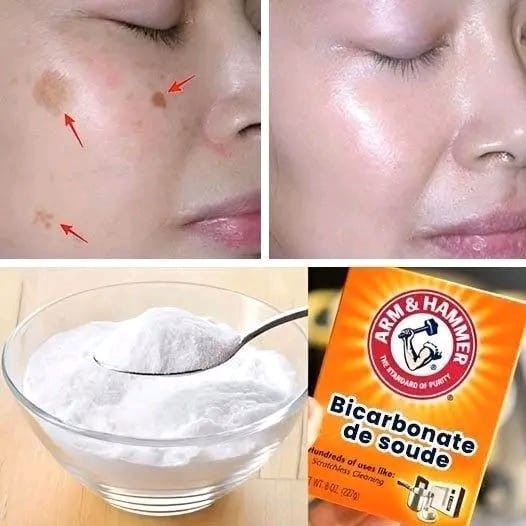
4 Ways to Erase Age Spots with Baking Soda for Younger, More Even Skin

Understanding Age Spots: Causes and Concerns
Age spots, also referred to as dark spots or hyperpigmentation, are brown, flat marks that often develop on areas of the skin frequently exposed to sunlight. These include the face, hands, arms, and shoulders. While most age spots are harmless and part of the natural aging process, they can be a cosmetic concern for many who are seeking an even, youthful complexion.
Age spots most commonly arise due to increased melanin production—a result of ultraviolet (UV) exposure, hormonal changes, inflammation, or simply the cumulative effects of getting older. According to dermatologists, sun protection remains the best defense, but for existing spots, many people turn to topical treatments, exfoliants, and natural remedies to improve their skin tone.
What is Baking Soda?
Baking soda, or sodium bicarbonate, is a white, odorless powder widely known for its versatility in household cleaning and baking. In recent years, it has also become popular in DIY beauty routines due to its gentle abrasive and alkaline properties. Its ability to dissolve away impurities and dead skin cells makes it an appealing option for those seeking natural solutions.
The Science Behind Baking Soda and Skin Exfoliation
Baking soda’s exfoliating effect is grounded in its mild abrasiveness. When gently massaged onto the skin, it helps slough off dead skin cells, which can contribute to a dull or uneven appearance. This process promotes the renewal of healthy skin cells, making the complexion look more uniform and radiant.
Furthermore, the alkaline nature of baking soda may help neutralize acidic residue on the skin, which is often linked to inflammation and irritation. However, experts advise caution: while baking soda can be effective for superficial exfoliation, excessive use can disrupt the skin’s natural pH balance. It is important to follow proper usage guidelines, as the skin’s mildly acidic mantle is a barrier against bacteria and irritants.
Baking Soda for Age Spots: How It Works
The effectiveness of baking soda in fading age spots is mainly attributed to its exfoliating properties. By regularly removing dead, pigmented skin cells, new cells come to the surface, gradually reducing the appearance of discoloration. This can result in a smoother, more evenly toned complexion.
- Gentle Exfoliation: Baking soda acts as a physical exfoliant by breaking down dead skin cells, supporting cell turnover and limiting pigment accumulation.
- Balancing Skin Tone: When used appropriately, baking soda can help lighten dark patches and improve overall skin tone.
- Accessibility: As an inexpensive and widely available ingredient, baking soda is a natural choice for those seeking a low-cost skincare solution.
Four Effective Methods to Use Baking Soda for Age Spots
There are several ways to incorporate baking soda into your skincare routine. Here are four methods, each described with expert guidance to maximize benefits and minimize potential risks:
1. Simple Baking Soda Paste
This basic method involves mixing baking soda with water to form a paste. Apply the paste to the affected areas, massage gently for 1-2 minutes, then rinse thoroughly. This helps remove dead skin cells and gradually fades age spots.
- Mix 1 teaspoon of baking soda with enough water to create a smooth paste.
- Apply to clean skin, focusing on age spots.
- Rinse off after a short massage to avoid irritation.
- Limit use to 1-2 times per week.
Dermatologists recommend using this approach moderately, as overuse may dry out or irritate sensitive skin.
2. Baking Soda and Lemon Juice
Lemon juice contains citric acid, a natural skin lightener and exfoliant. For enhanced pigmentation reduction, mix a few drops of lemon juice with baking soda. Apply to affected areas, leave for 1 minute, then rinse well. Use caution, as both ingredients may irritate sensitive skin. Patch testing is recommended.
- Combine 1 teaspoon baking soda and a few drops of fresh lemon juice.
- Apply briefly, avoiding excessive rubbing.
- Rinse thoroughly and use sunscreen after treatment.
Experts suggest avoiding sun exposure immediately after this treatment, as lemon juice increases photosensitivity.
3. Baking Soda and Honey Mixture
For those with dry or sensitive skin, honey can be added to baking soda. Honey offers soothing and hydrating properties while baking soda exfoliates. This duo gently fades pigmentation and leaves skin nourished.
- Mix equal parts baking soda and honey to form a paste.
- Massage onto pigmented spots.
- Rinse after 2 minutes for a gentle exfoliation.
Honey helps counteract the drying effect of baking soda and provides antioxidants for skin health.
4. Baking Soda and Olive Oil
Olive oil is rich in vitamins and healthy fats that moisturize and protect the skin. Combining baking soda and olive oil helps exfoliate and hydrate simultaneously, making this approach ideal for mature or dry skin types.
- Blend 1 teaspoon baking soda with a few drops of olive oil.
- Apply to age spots with gentle massage.
- Rinse after 1-2 minutes.
According to skincare professionals, olive oil offers additional protection against further sun-induced damage.
Expert Insights: Safety and Limitations
While baking soda’s exfoliating benefits are well recognized, dermatologists emphasize the importance of moderation and proper technique. The American Academy of Dermatology (AAD) warns that excessive mechanical exfoliation or frequent use of alkaline products can compromise the skin’s natural barrier, leading to increased sensitivity or irritation.
Patch testing before widespread application is essential, especially for those with pre-existing skin conditions or allergies. If irritation, redness, or discomfort occurs, discontinue use and seek alternative remedies.
For persistent or severe age spots, professional treatments such as chemical peels, laser therapies, and retinoids may offer more predictable results. Consulting with a qualified dermatologist ensures the best approach tailored to individual skin needs.
Global Views on Natural Remedies for Skin Care
The use of natural ingredients like baking soda for skin care is widespread in many cultures. In Europe and North America, baking soda is included in home remedies and commercial exfoliants. In Asia, rice bran or turmeric may be preferred, reflecting regional traditions and available substances.
International health organizations, such as the World Health Organization (WHO), stress the importance of accessible, safe skincare. While home treatments like baking soda can provide benefits for mild skin issues, sun protection, proper hygiene, and balanced nutrition are foundational for healthy skin worldwide.
Preventing Age Spots: Long-Term Strategies
While baking soda can be used to fade existing pigmentation, prevention is key. The following strategies are recommended:
- Consistent use of broad-spectrum sunscreen (SPF 30+), even during cloudy weather.
- Avoid prolonged sun exposure, especially during peak hours (10 a.m. to 4 p.m.).
- Wear protective clothing, hats, and sunglasses.
- Maintain a balanced diet rich in antioxidants and vitamins.
- Follow a gentle skincare routine tailored to individual needs.
These measures help minimize future pigmentation and support overall skin health.
Societal Reactions and Natural Beauty Trends
The trend toward natural, simple beauty treatments continues to grow. Social media, blogs, and wellness websites often highlight baking soda as a cost-effective, eco-friendly option. However, experts caution against unsupervised experimentation; consulting reliable sources and health professionals is crucial.
Market surveys reveal increasing consumer interest in non-toxic, ingredient-transparent skincare products. Manufacturers respond by incorporating baking soda and similar natural elements into exfoliants, masks, and cleansers, catering to demands for gentle yet effective solutions.
Conclusion: Baking Soda as a Beauty Ally
Baking soda provides a practical, accessible method to help fade age spots and achieve a more even complexion. When used responsibly and in moderation, its exfoliating properties can support skin renewal and enhance overall tone. However, safety must come first; seeking expert advice and combining home treatments with comprehensive prevention strategies ensures the best results for long-term skin health.
As the pursuit of natural beauty gains momentum, baking soda remains a trusted, time-tested ally—valued for its simplicity, affordability, and effectiveness in everyday skincare routines.
Sources
Disclaimer: This content is intended for entertainment purposes only and is not based on real events.