

Discover These Simple Home Tricks That Could Help Make Your Space Less Appealing to Spiders
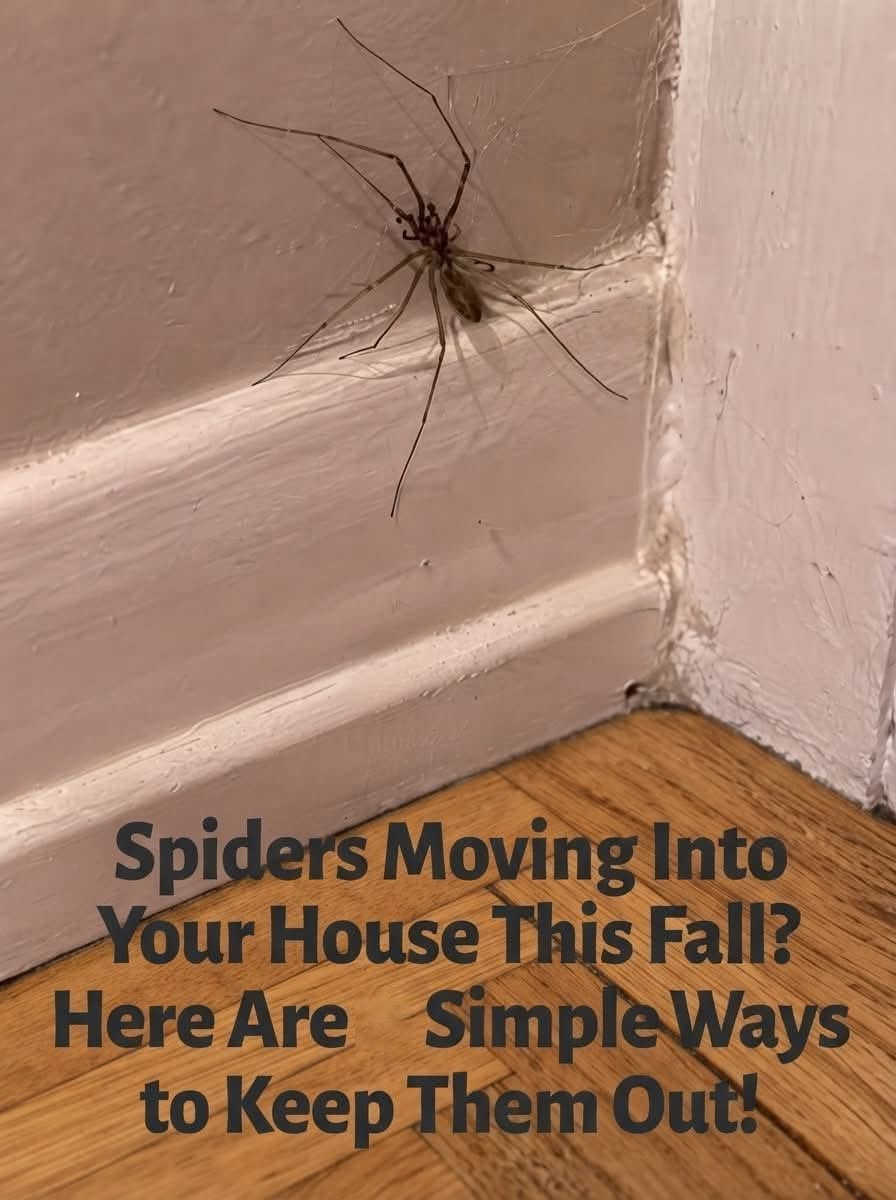
As temperatures begin to fall, many homeowners notice more spiders indoors. A quiet corner, storage area, basement, garage, or window frame can offer shelter from changing outdoor conditions. While finding a spider inside the home may be unsettling, most household spiders are not aggressive and are more interested in finding food, cover, and a stable environment than interacting with people.
The good news is that preventing spiders from entering a home does not usually require harsh sprays. The most reliable approach is to make the property less welcoming to both spiders and the insects they eat. Simple maintenance, careful cleaning, sealing small gaps, and managing outdoor vegetation can all play an important role in reducing spider activity.
Natural scents such as peppermint, citrus, vinegar, and cedar are often promoted as household spider repellents. However, the scientific evidence behind many of these remedies is limited. Some essential oils may affect spider behavior in controlled settings, but they are not a dependable replacement for physical exclusion and integrated pest management. Understanding what works, what is uncertain, and when professional help may be useful can help households choose safer and more effective solutions.
Why Spiders Enter Homes During Cooler Weather
Spiders can be found indoors at any time of year, but seasonal changes may make them more noticeable. As outdoor temperatures decline, some species may move into protected spaces such as sheds, garages, crawl spaces, attics, and homes. Indoor environments can provide relatively stable temperatures, fewer weather extremes, and access to prey.
It is also important to remember that spiders do not enter homes solely because of cold weather. Many species naturally live in or around buildings throughout the year. They may establish themselves where there are insects to eat, places to build webs, and undisturbed spaces in which to hide. Areas with clutter, cardboard boxes, stacked firewood, cracks around windows, or infrequently cleaned corners can create favorable conditions.
Spiders are predators. Their presence can sometimes indicate that other small insects are available indoors. Flies, moths, ants, mosquitoes, and other arthropods may attract spiders because they provide a food source. As a result, reducing the insect activity around a home is one of the most practical ways to reduce spider activity as well.
Start With Sealing Entry Points
Physical exclusion is among the most effective and long-lasting ways to limit spiders and other household pests. Spiders can enter through surprisingly small openings around doors, windows, utility lines, vents, foundations, and damaged screens. A careful inspection of the exterior and interior of the home can reveal areas that need attention.
Begin by checking door sweeps and weatherstripping. A gap beneath an exterior door can provide access for insects and spiders. Replacing worn door sweeps and adding weatherstripping around frames may improve both pest prevention and energy efficiency. Make sure window screens fit tightly and repair any holes or tears.
Caulk can be used to seal narrow cracks around window frames, pipes, cables, and gaps in exterior walls. Larger openings may require appropriate materials such as mesh, foam designed for pest exclusion, or professional repair. Vent openings should be protected with intact screens that allow airflow while reducing access for pests.
Homeowners should take care not to block necessary ventilation or interfere with electrical, gas, plumbing, or drainage systems. If a gap is near a utility installation or structural issue, it may be sensible to consult a qualified professional.
Reduce Clutter in Quiet, Undisturbed Areas
Spiders often prefer areas with limited activity. Basements, attics, closets, garages, under-furniture spaces, and storage rooms may offer shelter, particularly when they contain stacks of boxes, fabrics, paper, or unused items. Regular tidying does not guarantee a spider-free home, but it can reduce the number of hiding places available.
Store seasonal belongings in sealed plastic containers rather than open cardboard boxes where possible. Cardboard can create sheltered crevices and may also retain moisture in some environments. Keep stored items slightly away from walls if practical, making it easier to inspect and clean behind them.
Vacuuming is another useful step. Focus on corners, baseboards, behind furniture, beneath beds, ceiling edges, and storage areas. Vacuuming can remove webs, egg sacs, and insects that may attract spiders. Dispose of vacuum contents promptly according to the appliance manufacturer’s instructions, especially after cleaning areas with visible spider activity.
When moving rarely used items, wear gloves and avoid placing hands into dark or concealed spaces without looking. This is sensible general household safety, particularly in regions where medically significant spider species are known to occur.
Control the Insects That Attract Spiders
Because spiders depend on prey, insect management is central to spider prevention. A home with fewer flies, moths, ants, and other insects may be less appealing to spiders over time. This does not necessarily mean using pesticides. Many preventive measures are based on sanitation, maintenance, and reducing access to food and light.
Keep food stored in sealed containers and clean up crumbs, spills, and pet food residue. Empty indoor rubbish regularly and use bins with secure lids. Repair leaking pipes and address excess moisture, since damp conditions can support certain insects and other pests. Bathrooms, kitchens, basements, and laundry rooms deserve particular attention.
Outdoor lighting can also influence insect activity. Many flying insects gather around bright exterior lights at night, which can create hunting opportunities for spiders near doors and windows. Consider using motion-activated lighting where suitable, directing lights away from entrances, or selecting warmer-toned bulbs that may attract fewer insects than some cooler white lights. Lighting choices vary by setting, and no bulb eliminates insect attraction completely.
Clean window sills, remove dead insects near light fixtures, and keep screens in good condition. If flies, ants, cockroaches, or other pests are persistent, identifying and addressing their source can have a greater impact than focusing only on spiders.
Maintain the Outdoor Area Around the Home
Outdoor maintenance can reduce the likelihood that spiders and insects will gather immediately next to the building. Trim shrubs, climbing plants, and tree branches so they do not touch siding, roofs, windows, or doors. Vegetation in direct contact with a structure can create a bridge for a range of pests.
Move firewood piles, lumber, garden debris, and stored materials away from the foundation when possible. These locations can provide shelter for spiders and insects. Firewood is best stored off the ground in a dry location, and logs should be brought indoors only when they are ready to be used. Before carrying items inside, inspect them carefully.
Clear leaf litter, excess mulch, and accumulated debris from around the foundation. Good drainage is also valuable. Standing water and persistently damp areas can support insects, while moisture problems may contribute to broader property maintenance concerns.
These measures do not require a perfectly bare garden. Landscaping can still support wildlife and pollinators while being maintained with a sensible buffer between dense vegetation and the house.
Do Peppermint, Citrus, Vinegar, and Cedar Repel Spiders?
Natural remedies are popular because they seem simple, inexpensive, and less harsh than conventional pest-control products. Peppermint oil, citrus peel, vinegar sprays, and cedar products are frequently mentioned in household advice. However, homeowners should be cautious about treating these options as proven solutions.
Research on essential oils and spiders is still limited, and laboratory findings do not always translate into consistent results in a real home. Strong odors may temporarily discourage some arthropods in certain conditions, but they do not seal gaps, remove prey, or prevent spiders from returning through another route. A scent-based remedy may therefore provide only limited or short-lived results.
Vinegar is sometimes suggested as a spray, but it can damage or dull certain surfaces and should not be mixed with other cleaning products. In particular, vinegar should never be combined with bleach or products containing bleach because hazardous gases can be produced. Citrus oils and essential oils can also affect finishes, fabrics, and painted surfaces.
Essential oils should be used with care around children, pets, and people with sensitivities. Concentrated oils can irritate skin and eyes, and some may be harmful if ingested. Cats, dogs, birds, and other animals can react differently to fragranced products. Before using any essential oil, follow product instructions and speak with a veterinarian or healthcare professional when there are concerns about household safety.
Cedar blocks or cedar-lined storage products may have a pleasant scent and can be useful for organizing stored items, but they should not be viewed as a stand-alone spider-control method. The most dependable strategy remains prevention through exclusion, cleaning, and insect control.
A Practical Low-Chemical Spider Prevention Routine
A manageable routine can make prevention feel less overwhelming. Start with a monthly inspection of door frames, window screens, utility openings, and garage doors. Repair new gaps early, before they become larger maintenance issues. Vacuum quiet corners and storage areas regularly, especially during seasons when spider activity is more noticeable.
In kitchens and dining spaces, clean food residue promptly and keep dry goods sealed. In bathrooms and basements, address leaks, condensation, and moisture. Outdoors, trim plants away from the building and remove debris near the foundation. These steps support broader pest prevention and can improve the overall condition of the property.
If a spider is found indoors, a calm approach is often sufficient. In many cases, it can be removed using a cup and a piece of stiff paper, then released outdoors away from the home. Avoid handling an unidentified spider directly. If an infestation is suspected or spiders are appearing frequently despite preventive measures, a licensed pest management professional can assess the property and recommend targeted options.
When to Seek Professional Pest Control Advice
Professional assistance may be appropriate when there is repeated spider activity, extensive webbing, a known concern about medically important species in the local area, or signs of another pest problem that may be providing a food source. Pest management professionals can inspect likely entry points, identify contributing conditions, and recommend an integrated plan rather than relying solely on broad chemical treatment.
Integrated pest management emphasizes prevention, monitoring, sanitation, exclusion, and targeted treatment only when necessary. This approach can reduce unnecessary pesticide exposure while addressing the conditions that allow pests to persist. Ask any service provider about the products they propose, where they will be used, what precautions are needed, and whether non-chemical measures have been considered.
Making a Home Less Appealing to Spiders
Keeping spiders outside is usually less about finding one powerful fragrance and more about changing the conditions that make indoor spaces attractive. Seal cracks, repair screens, reduce clutter, clean regularly, manage moisture, and limit insects around the home. These practical steps are generally more reliable than unverified home remedies and can support a cleaner, more comfortable living environment.
Most spiders play an important ecological role outdoors by feeding on insects. A balanced approach recognizes that they are part of the natural environment while still helping homeowners set reasonable boundaries inside their living spaces. With consistent maintenance and careful prevention, households can reduce unwanted indoor encounters without depending immediately on harsh sprays.
Sources
Disclaimer: This content is intended for entertainment purposes only and is not based on real events.