
What Does a Purple Flag at the Beach Mean?
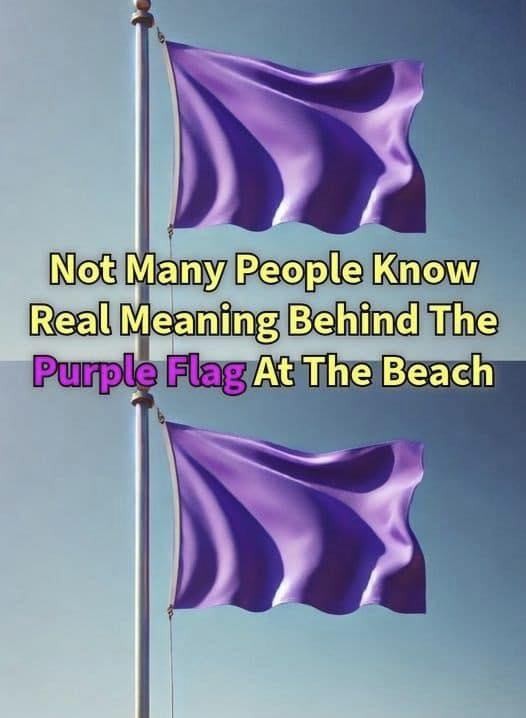
A purple flag at the beach is an important safety signal for swimmers, surfers, families, and anyone spending time near the shoreline. It is not simply a decorative flag, and it does not necessarily mean the beach is closed. Instead, it usually alerts visitors that potentially hazardous marine life has been observed in the water or nearby surf zone.
Beach warning flags provide a quick visual guide to changing coastal conditions. Many visitors recognize green, yellow, and red flags as indicators of surf and water hazards. A purple flag communicates a different type of concern: the possible presence of marine animals that could cause injury if people come into contact with them.
Understanding this warning can help beachgoers make informed decisions. The aim is not to create fear about the ocean, but to encourage awareness, preparation, and respect for local safety guidance. Because beach flag systems and conditions can vary by region, the most reliable source of information is always the lifeguard service or local beach authority at the location being visited.
What a Purple Flag Usually Means
In many coastal areas of the United States, including beaches that follow guidance associated with the United States Lifesaving Association, a purple flag indicates that dangerous marine pests are present. The phrase may sound broad, but it generally refers to marine life that can sting, puncture, irritate, or otherwise harm a person who touches it or accidentally steps on it.
Examples may include jellyfish, Portuguese man o’ war, stingrays, and occasionally other locally significant species. The exact concern depends on the beach, season, water temperature, currents, winds, and reports from lifeguards or visitors. A purple flag does not identify a specific animal in every case, so people should ask lifeguards what has been seen and where it has been observed.
It is important to distinguish a purple flag from a water-closure notice. A beach may remain open for swimming while a purple flag is flying. Lifeguards and local authorities may determine that the risk can be managed through caution, monitoring, and public information. However, conditions can change quickly. If officials issue additional warnings, restrict swimming, or close the water, visitors should follow those instructions immediately.
Beach Flag Meanings Can Vary by Location
There is no single worldwide beach-flag system used identically at every coastline. While many U.S. beaches use a purple flag for hazardous marine life, the wording, color combinations, and operational rules may differ between states, counties, cities, parks, and countries. Some beaches use posted signs, electronic boards, daily hazard reports, or lifeguard announcements alongside flags.
For that reason, travelers should avoid assuming that a flag has precisely the same meaning everywhere. Before going into the water, check the signboard at the beach entrance, the local government website, or a lifeguard station. This is especially valuable for visitors who are unfamiliar with regional conditions, including tourists and families visiting coastal destinations for the first time.
Many beaches use a broader system in which green generally represents lower hazard conditions, yellow signals moderate surf or currents, and red warns of high hazards. A double-red warning is commonly used in some jurisdictions to indicate that the water is closed to the public. Purple may be flown alone or together with another flag. If a purple flag appears with a red or yellow flag, beachgoers should consider both messages: marine-life concerns may be present alongside rough surf, strong currents, or other water risks.
Marine Life Commonly Associated With Purple Flag Warnings
Jellyfish and Portuguese Man o’ War
Jellyfish are among the marine animals most often associated with purple flag advisories. Their tentacles contain specialized cells that can release venom when touched. Reactions vary considerably. Some people experience mild pain, redness, itching, or irritation, while others may have more significant symptoms. The type of jellyfish and the person’s individual sensitivity both matter.
Portuguese man o’ war are not true jellyfish, although they are often grouped with them in public beach guidance because they can cause painful stings. They may float at the surface and can be carried toward shore by wind and currents. Even stranded organisms or detached tentacles should not be handled, as they may still be capable of stinging.
Beachgoers should not touch marine animals or unidentified objects in the water, even if they appear inactive. Children should be reminded of this rule before playing near washed-up sea life. Lifeguards or beach management staff may be able to identify hazards and explain whether a recent increase in jellyfish has affected a particular section of beach.
Stingrays in Shallow Water
Stingrays are another reason a purple flag may be raised in coastal areas. These animals often rest or feed in shallow sandy water, sometimes close to the shore. Stingray injuries commonly happen when a person accidentally steps on an animal that is partly covered by sand. The stingray may react defensively, rather than aggressively.
A widely recommended precaution is the “stingray shuffle.” Rather than lifting the feet and taking normal steps, people entering shallow water can slide or shuffle their feet along the sandy bottom. This movement may alert a stingray to the person’s approach and give it an opportunity to move away. It is a simple measure, but it cannot eliminate every risk.
People should also avoid placing hands or feet into places they cannot see, such as around rocks, underwater ledges, or seagrass beds. Looking carefully before sitting or kneeling in shallow water is another sensible habit, especially in locations where lifeguards have reported marine-life activity.
How to Respond When You See a Purple Flag
A purple flag is best treated as a prompt to pause, gather information, and adjust plans if needed. The following actions can help visitors make safer decisions:
- Speak with a lifeguard: Ask what type of marine life has been reported, whether sightings are concentrated in a specific area, and whether conditions are changing.
- Read local signs: Posted notices may provide details about current hazards, first-aid stations, water restrictions, and emergency contacts.
- Supervise children closely: Children may not recognize washed-up organisms, warning flags, changing surf, or the importance of staying within designated swimming areas.
- Avoid touching marine life: Do not pick up jellyfish, Portuguese man o’ war, stingrays, shells containing unknown animals, or other unfamiliar creatures.
- Choose a guarded beach: Lifeguarded areas offer trained personnel who monitor water conditions and can respond more quickly if an incident occurs.
- Consider staying out of the water: People with concerns about stings, those traveling with young children, or anyone unable to access prompt assistance may decide that swimming is not worthwhile that day.
Protective clothing may be useful in certain circumstances. A rash guard, wetsuit, or other full-coverage swimwear can reduce the amount of exposed skin, but it is not a guarantee against stings. Protection depends on the garment, the animal involved, and the nature of the contact. It should never replace attention to posted warnings or lifeguard guidance.
What to Do After a Sting or Marine-Life Injury
If someone is stung or injured, they should leave the water carefully and notify a lifeguard or seek medical help. Lifeguards are trained to assess local marine hazards and apply appropriate first aid within their scope of practice. Their advice is particularly important because recommended treatment can differ depending on the species involved and local protocols.
For jellyfish-related stings, do not rely on internet myths or unverified home remedies. The American Red Cross advises following local lifeguard instructions, avoiding rubbing the area, and carefully removing visible tentacles only when it is safe to do so. Some traditional remedies, including urinating on a sting, are not recommended and may worsen irritation or delay proper care.
Emergency help should be sought promptly if a person has trouble breathing, chest discomfort, widespread hives, faintness, severe pain, vomiting, confusion, or signs of a serious allergic reaction. Medical evaluation is also appropriate for significant stingray injuries, deep puncture wounds, injuries involving the face or eyes, or symptoms that do not improve.
A basic beach first-aid kit can be useful for minor issues, but it should not encourage people to manage serious injuries alone. At a minimum, visitors should know where the nearest lifeguard station is, carry a charged phone when practical, and understand the local emergency number. In the United States, that number is generally 911.
Why Marine-Life Warnings Change From Day to Day
Marine conditions are dynamic. Wind direction, tides, currents, rainfall, water temperature, seasonal migrations, and offshore weather can all influence what is present near the coast. Jellyfish and Portuguese man o’ war may be pushed toward shore by winds and currents. Stingray activity may vary with water temperature, food availability, and local habitat.
This changing environment explains why a beach can appear calm while still displaying a purple warning flag. Clear skies and gentle waves do not always reveal what may be in the water. Conversely, a purple flag raised in the morning may be lowered later if lifeguards determine that the reported hazard has decreased. Checking conditions each time you visit is more reliable than relying on what was true the day before.
Public beach warning systems are part of a broader approach to coastal safety. They allow trained professionals to share timely information with a large number of people using a simple, visible signal. Their effectiveness depends on visitors recognizing the flags, taking them seriously, and asking questions when they are unsure.
Enjoying the Ocean With Awareness and Respect
The ocean is a shared natural environment, not a controlled swimming pool. Marine animals are an ordinary part of healthy coastal ecosystems, and most do not seek contact with people. Responsible beach behavior means giving wildlife space, avoiding disturbance, and accepting that conditions sometimes call for extra caution or a change of plans.
A purple flag should therefore be understood as useful information rather than a reason for panic. It signals that beachgoers should stay alert, follow the instructions of professionals, and take practical steps to reduce avoidable risks. For some visitors, that may mean swimming cautiously in a guarded area. For others, it may mean enjoying the sand, shoreline, or another activity until conditions improve.
Before entering the water, look for the flags, check with lifeguards, watch children carefully, and remain aware of changing conditions. These habits support safer beach visits while allowing people to appreciate the coast with confidence and respect for the marine environment.
Sources
- United States Lifesaving Association: Beach Safety and Warning Flags
- American Red Cross: Jellyfish Sting First Aid
- Centers for Disease Control and Prevention: Outdoor Safety Resources
- National Ocean Service, NOAA: Jellyfish Facts
- Florida Fish and Wildlife Conservation Commission: Stingray Information
Disclaimer: This content is intended for entertainment purposes only and is not based on real events.