Fish Eyes on the Soles of the Feet: Plantar Warts, Calluses, and Care
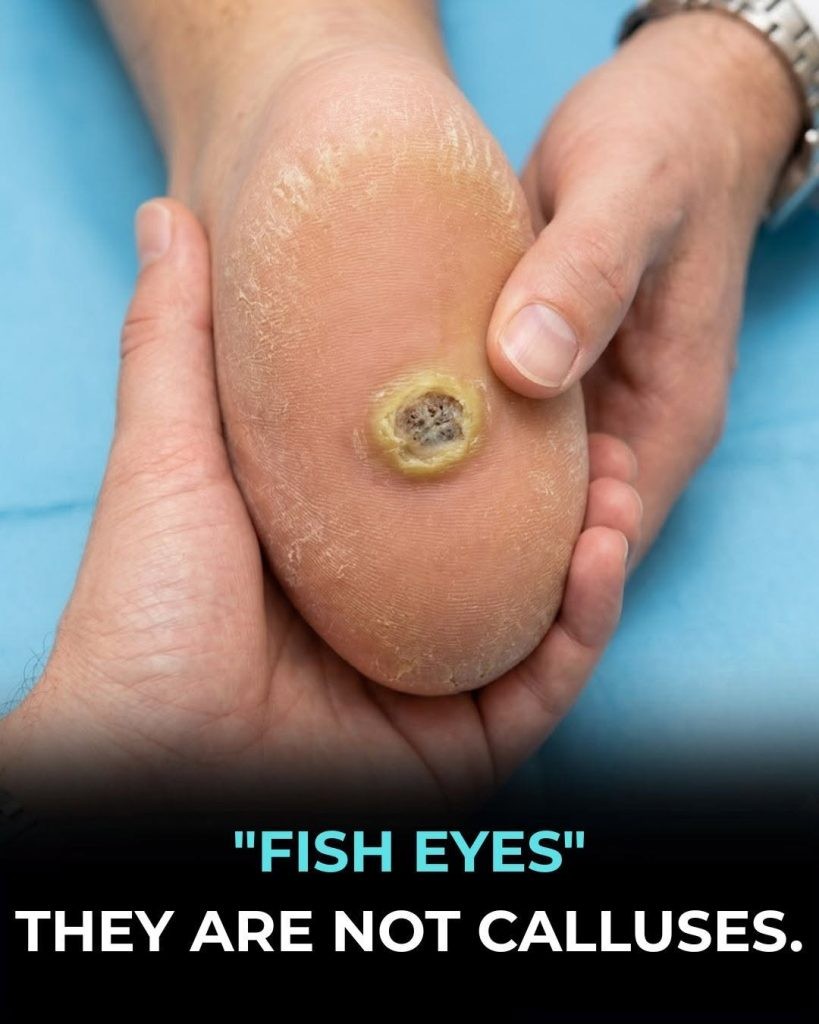
Small, rough, circular spots on the bottom of the feet are sometimes called “fish eyes” because of their appearance. The informal term may describe several different skin changes, including a plantar wart, a callus, or a corn. Although these conditions can look alike at first glance, they have different causes and may require different approaches to care.
Plantar warts are a common possibility when a rough spot develops on the heel, ball of the foot, or another weight-bearing area. They are caused by certain types of human papillomavirus, commonly known as HPV. In contrast, calluses and corns are not viral infections. They usually form when the skin responds to repeated friction or pressure from footwear, walking patterns, sports, or foot structure.
Most plantar warts are not dangerous, but they can be uncomfortable and may spread to nearby skin or, less commonly, to another person. Knowing the typical signs of a plantar wart, understanding how it differs from a callus, and recognizing when professional advice is needed can help people make informed decisions about foot care.
What Is a Plantar Wart?
A plantar wart is a noncancerous skin growth that appears on the sole of the foot. The word “plantar” refers to the bottom surface of the foot. These warts develop after HPV enters the outer layer of skin through a small break, such as a tiny cut, crack, scratch, or area softened by moisture.
HPV is a large group of viruses. The types associated with common and plantar warts are generally different from the types discussed in relation to certain other HPV-related health conditions. The strains that cause plantar warts typically remain in the outer skin layers and cause localized changes in skin-cell growth.
Once the virus enters the skin, it can stimulate cells to multiply more quickly than usual. This may produce a firm, grainy, thickened area. On the sole of the foot, body weight and the pressure of walking can press the lesion inward rather than allowing it to protrude outward. As a result, a plantar wart may look flat or only slightly raised, even though it can extend into the superficial skin layers.
Plantar warts do not have roots in the way plants do. The idea of “roots” is a common misconception. What some people interpret as roots may be thickened skin, small blood vessels, or the inward shape created by pressure on the sole. Attempting to dig deeply into the skin to remove a suspected wart can cause injury or infection and is not recommended.
Common Signs of a Plantar Wart
Plantar warts vary in size and appearance. Some remain small and isolated, while others enlarge gradually or appear in groups. A cluster of multiple plantar warts is sometimes called a mosaic wart. The following features may suggest a plantar wart rather than a simple pressure-related callus:
- A rough, grainy, or uneven patch of thickened skin on the sole.
- A round or oval lesion with a defined edge.
- Small dark pinpoints within the spot, sometimes called “wart seeds.” These are usually tiny clotted blood vessels, not seeds.
- Disruption of normal skin lines, which may curve around or stop at the lesion.
- Discomfort during walking or standing, sometimes described as feeling like there is a small pebble in the shoe.
- Pain when the lesion is squeezed gently from the sides, although pain patterns can vary.
A wart may not always be painful. Some people notice it only after seeing a rough spot while washing their feet or after a pedicure. Others seek help because persistent pressure makes walking uncomfortable, particularly when the wart is located beneath the heel or forefoot.
Plantar Warts vs. Calluses and Corns
Calluses, corns, and plantar warts can all create thickened skin, but they develop for different reasons. A callus is an area of skin that becomes thicker in response to repeated pressure or rubbing. It often appears on the ball of the foot, heel, or side of a toe. Ill-fitting shoes, high-impact activity, foot deformities, and changes in gait can all contribute.
Corns are more focused areas of thickened skin, often with a firm central core. They commonly occur on or between toes but can also develop on weight-bearing areas. Like calluses, corns are usually linked to mechanical pressure rather than infection.
One useful difference is the pattern of skin lines. Normal lines in the skin often continue across a callus, while a plantar wart may interrupt them. Plantar warts may also contain tiny black dots caused by small blood vessels. However, appearance alone is not always enough for a reliable diagnosis. A podiatrist, dermatologist, primary care clinician, or other qualified healthcare professional can assess a persistent lesion.
The location can provide clues but is not definitive. A callus often develops exactly where shoes or repetitive movement create friction. A plantar wart can also appear on pressure points, so location must be considered alongside texture, skin lines, symptoms, and how the spot changes over time.
How Do Plantar Warts Spread?
HPV that causes plantar warts can spread through direct skin contact or through contact with surfaces that have viral particles on them. The risk is higher when the skin is wet, softened, or has small breaks. Warm, damp environments such as communal showers, swimming-pool changing areas, locker rooms, and gym floors can provide conditions where exposure may occur.
Walking barefoot in shared wet areas may increase the chance of coming into contact with the virus, but exposure does not mean a wart will necessarily develop. Individual susceptibility differs. The condition may be more common in children and teenagers, whose immune systems may not have encountered the relevant HPV types before. Athletes and people who frequently use communal changing facilities may also have more opportunities for exposure.
People with weakened immune systems may have a greater likelihood of persistent, recurrent, or numerous warts. Anyone with an immune condition or who takes immune-suppressing medication should consider consulting a clinician before trying home treatments for a new or changing foot lesion.
How Long Do Plantar Warts Last?
Plantar warts can appear gradually. It may take weeks or months after exposure before a visible lesion develops. Their course is unpredictable: some go away without treatment as the immune system recognizes and responds to the virus, while others persist for a long time.
Spontaneous resolution is common, especially in children, but it can take months or sometimes longer. During that period, a wart may remain stable, become less noticeable, enlarge, or spread to adjacent areas. Treatment may be considered when a lesion causes pain, interferes with daily activity, multiplies, creates uncertainty about the diagnosis, or does not improve over time.
Over-the-Counter Options for Plantar Warts
Over-the-counter products containing salicylic acid are widely used for common and plantar warts. Salicylic acid works by gradually softening and removing layers of thickened skin. Products are available as liquids, gels, pads, and plasters in varying strengths designed for wart treatment.
Consistent use is important. Instructions vary by product, but treatment commonly involves soaking the foot, gently removing only loose dead skin with an appropriate disposable or dedicated tool, applying the medicine carefully to the wart, and protecting surrounding healthy skin. It may take several weeks of regular application before improvement is noticeable.
It is important not to use wart-removal products on skin that is broken, irritated, infected, or of uncertain diagnosis. People with diabetes, poor circulation, peripheral neuropathy, reduced sensation in the feet, or certain other medical conditions should not self-treat foot lesions with acid-based products unless a healthcare professional advises it. These conditions can make even minor skin injury more difficult to detect or heal.
Professional Treatment for Persistent Plantar Warts
If home care is unsuccessful or the diagnosis is unclear, a healthcare professional may recommend other options. Cryotherapy is one commonly used treatment. It involves applying extreme cold, often liquid nitrogen, to destroy wart tissue. More than one session may be needed, and the treated area can be temporarily sore or blistered afterward.
Clinicians may also consider prescription-strength topical medicines, carefully performed removal of thickened surface skin, or other treatments based on the patient’s age, health history, wart location, and response to earlier care. There is no single treatment that works immediately for every person. Plantar warts can be resistant because the sole is under constant pressure and has a thick outer skin layer.
Professional assessment is especially useful when a lesion is changing rapidly, painful, bleeding, spreading, or difficult to identify. Not every unusual spot on the foot is a wart or callus. A clinician can help rule out other skin conditions and recommend a suitable management plan.
When to Seek Medical Advice
Many rough spots on the feet are minor, but medical guidance is appropriate in several situations. Arrange an assessment if the area is painful enough to affect walking, becomes red or swollen, shows signs of infection, bleeds without a clear reason, changes in color or shape, or returns repeatedly after treatment.
People with diabetes should be particularly cautious about new foot lesions. Diabetes can affect circulation and sensation, increasing the risk that a small wound or irritation could become more serious. The same caution applies to people with reduced blood flow, nerve damage in the feet, immune suppression, or a history of foot ulcers.
It is also sensible to seek advice when self-care has not helped after following product instructions for an appropriate period. Repeated cutting, scraping, or picking at a suspected wart can spread the virus to nearby skin and may create an opening for bacterial infection.
Preventing Plantar Warts and Protecting Foot Health
It is not possible to prevent every plantar wart, but simple habits can reduce risk and support general foot health. Wear waterproof sandals or flip-flops in communal showers, pool changing rooms, and locker rooms. Keep feet clean and dry, and change socks regularly, especially after exercise.
Avoid sharing footwear, socks, towels, pumice stones, nail tools, or other personal items that touch the feet. If a plantar wart is present, avoid picking at it and wash hands after touching the area. Covering the lesion with a clean bandage or suitable dressing may help reduce direct contact, particularly in shared environments.
Well-fitting shoes can also help prevent calluses and corns by reducing unnecessary pressure and friction. Shoes should have enough room in the toe box and provide support suited to daily activities. For recurring calluses, a podiatrist may assess footwear, gait, foot shape, or the need for pressure-relieving inserts.
Key Takeaway: A “Fish Eye” May Need a Closer Look
A small rough spot on the sole of the foot may be a plantar wart, callus, corn, or another skin condition. Plantar warts are caused by HPV and may be identified by their grainy surface, interrupted skin lines, tiny dark dots, and discomfort under pressure. Calluses and corns are usually caused by friction or repeated mechanical pressure.
Most plantar warts are harmless, and some resolve without treatment. However, careful identification matters because treating a callus as a wart, or treating an uncertain lesion at home, may not address the underlying problem. Persistent, painful, spreading, or unusual spots should be evaluated by a qualified healthcare professional, particularly for people with diabetes, circulation problems, or reduced sensation in the feet.
Sources
Disclaimer: This content is intended for entertainment purposes only and is not based on real events.