


The History of Toilets
Toilets are so familiar in modern daily life that it can be easy to overlook their importance. Yet the history of toilets is closely connected to the history of cities, engineering, public health, clean water, and human dignity. The modern bathroom is not the result of one invention or one person’s work. It developed over thousands of years through changing habits, technological experimentation, and a growing understanding that safely managing human waste is essential for healthy communities.
Across the world, societies have created many ways to separate waste from homes and water supplies. Some early settlements used pits or simple drains. Others built communal facilities connected to water channels. Over time, the combination of indoor plumbing, reliable water supplies, sewer networks, wastewater treatment, and handwashing facilities transformed sanitation in many countries. However, access remains unequal: the World Health Organization and UNICEF continue to identify safe sanitation as a major global development and public-health priority.
Early Sanitation in Ancient Civilizations
The earliest sanitation systems were practical responses to a basic challenge: how could growing communities manage waste without contaminating homes, streets, or drinking water? Archaeological evidence shows that several ancient societies developed drainage features, cesspits, and designated toilet areas long before modern plumbing existed.
The cities of the Indus Valley Civilization, including Harappa and Mohenjo-daro in present-day Pakistan, are often cited for their sophisticated urban planning. Flourishing roughly between 2600 and 1900 BCE, these settlements included streets arranged in planned grids, brick-lined drains, wells, and bathing areas. Some homes appear to have had spaces linked to drains or soak pits, suggesting a serious effort to manage household wastewater and sanitation.
It is important not to assume that these systems worked exactly like modern toilets. Archaeologists must interpret physical remains carefully, and standards likely differed among homes and neighborhoods. Nevertheless, the Indus Valley evidence demonstrates that sanitation infrastructure was already a consideration in ancient urban design. Drainage was not merely an afterthought; it was built into the organization of many streets and houses.
Other ancient cultures also used toilets or waste-disposal systems. In Bronze Age Crete, for example, excavations at Knossos have revealed drainage arrangements sometimes associated with early flushing mechanisms. In ancient Egypt and Mesopotamia, households could use simple toilet seats positioned over containers or pits. These facilities varied greatly according to local materials, population density, water access, and social status.
Roman Toilets, Public Baths, and Urban Infrastructure
The Roman Empire is particularly well known for its approach to water and sanitation. Roman engineers built aqueducts to carry water to many towns and cities, while public baths, fountains, drains, and sewers became prominent parts of urban life. The best-known example is Rome’s Cloaca Maxima, an ancient drainage channel that was expanded over time and helped carry stormwater and waste away from parts of the city.
Roman public latrines were often communal rooms with rows of stone or wooden seats. Water ran through channels beneath or near the seating areas, helping move waste onward. These spaces served a practical purpose, but they were also social settings where people could speak with neighbors, conduct business, or simply spend time together. This differs sharply from the privacy generally expected in contemporary bathrooms.
Despite their engineering achievements, Roman sanitation should not be viewed as identical to modern hygienic plumbing. Public facilities did not have the same understanding of germ transmission, disinfection, or wastewater treatment that exists today. Access was also uneven: wealthier households could have more convenient water features, while many residents relied on shared facilities. Still, Roman systems showed how public infrastructure could support dense urban populations and influenced later thinking about water management.
Toilets and Waste Disposal in the Medieval Period
After the decline of the Western Roman Empire, sanitation practices in Europe became highly varied. The medieval period was not defined by one universal toilet system. Conditions differed between rural villages, busy towns, monasteries, castles, and wealthier homes. Available water, building design, local rules, and social resources all shaped how people managed waste.
Chamber pots were common in many households. These portable containers could be used indoors and then emptied, ideally into a designated pit, cesspool, or collection area. Outdoor privies, sometimes called outhouses, were also widespread. In towns, waste management could be difficult where streets were narrow and population density was high. Municipal authorities in some places established regulations concerning refuse, drainage, and the cleaning of public areas, although enforcement was often inconsistent.
Castles and large buildings sometimes included garderobes, small toilet spaces built into walls or towers. Waste could fall into a pit or be directed outside through a vertical shaft. In some cases, water from a moat or nearby channel helped carry material away, but these arrangements depended on the site and were not always sanitary by modern standards.
Medieval sanitation is often portrayed in exaggerated terms, but historical reality was more complex. People recognized unpleasant smells and the need to keep living spaces usable. What they lacked was modern knowledge of microbes, reliable piped water, comprehensive sewers, and large-scale wastewater treatment. Those limitations made disease prevention much more difficult, especially in rapidly expanding towns.
Sir John Harington and the Early Flushing Toilet
A major moment in the history of the flushing toilet came in the late sixteenth century. Sir John Harington, an English courtier and godson of Queen Elizabeth I, described an early water closet in his 1596 work A New Discourse of a Stale Subject, Called the Metamorphosis of Ajax. The title used wordplay and satire, but the publication also explained a practical design.
Harington’s device included a pan, a valve, and a cistern that released water to wash waste away. He installed one version at his home in Kelston, Somerset, and another was reportedly installed for Queen Elizabeth I at Richmond Palace. The idea was notable, but it did not immediately create a widespread household revolution.
Several obstacles limited its adoption. Most homes did not have dependable indoor water supplies, and sewer connections were rare. A flushing fixture alone could not solve the broader problem of where wastewater would go. Installation was also expensive, and the design did not yet include all of the odor-control and drainage improvements associated with later toilets. Harington’s work nevertheless remains an important early step in the development of the water closet.
Why Is It Called a Toilet?
The language of sanitation reflects the long evolution of bathrooms and personal grooming. The English word “toilet” came from the French word toilette, which originally referred to a small cloth used in dressing or grooming. Over time, the term became associated with the process of washing and dressing, then with the room or fixture used for personal care.
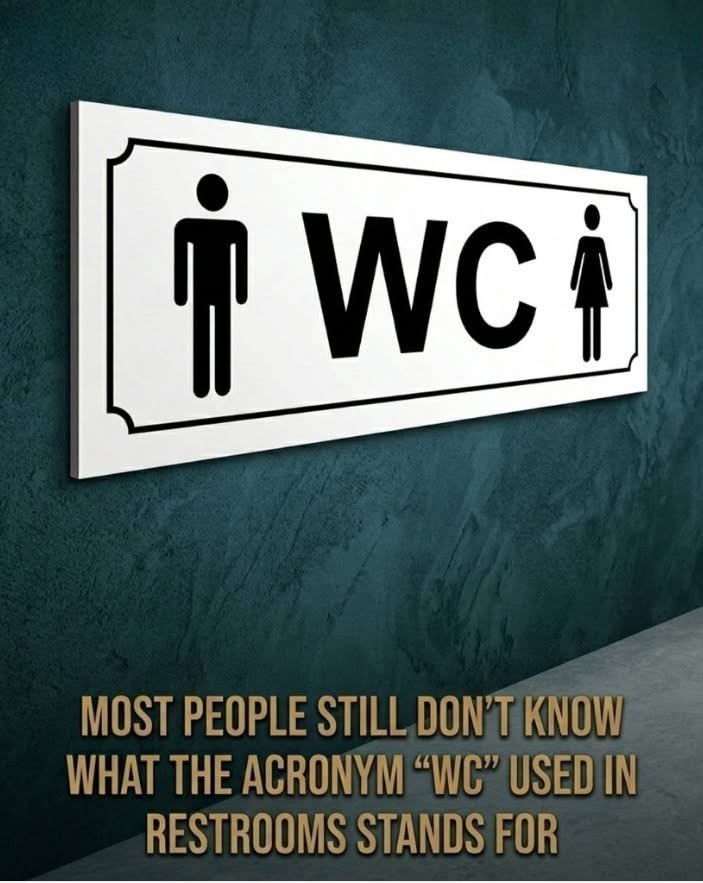
Different regions use different names. “WC,” short for “water closet,” is widely used in parts of Europe and elsewhere. “Loo” is an informal British term, although its precise origin remains uncertain. “Privy” traditionally described a private outdoor toilet, while “latrine” usually refers to a communal sanitation facility, particularly in institutions, camps, military settings, or areas without conventional indoor plumbing.
These terms are more than vocabulary differences. They reveal how toilets have shifted from being separate outdoor structures to being integrated elements of private homes, workplaces, transport hubs, schools, and public buildings.
Nineteenth-Century Plumbing and the Public Health Revolution
The nineteenth century brought some of the most consequential changes in the history of toilets. Industrialization contributed to rapid urban growth in Britain, Europe, North America, and other regions. As cities became more crowded, older waste-disposal methods became increasingly inadequate. Contaminated water and poor drainage were linked to repeated outbreaks of serious infectious diseases, including cholera.
Public-health reformers, engineers, physicians, and local governments began to argue for cleaner water supplies and better systems for removing wastewater. In London, physician John Snow’s investigation of the 1854 cholera outbreak near Broad Street became a landmark in the development of epidemiology. His work helped demonstrate that contaminated water could spread disease, challenging the dominant belief that illness was primarily caused by foul air alone.
At the same time, engineers developed expanded sewer networks and improved drainage systems. In London, the mid-nineteenth-century sewer works designed under engineer Joseph Bazalgette became a major example of urban sanitation infrastructure. These projects were costly and disruptive, but they helped establish a principle that remains central today: toilets are only one part of sanitation. Safe systems also require water supply, pipes, sewers or on-site containment, treatment, maintenance, and responsible disposal.
Manufacturers refined the toilet itself as well. In 1775, Scottish watchmaker Alexander Cumming received a patent for an S-shaped pipe beneath a toilet. The water held in this trap helped block sewer gases from entering rooms, an important concept in modern plumbing. During the nineteenth century, improved cisterns, valves, ceramic fixtures, and standardized pipework made water closets more practical and increasingly available to households with plumbing connections.
Bathrooms Become Private and Designed Spaces
By the twentieth century, bathrooms in many higher-income countries had become standard features of new homes. Indoor toilets, bathtubs, sinks, hot water systems, tiled surfaces, and ventilation changed expectations of domestic comfort. These advances also reduced the labor associated with carrying water, emptying chamber pots, or using outdoor facilities, although such improvements did not reach all households at the same pace.
Bathroom design gradually expanded beyond basic utility. Manufacturers and designers introduced fixtures in different colors, materials, and forms. In 1975, Italian designer Luigi Colani collaborated with Villeroy & Boch on bathroom products featuring rounded, organic shapes. Such work reflected a broader design trend: bathrooms could be places of comfort and personal care, not simply functional rooms hidden from view.
Contemporary bathrooms now incorporate accessibility, water efficiency, cleanliness, and energy use into their design. Features such as dual-flush toilets, low-flow fixtures, touch-free taps, bidet functions, grab bars, and improved ventilation can address different needs. Good design also considers people with disabilities, older adults, children, and anyone who may need safer, easier access to sanitation facilities.
Global Sanitation Challenges Today
Modern toilets and sewer systems are highly effective where they are properly built and maintained, but they are not universally available. According to the WHO and UNICEF Joint Monitoring Programme, billions of people still lack safely managed sanitation services. In many communities, households rely on shared toilets, pit latrines, septic systems, or facilities that may not safely contain and treat waste.
Open defecation remains a concern in some areas because it can contaminate land and water sources and increase the risk of disease transmission. The issue is not simply about installing a toilet. Sustainable progress requires affordable construction, safe emptying and transport services, wastewater treatment, water availability, hygiene education, and policies that include rural communities, informal settlements, schools, and healthcare facilities.
Climate change, flooding, drought, and population growth add further pressure to sanitation systems. Floods can damage latrines and overwhelm sewers, while water scarcity can make conventional flushing impractical. For this reason, engineers and public-health organizations are exploring low-water toilets, container-based sanitation, improved septic management, decentralized treatment, and systems that recover useful resources such as nutrients or energy from waste.
The Lasting Importance of Sanitation
The history of toilets is ultimately a story of public health and social progress. Ancient drains, Roman latrines, medieval privies, early water closets, Victorian sewers, and modern bathrooms all represent attempts to meet a universal human need. The most successful sanitation systems do more than move waste out of sight. They protect water, reduce health risks, support privacy and dignity, and make communities more resilient.
As technology evolves, the basic lesson remains the same: toilets work best as part of a complete sanitation system. Clean water, reliable infrastructure, thoughtful design, regular maintenance, and equitable access are all essential. Understanding this history offers a useful reminder that one of the most ordinary objects in everyday life has had an extraordinary role in shaping cities and improving human well-being.
Sources
- World Health Organization: Sanitation
- WHO/UNICEF Joint Monitoring Programme for Water Supply, Sanitation and Hygiene
- Encyclopaedia Britannica: Toilet
- Encyclopaedia Britannica: John Snow
- Museum of London: Collections and research on London’s sanitation history
- Villeroy & Boch: Company and design history
Disclaimer: This content is intended for entertainment purposes only and is not based on real events.