

Sebaceous Cysts: Causes, Symptoms, Home Care, and Medical Treatment
Sebaceous cysts are common skin lumps that develop beneath the surface of the skin. They are often found on the face, neck, scalp, upper back, chest, or other areas where hair follicles are present. In most cases, these lumps grow slowly, are noncancerous, and do not require treatment. However, they can sometimes become irritated, inflamed, painful, or infected, making professional medical assessment important.
The term “sebaceous cyst” is widely used in everyday conversation, but it is not always medically precise. Many lumps described this way are actually epidermoid cysts, which are filled with keratin, a protein naturally found in skin, hair, and nails. Another type, called a pilar cyst, commonly develops on the scalp and arises from hair follicles. A clinician can help distinguish between these conditions and other possible causes of a skin lump.
Understanding how skin cysts form, what symptoms require attention, and why home popping is unsafe can help people make informed decisions about skin care and medical treatment.
What Is a Sebaceous or Epidermoid Cyst?
An epidermoid cyst is a closed sac beneath the skin that contains keratin. Normally, skin cells shed from the body’s outer layer. When these cells move deeper into the skin rather than shedding normally, they can multiply within a small enclosed space. Keratin then accumulates gradually inside that sac, forming a rounded lump.
True sebaceous cysts are less common. They are associated with sebaceous glands, which produce sebum, an oily substance that helps protect and moisturize the skin. Because the names are often used interchangeably, a person may hear a healthcare professional refer to an “epidermoid cyst,” “epidermal inclusion cyst,” “pilar cyst,” or “skin cyst” instead of a sebaceous cyst.
These cysts can occur in adults of many ages. They may develop as a single lump or, less commonly, as multiple cysts. Most are benign, but any new, persistent, rapidly changing, or unusual growth should be evaluated by a qualified healthcare professional rather than self-diagnosed.
Common Causes and Risk Factors
Skin cysts do not always have a clear cause. In many cases, they appear without an obvious injury or trigger. Still, several factors can contribute to their development:
- Trapped skin cells: Cells from the outer layer of skin may become trapped below the surface and continue producing keratin.
- Damage to a hair follicle: An injured or blocked follicle can contribute to cyst formation, especially in areas with dense hair growth.
- Previous skin injury: Cuts, scratches, surgical wounds, acne-related inflammation, and other trauma can occasionally move surface cells into deeper tissue.
- Genetic factors: Some inherited conditions are associated with multiple cysts, although this is uncommon.
- Acne or chronic skin irritation: Repeated inflammation in the skin may increase the likelihood of certain cyst-like lesions.
It is important to note that cysts are not necessarily caused by poor hygiene. Washing the skin appropriately supports general skin health, but it cannot always prevent a cyst from developing. Likewise, a cyst is usually not contagious and cannot be passed from one person to another through ordinary contact.
What Does a Skin Cyst Look and Feel Like?
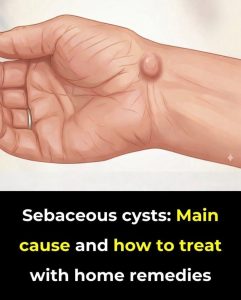
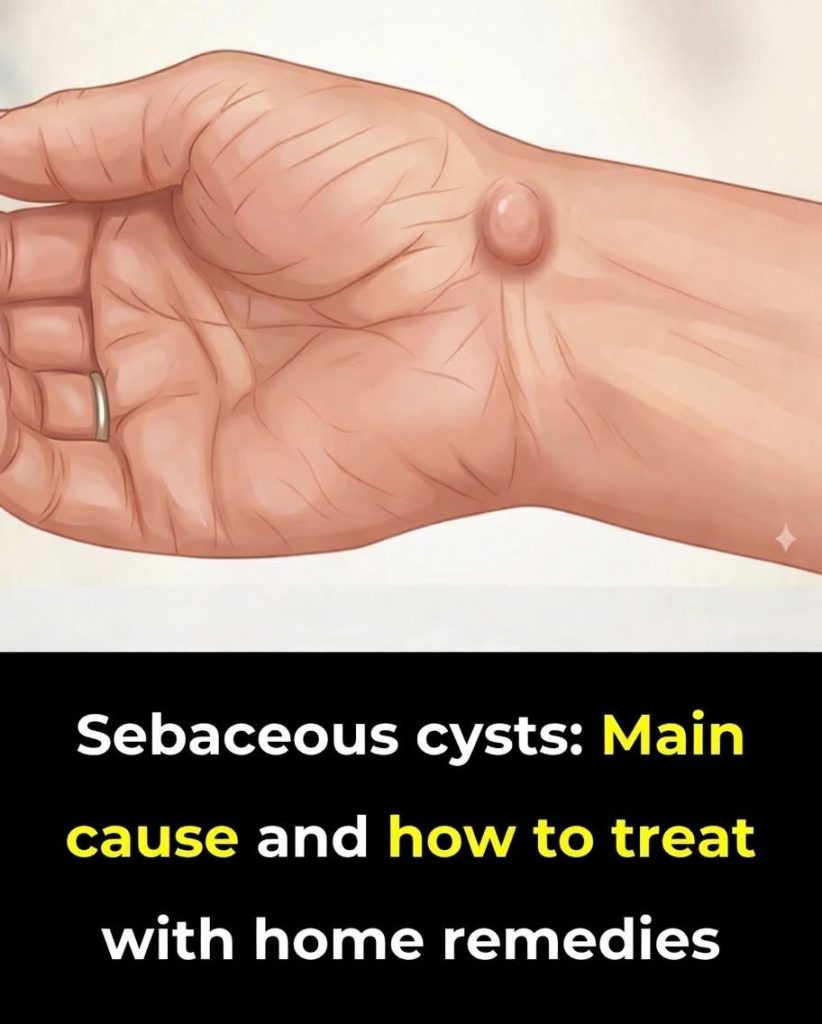
A typical epidermoid cyst is a small, round, dome-shaped bump under the skin. It may feel soft, rubbery, or firm. Many cysts move slightly when gently touched because they are located within the skin layers rather than attached deeply to muscle or bone.
Some epidermoid cysts have a small central opening, sometimes called a punctum. This can look like a tiny dark spot or pore at the surface. The lump may remain small for years, or it may slowly enlarge over time. Cysts vary in size, ranging from barely noticeable bumps to larger growths that create discomfort because of their location.
When a cyst is uncomplicated, it is often painless. If it becomes inflamed, ruptures, or develops an infection, symptoms can change. The surrounding skin may become red, warm, swollen, or tender. A cyst may also drain a thick, yellowish or whitish material with an unpleasant odor. These changes do not always mean a serious infection is present, but they warrant medical advice, especially when pain or redness is increasing.
Why It Is Important Not to Squeeze or Pop a Cyst
Trying to squeeze, puncture, cut, or “pop” a cyst at home is not recommended. Although pressure may release some of the material inside, the cyst wall or sac usually remains beneath the skin. As a result, the lump can refill or return later.
Home procedures can also introduce bacteria into the skin, increase inflammation, cause bleeding, and leave scarring. Forceful squeezing may push cyst contents into surrounding tissue, which can produce a stronger inflammatory response. In sensitive locations, including the face or scalp, attempting removal without sterile equipment can create unnecessary complications.
Licensed healthcare professionals use sterile techniques and can determine whether a lump should be monitored, drained, treated for infection, biopsied, or removed entirely. Complete surgical removal of the cyst wall is generally the most reliable way to prevent recurrence when treatment is needed.
Safe Home Care for Mild Discomfort
Most small, painless skin cysts can be left alone. If a cyst is mildly sore or irritated but does not have concerning symptoms, simple care may help improve comfort while the person arranges medical guidance if needed.
Use a Warm Compress
A clean warm compress may soothe tenderness and encourage natural drainage if a cyst is already close to the skin surface. Soak a clean cloth in comfortably warm water, wring it out, and place it gently over the area for approximately 10 to 15 minutes. This can be repeated several times each day. The compress should be warm, not hot, to avoid burns or further irritation.
Keep the Area Clean
Wash the surrounding skin gently with mild soap and water. Pat the area dry rather than rubbing it. If the cyst begins draining on its own, cover it with a clean bandage or gauze and change the dressing regularly. Avoid sharing towels or touching the area repeatedly with unwashed hands.
Reduce Friction and Pressure
Clothing, backpacks, helmets, shaving, and jewelry can irritate cysts depending on their location. Looser clothing and reduced friction may make the area more comfortable. Avoid applying harsh exfoliants, scrubs, or strong acne products directly over an irritated cyst unless a clinician has advised their use.
Do Natural Remedies Remove Sebaceous Cysts?
Natural skin products are often promoted online for cyst treatment, including aloe vera, tea tree oil, apple cider vinegar, castor oil, and various essential oils. However, reliable scientific evidence does not show that these remedies can remove the cyst sac or permanently eliminate an epidermoid cyst.
Aloe vera may feel soothing to some people when used on unbroken skin, but it is not a proven cyst treatment. Tea tree oil has antimicrobial properties in laboratory settings and may be included in some skin products, yet it can cause irritation or allergic contact dermatitis in some individuals. Essential oils should not be applied undiluted, and they should never be used on broken skin without medical guidance.
Products that sting, burn, or cause a rash can worsen an already inflamed area. People with sensitive skin, eczema, allergies, or a history of skin reactions should be particularly cautious. For a changing or painful lump, a medical examination is safer than relying on unverified home remedies.
When to See a Doctor About a Skin Lump
While many cysts are harmless, it is wise to seek medical advice for a new lump or any lump that changes. A doctor, dermatologist, or other qualified clinician can often identify a common cyst through a physical examination. In certain situations, imaging, a biopsy, or referral to a specialist may be appropriate.
Arrange prompt medical assessment if a skin cyst:
- Becomes painful, hot, red, or increasingly swollen
- Grows quickly or changes noticeably in shape, color, or texture
- Drains pus, blood, or persistent fluid
- Causes fever or a general feeling of illness
- Interferes with movement, sleep, vision, grooming, or daily activities
- Returns repeatedly after previous drainage or treatment
- Occurs in an unusual location or feels fixed in place
- Is difficult to identify or causes concern for any reason
These symptoms do not automatically mean a serious condition is present. However, they are reasons not to delay professional evaluation. Early assessment can help manage inflammation, reduce discomfort, and rule out other types of skin growths.
Medical Treatment Options for Sebaceous Cysts
Treatment depends on the cyst’s appearance, location, symptoms, and whether infection or inflammation is suspected. If the cyst is small and not bothersome, a clinician may recommend watchful waiting. Many uncomplicated cysts do not need medication or surgery.
Drainage
If a cyst is painful, significantly swollen, or filled with fluid, a clinician may make a small opening to drain its contents. Drainage can relieve pressure and discomfort. However, because the cyst lining may remain, drainage alone does not always prevent recurrence.
Managing Inflammation or Infection
Inflamed cysts are not always infected. A clinician may recommend measures to reduce inflammation and may decide whether antibiotics are necessary. Antibiotics are generally used when there is evidence of bacterial infection, not simply because a cyst is red or tender. This distinction supports appropriate antibiotic use and helps avoid unnecessary medication.
Surgical Excision
For a cyst that repeatedly returns, causes discomfort, becomes infected, or is cosmetically troubling, minor surgical excision may be offered. This outpatient procedure typically involves local anesthetic. The clinician removes the cyst and its sac through a small incision, then closes the site when necessary. Removing the entire lining lowers the chance that the cyst will come back.
As with any procedure, there can be risks such as scarring, bleeding, infection, or recurrence. A healthcare professional can explain the expected recovery process and provide wound-care instructions tailored to the location and size of the cyst.
How to Protect Skin Health
There is no guaranteed way to prevent every epidermoid or pilar cyst. Still, practical skin care may reduce avoidable irritation. Cleanse gently, avoid picking at acne or skin lesions, use clean shaving tools, and protect healing wounds from friction and contamination. People who experience frequent acne, recurring bumps, or multiple cysts may benefit from a dermatology consultation.
Most importantly, do not assume that every lump is a cyst. Skin conditions can look similar to one another, and a professional examination provides the most reliable answer. Monitoring a stable, painless cyst may be reasonable, but changes in size, pain, drainage, or appearance should be taken seriously.
Key Takeaways
Sebaceous cysts, often more accurately called epidermoid cysts, are usually harmless lumps formed beneath the skin. They may develop when skin cells become trapped and keratin accumulates inside a small sac. Many need no treatment, but a warm compress and gentle skin care can ease mild discomfort. Squeezing or puncturing a cyst at home can lead to inflammation, infection, and scarring.
A clinician should assess painful, red, rapidly growing, draining, recurring, or unfamiliar lumps. When treatment is needed, options may include drainage, management of inflammation or infection, and minor surgery to remove the cyst wall. Professional guidance remains the safest way to manage a persistent or concerning skin growth.
Sources
Disclaimer: This content is intended for entertainment purposes only and is not based on real events.