
Robby Benson: From 1970s Screen Star to the Voice of Disney’s Beast
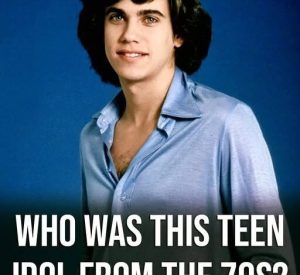
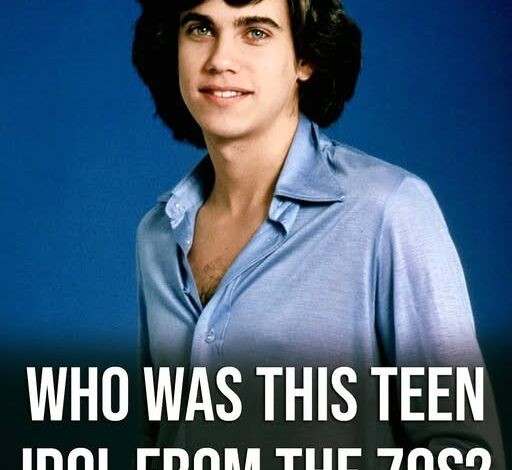
Robby Benson became one of the most recognizable young actors of the 1970s, admired for his expressive performances, dark hair, and distinctive blue eyes. His work in films including Ode to Billy Joe, One on One, Ice Castles, and The Chosen made him a familiar face to a generation of moviegoers. Yet Benson’s career has never been limited to his years as a screen idol.
Over several decades, he has worked as an actor, director, songwriter, voice performer, author, and university educator. He is also widely known as the voice of the Beast in Disney’s acclaimed 1991 animated film Beauty and the Beast. Alongside his professional achievements, Benson has spoken publicly about living with congenital heart disease and undergoing multiple heart surgeries, using his experience to encourage awareness of cardiovascular health and the importance of medical care.
His story reflects the changing nature of a long career in entertainment: an early rise to fame, a transition into creative work behind the camera and in the classroom, and an enduring connection with audiences through one of Disney’s most beloved characters.
Robby Benson’s Early Life and Entry Into Entertainment
Robby Benson was born Robin David Segal on January 21, 1956, in Dallas, Texas. He grew up in a family connected to the performing arts. His father, Jerry Segal, worked as a writer, while his mother, Ann Benson, was a singer and actress. Benson adopted his mother’s surname professionally when he began working as a child.
His introduction to show business came early. As a young performer, he appeared in commercials, television productions, and theater. He also developed an interest in musical performance, which would remain a significant part of his creative identity. By the time he reached his teenage years, Benson had accumulated experience in television and onstage work that helped prepare him for film roles.
His early credits included appearances on the long-running daytime drama Search for Tomorrow. Like many young actors of the period, Benson built his reputation gradually through auditions, supporting work, and stage experience before becoming associated with major studio films.
Becoming a Prominent Film Actor in the 1970s
Benson’s breakout period arrived during the 1970s, when he appeared in several films that connected with young audiences. In 1976, he starred in Ode to Billy Joe, a drama inspired by Bobbie Gentry’s popular song of the same name. The film was a commercial success and helped establish Benson as a leading actor.
He followed that success with One on One in 1977, a sports drama in which he played a gifted basketball player navigating college athletics and the pressures surrounding success. Benson also co-wrote the film, demonstrating early interest in shaping projects beyond his on-screen performance.
In 1978, he appeared opposite Lynn-Holly Johnson in Ice Castles, a romantic drama centered on a young figure skater facing a life-changing challenge. The film became especially memorable for its emotional story and its music, including the Oscar-nominated song “Through the Eyes of Love.” Benson’s role as the supportive boyfriend made him particularly popular with younger viewers.
His credits from this era also included The Chosen, adapted from Chaim Potok’s novel. The 1981 film explored friendship, faith, family expectations, and identity within Jewish communities in 1940s New York. Benson’s work in the film showed a more dramatic and introspective side than the romantic roles for which he was often known.
Looking back on his early career, Benson has described his time as a young actor with appreciation. In interviews, he has acknowledged that the entertainment industry has changed substantially, particularly in the way it handles young performers. His own career, however, gave him opportunities to work in film, television, theater, and music at an unusually early age.
Transitioning Beyond Teen Idol Roles
As Benson moved into adulthood, he continued acting while also exploring writing, directing, and music. Like many performers who become famous at a young age, he faced the challenge of being associated with a particular public image. Rather than remaining limited to the roles that made him famous, he pursued a broader creative path.
His later screen work included projects such as Running Brave, in which he portrayed Olympic gold medalist Billy Mills. The film drew attention to Mills’ historic victory in the 10,000-meter race at the 1964 Tokyo Olympics. Benson’s involvement in the project reflected his interest in stories about perseverance and personal achievement.
He also directed television episodes and worked on films and other creative projects behind the scenes. While some audiences primarily remember Benson as a 1970s movie star, his professional life expanded considerably beyond that period. His career became less centered on celebrity and more focused on artistic collaboration, teaching, and storytelling.
The Voice of the Beast in Disney’s Beauty and the Beast
For many viewers, Robby Benson’s most enduring role is one they may not immediately connect with his on-screen appearance. In Disney’s 1991 animated classic Beauty and the Beast, Benson provided the speaking and singing voice of the Beast.
The film was a major milestone for Disney animation. Directed by Gary Trousdale and Kirk Wise, it received widespread critical acclaim and became the first animated feature nominated for the Academy Award for Best Picture. Its score and songs, written by Alan Menken with lyrics by Howard Ashman, became central to the film’s legacy.
Benson approached the Beast as an emotionally complex character rather than simply a frightening animated figure. The character begins the story isolated, angry, and ashamed, but changes through his relationship with Belle. Benson’s vocal performance helped convey that gradual transformation, balancing intensity, vulnerability, humor, and tenderness.
In interviews, Benson has said that Disney gave him room to treat the role with theatrical seriousness. His background in stage performance informed his approach, particularly in the musical elements of the film. The Beast’s songs, including “Something There,” “Human Again” in later versions, and the climactic finale, rely on a voice that can communicate both power and emotional uncertainty.
The continuing popularity of Beauty and the Beast has kept Benson connected to the character for decades. He has reprised the role in related Disney productions, video games, and special appearances. The film has also been adapted into successful stage productions around the world, confirming its long-term cultural influence.
Living With Congenital Heart Disease
Beyond his professional accomplishments, Benson has spoken candidly about his experiences with heart disease. He was born with a congenital heart condition involving a heart valve. Although he knew of a heart murmur from an early age, more serious symptoms became apparent as he grew older.
According to Benson’s public accounts, he initially hesitated to discuss his health concerns openly because he feared that a serious medical diagnosis could affect his career. At the time, actors often faced substantial pressure to appear consistently healthy, available, and reliable to studios and producers. That concern led him to minimize symptoms including fatigue and dizziness.
Eventually, his condition required major medical intervention. Benson underwent open-heart surgery in 1984 to address his valve problem. In later years, he had additional heart surgeries as the earlier valve treatment required replacement and further care. He has described the physical and emotional strain of managing recurring medical issues while sustaining a career and family life.
His experience underscores an important public-health lesson: symptoms such as fainting, shortness of breath, chest discomfort, unusual fatigue, or persistent dizziness should be evaluated by qualified medical professionals. The precise causes of these symptoms vary widely, and only a clinician can provide an appropriate diagnosis and treatment plan.
Medical organizations including the American Heart Association and the Mayo Clinic stress that people with known valve disease or congenital heart conditions should maintain regular follow-up care. Modern treatments for heart valve disorders can include medication, monitoring, minimally invasive procedures, and surgery, depending on the individual patient’s condition.
Benson has used his public platform to encourage people not to ignore health concerns. His openness is especially meaningful because it contrasts with the fear and privacy that surrounded his early diagnosis. By discussing his surgeries and recovery, he has helped normalize conversations about chronic illness, cardiac care, and the importance of support from loved ones.
Marriage, Family, and Support During Recovery
Benson married singer and actress Karla DeVito in 1982. DeVito is known for her work as a recording artist and for collaborations in rock music. The couple met through the entertainment world and went on to build a long-lasting marriage while raising their children, daughter Lyric and son Zephyr.
In public interviews, Benson has credited DeVito with playing an essential role during his health challenges. He has spoken about her help in finding medical specialists, managing treatment decisions, and providing steady support through difficult periods. His comments highlight the important role that family members and caregivers can play for people facing major medical procedures.
The couple has also shared personal milestones with fans over the years, including their anniversary celebrations and the arrival of grandchildren. While Benson’s early fame often focused public attention on his appearance and romantic film roles, his later reflections have emphasized family, gratitude, and the value of long-term relationships.
Robby Benson’s Work as an Educator and Author
Robby Benson’s career has included an important chapter in education. He taught film and media-related subjects at university level, sharing practical experience from acting, directing, and production with students interested in the entertainment industry. His academic work included teaching at institutions such as the University of California, Los Angeles, and Indiana University.
At Indiana University, Benson served as a professor in the Department of Telecommunications, later known as part of the university’s Media School. He eventually retired from teaching, but his work in higher education demonstrated a commitment to mentoring emerging filmmakers and storytellers.
He has also written books, including a memoir that discusses his life, career, and health experiences. Through writing and teaching, Benson has been able to speak more directly about the realities behind a public career: the uncertainty of the entertainment business, the effort involved in creative work, and the importance of resilience.
Later Acting Roles and Continuing Legacy
Although Benson stepped away from the intense visibility of his early film years, he has continued to appear in selected projects. His later credits include television movies and independent productions, where he has often taken on character roles that differ from the youthful leads of his earlier career.
His role in the Hallmark Channel film A Feeling of Home gave him the opportunity to portray a father navigating family relationships. In discussing the project, Benson emphasized the importance of open communication between parents and adult children, a theme that aligns with his public focus on family and emotional connection.
Today, Benson remains a distinctive figure in American popular culture for several reasons. For one generation, he is the romantic lead from Ice Castles and One on One. For Disney fans, he is the voice behind the Beast, one of animation’s most memorable characters. For students and colleagues, he is an educator and creative mentor. And for people affected by heart disease, he is a public figure who has shared a deeply personal health journey with honesty.
Why Robby Benson’s Story Continues to Resonate
Robby Benson’s life illustrates that public careers are rarely as simple as they appear from the outside. His early stardom brought recognition, but it also came with expectations and pressure. His later work showed that artists can evolve, moving between acting, voice performance, writing, directing, and teaching.
His willingness to discuss congenital heart disease has added another meaningful dimension to his legacy. Rather than presenting recovery as effortless, Benson has acknowledged the ongoing nature of managing serious health issues. That perspective is valuable because it emphasizes the realities of long-term care, informed medical decisions, and the support of family and healthcare professionals.
From the movie theaters of the 1970s to the animated world of Disney and the university classroom, Benson’s work has reached audiences in many forms. His career remains a reminder that creative success can take different shapes over time—and that resilience, curiosity, and connection can be as lasting as fame.
Sources
Disclaimer: This content is intended for entertainment purposes only and is not based on real events.