


Keith Edmonds’ Story of Survival, Recovery and Sobriety
Keith Edmonds’ life story, as described in the account provided, is one of survival, long-term recovery, and the difficult work of rebuilding a life after childhood trauma. His experience also highlights broader issues that affect many survivors of serious injuries and adverse childhood experiences: access to specialist medical care, the emotional impact of visible injuries, the importance of stable support systems, and the possibility of recovery from substance use disorder.
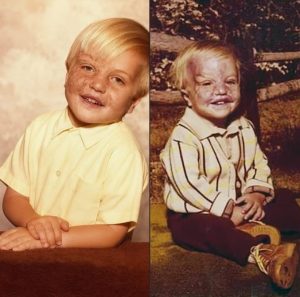
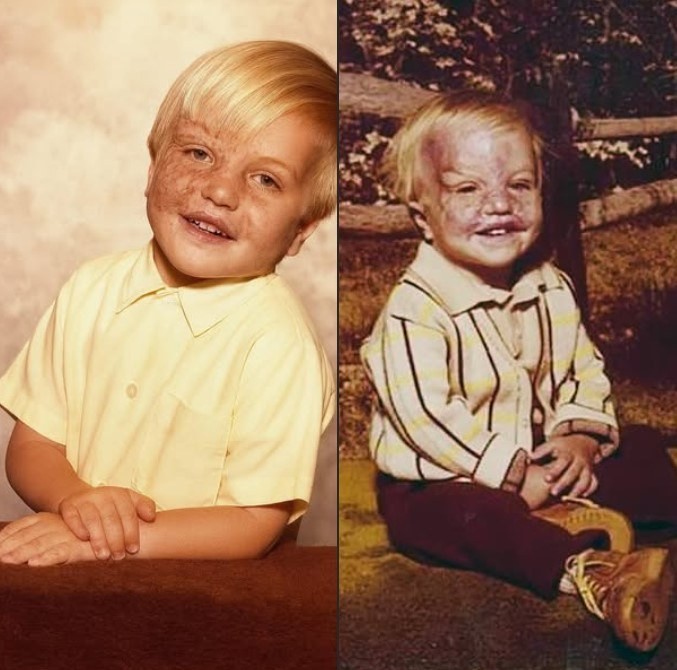
On November 18, 1978, when Edmonds was 14 months old and living in Flint, Michigan, he reportedly sustained severe facial burns after an incident involving his mother’s boyfriend. The draft account states that medical professionals were initially deeply concerned about his chances of surviving. He ultimately survived the injury, beginning a medical journey that would continue for years.
Stories involving childhood injury and abuse require care and restraint. Behind the headlines or individual details are people whose lives can be shaped by trauma long after an immediate medical emergency ends. Edmonds’ reported path illustrates that survival is not a single event. It can involve hospital treatment, reconstructive care, emotional adjustment, family disruption, stigma, and the ongoing search for stability.
Early Medical Care and Long-Term Burn Recovery
According to the supplied account, Edmonds spent approximately a month in hospital after the injury. He later received reconstructive treatment at the Shriners Burn Institute in Cincinnati, where surgeons and other specialists worked to improve function and appearance over a number of years.
Severe burns can require highly specialized, long-term care. The American Burn Association explains that burn treatment may involve emergency stabilization, wound care, surgery, rehabilitation, pain management, and psychological support. For young children, medical teams must also consider how growth can affect scar tissue, movement, and future reconstructive needs. Recovery is often a process rather than a fixed endpoint.
Burn centers commonly bring together surgeons, nurses, physical and occupational therapists, mental-health professionals, social workers, and rehabilitation specialists. This multidisciplinary approach recognizes that injuries affecting the skin and face can influence everyday activities, communication, self-image, social confidence, and family life. Access to ongoing care can make a meaningful difference for survivors as they move from childhood into adolescence and adulthood.
The account of Edmonds’ childhood describes years of procedures intended to help him achieve a more typical appearance. While reconstructive surgery can be important, modern burn care also emphasizes that a person’s worth and identity are not defined by scars or by the circumstances of an injury. Supportive care seeks to improve health and independence while respecting each survivor’s individual goals.
The Emotional Effects of Childhood Trauma
Physical recovery does not erase the emotional consequences of a traumatic event. The draft states that Edmonds entered foster care after his injury and later experienced bullying and isolation. Those experiences, if accurately reported, reflect challenges that many young survivors face when they must cope with changes in family relationships, repeated medical appointments, and negative reactions from peers.
Research and public-health guidance consistently show that adverse childhood experiences can have lasting effects on health and well-being. The U.S. Centers for Disease Control and Prevention notes that childhood adversity may be associated with increased risks of mental-health difficulties, harmful substance use, and other challenges later in life. These outcomes are not inevitable. Protective relationships, trauma-informed care, access to counseling, and supportive communities can help people develop resilience.
Bullying can be especially harmful for children who look, speak, move, or live differently from their peers. Schools, families, healthcare providers, and youth organizations all have roles in creating environments where children are treated with dignity. Anti-bullying efforts are most effective when they do more than punish bad behavior; they also build empathy, encourage reporting, and ensure that children who are targeted receive meaningful support.
It is also important to avoid reducing a survivor’s identity to trauma. A person may have experienced serious hardship while also being a friend, parent, worker, advocate, student, neighbor, or mentor. Respectful reporting recognizes both the reality of harm and the full humanity of the individual who lived through it.
Substance Use, Depression and the Search for Relief
The account provided says Edmonds began drinking alcohol at age 13 and lived with alcohol misuse, depression, and legal difficulties for more than two decades. These claims should be understood as part of the personal account in the original draft. They also point to a wider public-health issue: some people use alcohol or drugs in an attempt to manage painful emotions, trauma symptoms, loneliness, or stress.
Health experts describe substance use disorder as a medical condition, not a moral failing. The National Institute on Alcohol Abuse and Alcoholism explains that alcohol use disorder can affect a person’s ability to control or stop drinking despite negative consequences. Treatment can include behavioral therapies, mutual-support groups, medications prescribed by qualified clinicians, treatment for co-occurring mental-health conditions, and continuing recovery support.
Depression and substance use can occur together, which is why integrated care is often important. Someone seeking help may benefit from a clinician who can assess both mental health and substance use rather than treating them as unrelated concerns. For people with a history of trauma, trauma-informed services can be particularly valuable because they aim to promote safety, trust, choice, collaboration, and empowerment.
Recovery does not follow one timeline. Some people begin treatment after a crisis, while others seek help following a conversation with a family member, a medical appointment, or a personal realization. Setbacks can happen, but they do not mean recovery is impossible. Public-health organizations encourage people to seek evidence-based support and to speak with healthcare professionals when alcohol, drugs, depression, or trauma-related symptoms are affecting daily life.
A Reported Turning Point at Age 35
According to the original draft, Edmonds experienced a turning point on his 35th birthday in 2012. During a period of heavy drinking, he reportedly decided that he wanted to change his life and pursue sobriety. Personal turning points can be powerful, but lasting change often depends on practical support as well as determination.
For many people, beginning recovery means taking small, concrete steps: contacting a treatment provider, attending a support meeting, speaking honestly with a trusted person, removing alcohol from the home, or creating a plan for difficult moments. Others may need medically supervised withdrawal management, particularly if they have been drinking heavily or regularly. A doctor or addiction specialist can help determine the safest approach.
The concept of recovery is broader than simply stopping alcohol or drug use. The Substance Abuse and Mental Health Services Administration describes recovery as a process of change through which people improve health and wellness, live self-directed lives, and work toward their full potential. This perspective recognizes that housing, employment, relationships, healthcare, community connection, and self-respect can all matter.
For survivors of childhood trauma, sobriety may also bring difficult emotions to the surface. This is one reason professional counseling and peer support can be important. Recovery can create space for someone to understand their past without allowing it to determine every aspect of their future.
Why Stories of Recovery Matter
Keith Edmonds’ reported journey is not a simple story of adversity followed by an easy resolution. It is a reminder that serious childhood injuries and trauma can have consequences that unfold over decades. At the same time, it demonstrates why continued access to healthcare, mental-health services, addiction treatment, and compassionate social support matters.
Public discussion of survival should avoid sensationalizing pain or treating a person’s history as entertainment. The more constructive lesson is that people can seek help, build new habits, and create meaningful lives even after prolonged difficulty. Recovery may include medical treatment, emotional healing, repairing relationships, education, work, advocacy, spirituality, or helping others. It looks different for every individual.
Communities also have a responsibility. Preventing child maltreatment, supporting foster families, funding burn care and rehabilitation, reducing stigma around visible differences, and expanding access to mental-health and substance-use treatment are not separate concerns. They are connected parts of a broader effort to protect children and help adults heal.
For readers who recognize elements of their own experience in this account, confidential help is available. In the United States, the 988 Suicide & Crisis Lifeline provides support for people in emotional distress, while SAMHSA’s National Helpline can help people locate treatment and recovery services for mental health or substance use. In an immediate emergency, people should contact local emergency services.
Resilience Requires Support, Not Silence
Resilience is sometimes described as an individual trait, but it is more accurately understood as something supported by relationships, resources, and opportunities. A child recovering from a serious injury needs skilled medical care. A teenager facing bullying needs adults who listen and act. An adult struggling with alcohol needs access to respectful, evidence-based treatment rather than shame.
The account of Keith Edmonds emphasizes the value of choosing a different path after years of hardship. His reported decision to become sober in adulthood reflects a message shared by recovery advocates and healthcare professionals: it is possible to ask for help, and it is never too late to begin making changes.
Sources
Disclaimer: This content is intended for entertainment purposes only and is not based on real events.