
Oregano Benefits: What Science Says About This Mediterranean Herb
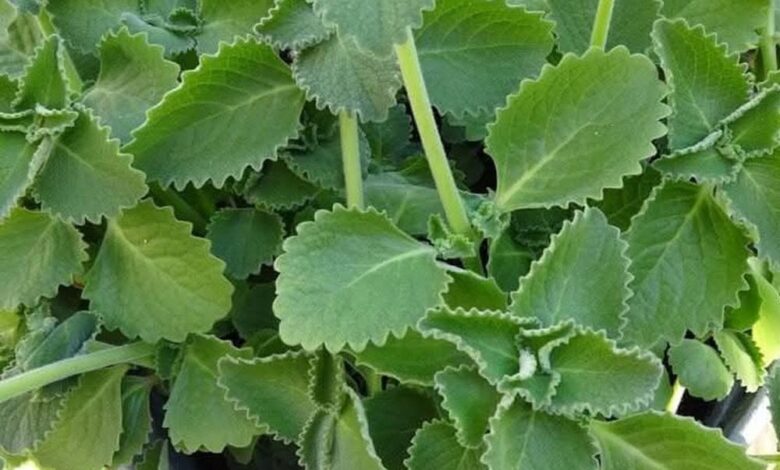
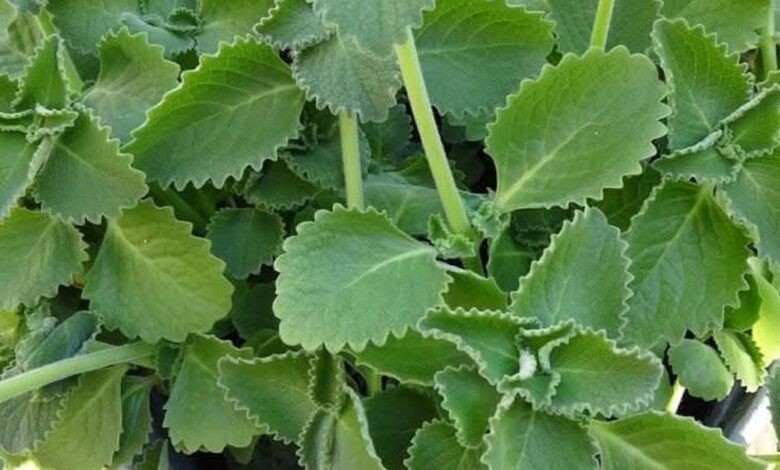
Oregano is widely known as a fragrant seasoning for pizza, pasta sauces, roasted vegetables, and Mediterranean dishes. However, this familiar herb has also drawn scientific interest because it contains naturally occurring plant compounds with antioxidant and antimicrobial activity. Oregano belongs to the mint family, known botanically as Lamiaceae, and it has a long history of use in traditional food preparation and herbal practices across the Mediterranean region.
Research into oregano benefits is ongoing. Studies have examined oregano leaves, extracts, and essential oil in laboratory settings, animal models, and a smaller number of human studies. The results are often promising, but it is important to distinguish between evidence from test tubes and evidence from well-designed clinical trials in people. Oregano can be a nutritious, flavorful part of a balanced diet, yet it should not be viewed as a replacement for prescribed medical care, vaccination, antibiotics, or other evidence-based treatment.
What Gives Oregano Its Distinctive Properties?
The health-related interest in oregano centers on its phytochemicals, which are naturally occurring compounds made by plants. Two of the most frequently studied are carvacrol and thymol. These substances contribute to oregano’s characteristic aroma and are found in varying amounts depending on the species, growing conditions, harvest timing, and preparation method.
Oregano also contains polyphenols and other antioxidant compounds. Antioxidants can help limit oxidative reactions in laboratory experiments, but a food’s antioxidant capacity in a test tube does not directly prove that it prevents disease in humans. Human health depends on the overall pattern of diet, physical activity, sleep, genetics, environmental exposures, and access to healthcare—not on a single herb or supplement.
Fresh and dried oregano are generally used in small culinary quantities. Oregano essential oil is far more concentrated and is not equivalent to adding dried oregano to food. This difference is especially important when considering safety, possible side effects, and claims about therapeutic use.
Oregano and Antioxidant Activity
Oregano is a source of phenolic compounds, including carvacrol, thymol, and rosmarinic acid. In laboratory testing, these compounds can neutralize or reduce certain unstable molecules commonly called free radicals. Oxidative stress is associated with many chronic conditions, including cardiovascular disease, but association does not mean that a particular antioxidant supplement or herb will prevent those conditions.
Adding herbs and spices such as oregano to meals can be a practical way to increase flavor without relying heavily on salt, sugar, or saturated-fat-rich sauces. That may support healthier eating patterns when oregano is used as part of meals rich in vegetables, legumes, whole grains, fruit, nuts, and lean protein sources. The strongest evidence for disease prevention continues to favor overall dietary patterns rather than isolated ingredients.
For example, Mediterranean-style eating patterns, which often include herbs, olive oil, vegetables, beans, fish, and whole grains, have been studied extensively for their relationship to heart health. Oregano may contribute flavor and plant compounds within such a pattern, but it should not be credited as a standalone preventive treatment.
What Laboratory Studies Say About Antimicrobial Effects
Oregano oil and its components have shown antimicrobial activity in laboratory studies. Researchers have tested carvacrol and thymol against a variety of microorganisms, including some bacteria that can cause foodborne illness. These findings are relevant to food science and may help researchers understand how plant-derived compounds could be used in food preservation or future product development.
However, laboratory activity does not establish that oregano oil can safely or effectively treat an infection in a person. A substance that slows bacterial growth in a petri dish may behave very differently inside the body, where absorption, metabolism, dosage, tissue exposure, and potential toxicity all matter. There is also no reliable evidence that oregano oil can replace antibiotics for bacterial infections.
People with symptoms of a potentially serious infection—such as persistent high fever, shortness of breath, severe pain, dehydration, confusion, or worsening symptoms—should seek medical advice promptly. Delaying appropriate treatment in favor of herbal remedies can lead to preventable complications.
Inflammation Research and Its Limitations
Inflammation is a normal part of the body’s immune response. It helps the body respond to injury and infection. Chronic or poorly regulated inflammation, however, is associated with a range of health conditions. In animal and laboratory research, carvacrol and related oregano compounds have demonstrated effects on inflammatory signaling pathways.
These findings are scientifically interesting, but they do not prove that eating oregano or taking oregano products will treat inflammatory diseases in humans. Conditions such as inflammatory bowel disease, rheumatoid arthritis, asthma, and autoimmune disorders need individualized assessment and evidence-based medical care. Anyone considering supplements while managing these conditions should discuss them with a qualified healthcare professional, particularly because supplements can interact with medicines or cause adverse effects.
Can Oregano Support the Immune System?
Oregano is sometimes marketed as an immune-supporting herb, often because carvacrol and thymol have shown antiviral or antimicrobial activity under laboratory conditions. Some experiments have examined their effects against specific viruses in cultured cells. These early results cannot be interpreted as proof that oregano prevents or treats viral illnesses in people.
There is no strong clinical evidence that oregano oil prevents colds, influenza, COVID-19, or other common viral infections. Public health measures with established benefits include staying up to date with recommended vaccines, washing hands, improving ventilation where appropriate, resting when ill, and seeking professional care when symptoms are severe or persistent.
A balanced diet can support normal immune function by providing adequate protein, vitamins, minerals, and fiber. Oregano can be included as one flavorful component of that diet, but no herb can guarantee protection from infection.
Oregano, Cancer Research, and Responsible Health Claims
Studies of oregano extracts and isolated compounds have reported effects on cancer cells in laboratory settings. Researchers may observe changes in cell growth, signaling, or survival when concentrated substances are applied directly to cells. Animal studies have also explored potential biological mechanisms. These studies can help identify questions for future research, but they are not evidence of an effective cancer treatment.
Cancer is not one disease, and results from cell or animal experiments frequently do not translate into safe, effective treatments for humans. No reputable cancer organization recommends oregano oil, oregano extract, or culinary oregano as a cure for cancer. People affected by cancer should speak with their oncology team before using any herbal product, especially during chemotherapy, radiation therapy, surgery preparation, or treatment with targeted medicines.
Nutrition can still play an important supportive role during and after cancer treatment. Registered dietitians and oncology care teams can provide advice tailored to a person’s diagnosis, treatment plan, appetite, weight changes, and medication needs.
Potential Role in Heart-Healthy Eating
Some preliminary research has explored whether oregano compounds influence cholesterol, blood sugar, blood pressure, or oxidative stress. At present, evidence from human clinical trials is insufficient to conclude that oregano lowers LDL cholesterol or prevents heart disease.
That said, oregano can be useful in heart-conscious cooking. Its strong flavor can enhance vegetables, beans, fish, poultry, tomato-based sauces, and whole-grain dishes. Replacing some salt-heavy seasoning blends with herbs and spices may help some people reduce sodium intake, an important consideration for blood pressure management.
For proven cardiovascular risk reduction, major health organizations emphasize steps such as avoiding tobacco, maintaining regular physical activity, managing blood pressure and cholesterol with professional guidance, sleeping adequately, and following a balanced eating pattern. Medication should not be stopped or adjusted based on claims about herbs or supplements.
Digestive Uses in Traditional Practice
Oregano has traditionally been used in teas and foods for digestive comfort. Its aroma and taste can make meals more appealing, and culinary herbs may be easier for some people to tolerate than heavily processed sauces or rich seasonings. Nevertheless, high-quality evidence that oregano reliably treats indigestion, bloating, abdominal pain, or changes in gut bacteria is limited.
Digestive symptoms have many possible causes, including food intolerance, reflux, infection, medication effects, irritable bowel syndrome, gallbladder disease, and inflammatory conditions. Frequent or severe symptoms deserve medical evaluation, especially when they occur with unexplained weight loss, bleeding, vomiting, fever, difficulty swallowing, or ongoing changes in bowel habits.
Respiratory Claims Need Careful Interpretation
Oregano is often included in herbal teas, lozenges, and syrups marketed for coughs or congestion. Warm fluids may soothe the throat, and steam or hydration can provide comfort during mild upper respiratory illnesses. However, there is not enough robust evidence to conclude that oregano oil safely treats sinus infections, bronchitis, chronic sinus disease, or other respiratory conditions.
Essential oils should not be put into the nose, swallowed undiluted, or inhaled in concentrated form without medical guidance. These practices can irritate sensitive tissues and may be unsafe, particularly for children, pregnant people, older adults, and people with asthma or allergies. A persistent cough, chest pain, breathing difficulty, or symptoms that worsen after initial improvement should be assessed by a healthcare professional.
How to Use Oregano in Everyday Meals
For most people, culinary use is the simplest and safest way to enjoy oregano. Fresh oregano has a bright, slightly peppery flavor, while dried oregano is more concentrated and works well in slow-cooked dishes. It can be added to tomato sauces, lentil soup, bean salads, roasted potatoes, grilled vegetables, marinades, salad dressings, and egg dishes.
Try pairing oregano with garlic, lemon, olive oil, basil, parsley, black pepper, or thyme. Adding dried oregano early in cooking allows its flavor to develop, while fresh leaves are often best added toward the end. Herbs can make nutrient-dense foods more enjoyable and may help people maintain a varied diet over time.
Oregano Oil Safety and Supplement Precautions
Oregano essential oil is highly concentrated. It can cause mouth, throat, stomach, or skin irritation and may trigger allergic reactions in sensitive individuals. It should not be treated as a harmless natural remedy simply because it comes from a plant. “Natural” does not always mean safe at high doses or in concentrated forms.
Pregnant or breastfeeding people, children, and people with allergies to plants in the mint family should seek professional advice before using oregano supplements or essential oil products. People taking blood thinners, diabetes medicines, or other regular medications should also ask a pharmacist or clinician about possible interactions. Dietary supplements are not reviewed in the same way as prescription medicines before they reach consumers, and product quality can vary.
The Bottom Line on Oregano Benefits
Oregano is a flavorful Mediterranean herb that contains plant compounds with antioxidant and antimicrobial activity in laboratory research. It can be a valuable addition to balanced, lower-sodium cooking and may contribute to an overall healthy dietary pattern. At the same time, many dramatic claims about oregano oil, infections, cancer, cholesterol, inflammation, and respiratory illness go beyond the available human evidence.
The most responsible approach is to enjoy oregano as a culinary herb, remain cautious about concentrated oils and supplements, and rely on qualified healthcare professionals for diagnosis and treatment. Continued research may clarify whether specific oregano-derived compounds have future therapeutic uses, but current evidence supports moderation, context, and realistic expectations.
Sources
- National Center for Complementary and Integrative Health (NCCIH): Herbs at a Glance
- CDC: Antibiotic Use and Antimicrobial Resistance
- World Health Organization: Antimicrobial Resistance
- National Cancer Institute: Complementary and Alternative Medicine in Cancer Care
- American Heart Association: Healthy Eating
- Mayo Clinic: Drugs, Supplements and Herbs
Disclaimer: This content is intended for entertainment purposes only and is not based on real events.